Reviewed · MUSCAT TOURS
5-Days Private Oman Tour from Muscat
Oman packs an astonishing range of scenery into five days: a turquoise canyon pool at Wadi Shab, turtle-watching on the coast, orange dunes at Wahiba Sands, and the huge drop of Wadi Ghul near Jebel Shams. This private tour gives you a capable 4WD, an English-speaking Omani guide, and a route that links the country’s best natural and historic sights.
I like the private format, since your group can set the pace instead of following a large coach. I also like the practical value: four nights, four breakfasts, four dinners, bottled water, and several entry fees are included. Guides such as Khalfan, Yahya al Jabri, and Hussein Al Hamdani have been praised for friendly service, safe driving, and strong local knowledge.
The main drawback is the pace. You cover a lot of ground in five days, and some days combine long drives with hikes, swims, forts, villages, and mountain viewpoints. Lunches are not included, and Ramadan can affect restaurant and drink availability, so plan for a more limited food routine at that time.
Key points at a glance

- Wadi Shab requires a real outing: Allow about four hours for the boat, canyon walk, and swimming through the pools toward the cave.
- Wahiba Sands includes the best overnight setting: Watch sunset from the dunes, eat dinner at camp, and rise early for sunrise.
- The route covers coast, desert, and mountains: You see Oman’s eastern shore, inland wadis, high villages, and the Jebel Shams area.
- Private transport matters here: A comfortable 4WD is suited to the route and lets your group travel with an English-speaking Omani guide.
- The package includes more than sightseeing: Four breakfasts, four dinners, accommodation, water, pickup, drop-off, and listed admission fees are covered.
- The schedule is active: Bring clothes for swimming, shoes for uneven ground, and patience for long road sections.
Why this five-day route works
This tour is built as a broad introduction to Oman rather than a slow stay in one region. You begin south of Muscat along the coast, cross into the desert, then turn inland toward Nizwa and the Hajar Mountains before returning through Oman’s finest forts and mountain villages.
That variety is the tour’s greatest strength. In one trip, you see working boat builders in Sur, traditional irrigation channels, ancient tombs, date-palm villages, desert dunes, and high mountain roads. You also get a look at Oman beyond Muscat’s grand mosques and modern waterfront.
The private setup is especially useful because the sights are spread out. A guide can explain what you are seeing, help manage the timing, and adjust the day to suit your group within the fixed route. You still need to accept the tour’s overall structure, though. This is not a flexible stay-put holiday.
The listed price is $1,655.10 per person. That is a serious outlay, but the value improves when you count the four nights of accommodation, private 4WD transport, guide, breakfasts, dinners, bottled water, and admissions at Wadi Shab, the turtle reserve, the dhow factory, Nizwa Fort, Bahla Fort, Bait Al Safah Museum, and Jibreen Castle.
Lunch is the notable omission. You will need to budget for it separately, and the timetable may mean eating on the road or at simple local stops. During Ramadan, restaurant hours and alcohol service can be especially restricted. One person found that hotel restaurants were the only dependable meal option during the day, so ask about the current food arrangements before booking dates in Ramadan.
more half-days around Muscat worth comparing
- Full-Day Private Wahiba Sands Desert and Wadi Bani Khalid Tour
★ 5.0 · 291 reviews - Half-Day Private Muscat City Tour – Top Landmarks in Just 4 Hours
★ 5.0 · 256 reviews - Oman: Private Muscat City Tour With Pick-up/ Drop-off
★ 4.4 · 234 reviews
Day 1: Bimmah Sinkhole and the long walk into Wadi Shab

The first day heads down Oman’s coast toward two of the country’s most famous natural sights. Bimmah Sinkhole is a quick photo stop, with about an hour allowed. You do not need to plan a full visit here, but it breaks up the drive and gives you an early look at Oman’s limestone terrain.
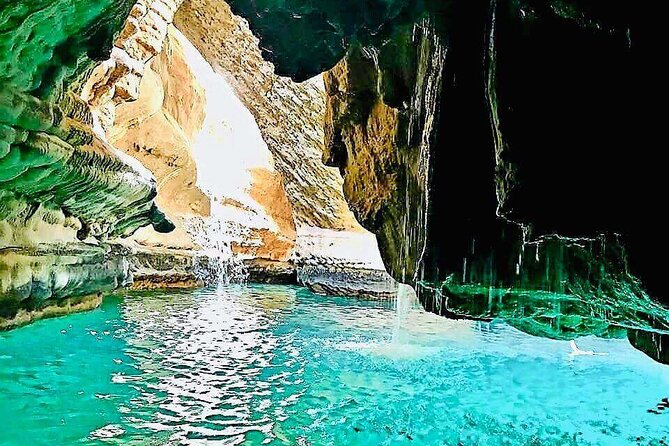
The main event is Wadi Shab. A boat carries you across the water at the start of the visit, and the included boat fee removes one small piece of hassle. From there, expect about a 35-minute walk through a canyon lined with palms and steep rock walls.
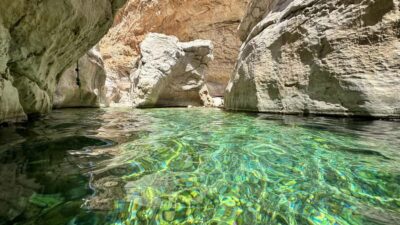
The walk is part of the reward, but you should take it seriously. The day involves uneven ground, heat, and water. Once you reach the pools, you can swim from one to the next. The route eventually reaches a narrow opening in the rock where you swim into a small cave with a waterfall and sunlight shining through the water.
That cave is the memorable finish, but it is not suitable for anyone who is uncomfortable swimming or squeezing through a tight rocky opening. If you prefer not to swim, the canyon and pools are still worth seeing, but the most unusual part of the route requires water confidence.
Wadi Tiwi follows as a shorter photo stop. Its palms and planted areas give it a greener appearance than some of Oman’s drier wadis. This is a quick contrast rather than another major hike, which is sensible after the Wadi Shab outing.
The day ends at Ras Al Jinz Turtle Reserve, with about two hours scheduled and turtle-watching admission included. The reserve gives the coastal section a wildlife focus, though the exact sighting experience can depend on conditions. You should expect an evening visit rather than a guaranteed close encounter.
Day 2: Sur’s dhow builders, emerald pools, and Wahiba Sands
Sur gives you a useful connection to Oman’s seafaring past. At the dhow factory, traditional wooden vessels are still built, and the included admission lets you see the craft at close range. The city also has old fortifications, including Sunaysilah Fort, although the scheduled factory visit is the clearest focus.
Next comes Al Kamil Wal Wafi and a stop at the Omani Ghazal Farm in Al Kamel, also called Asilel Farm. The visit is short, about 30 minutes, so think of it as a roadside cultural stop rather than a full farm tour.
Wadi Bani Khalid is the day’s main natural attraction. Large emerald pools sit among the canyon walls, and the two-hour stop allows time to swim, sunbathe, relax, or have a picnic. Unlike Wadi Shab, you are not facing the same long canyon walk toward a cave, so this is an easier place to enjoy the water at your own pace.
The desert arrives later in the day. At Wahiba Sands, your 4WD takes you to camp, where you can rest or join a dune drive. The sunset is the point: climb one of the larger dunes and watch the sand change color as the light drops.
Dinner and a campfire are included, and the overnight stay gives the desert more meaning than a quick photo stop. You can experience the quiet after sunset and wake early for the next morning’s sunrise. Confirm the exact accommodation style before departure if the camp setting matters to you, since the package lists a standard room arrangement for the tour but does not describe the desert camp in detail.
Day 3: Sunrise, Bronze Age tombs, and Oman’s Green Mountain
Day three begins early at Wahiba Sands, with about 30 minutes set aside for sunrise from the dunes. That start is worth the lost sleep. Desert light is best at the edges of the day, and this short stop gives you one last quiet view before the road turns inland.
The Zukait Tower Tombs near Izki provide a sharp change of subject. These beehive-shaped Bronze Age tombs are set among the hills and date to the BCE era. The site was added to the UNESCO World Heritage list in 1988 as part of an ancient archaeological setting.
Do not expect a polished museum visit here. The value is in seeing the tombs in their original setting and understanding how old Oman’s settled past is. Your guide can add context that signs may not provide.
Jebel Akhdar, or Green Mountain, rises to about 2,980 meters, with the Saiq Plateau around 2,000 meters above sea level. The two-hour visit introduces you to a cooler, higher part of Oman, with mountain views and villages shaped by elevation.
Temperature can differ greatly between the coast, desert, and high mountains. Pack one warmer layer even if Muscat feels hot when you leave. The route includes several changes in setting, so dressing in layers is more practical than packing only for desert heat.
Birkat Al Mouz follows with its old village ruins and banana plantations. The name translates as Banana Pool, a reminder that Oman’s mountain settlements are not simply dry stone villages. The half-hour visit is brief but helps you see how water, farming, and settlement fit together.
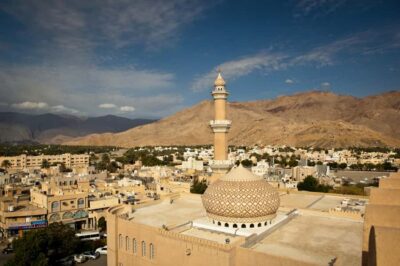
The Aflaj irrigation systems offer another look at water management. Oman’s ancient aflaj systems are recognized by UNESCO, and this short stop adds useful context to the wadis and plantations you have already seen. The day then reaches Nizwa, an ancient inland city surrounded by palms and seasonal watercourses.
A completely different sort of day from Muscat:
- Muscat: Daymaniat Islands Snorkeling Trip with Brunch
★ 4.7 · 2,317 reviews - From Muscat: Wadi Shab & Bimmah Sinkhole Full-Day Tour
★ 4.8 · 1,862 reviews - Muscat: Wahiba Desert and Wadi Bani Khalid Guided Group Tour
★ 4.8 · 820 reviews - Muscat: Half-Day Sightseeing Essentials Tour and Audio Guide
★ 4.2 · 598 reviews
Day 4: Nizwa Fort, mountain villages, and Jebel Shams
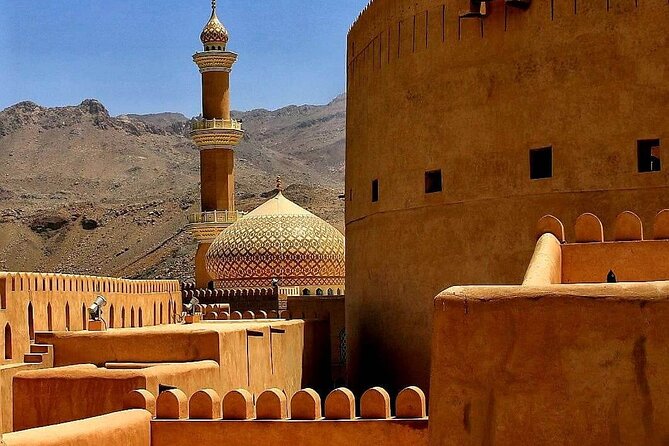
Nizwa Fort is the first major stop. Built in the seventeenth century, it is known for its large central tower, defensive design, and picture of how people once lived and worked inside an Omani stronghold. Admission is included, and 45 minutes gives you time to see the main areas without turning the visit into a full morning.
Nizwa Souq is more than a souvenir market. Different sections focus on fruit and vegetables, meat, fish, silver, and handmade goods. Give yourself an hour to browse. Omani silver craft is one of the more distinctive purchases here, but you should take your time and compare pieces rather than buying at the first stall.
Al Hamra provides a very different view of inland Oman. The modern town grew around an older abandoned settlement, with ruins estimated at 700 to 1,000 years old. The 45-minute stop is enough for a look, though not a long archaeological exploration.
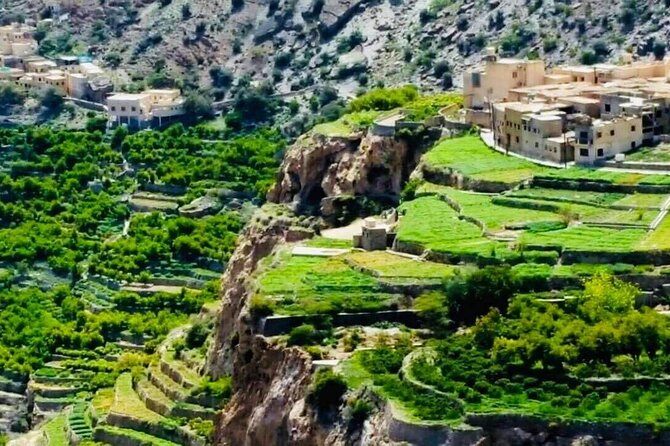
Misfah Al Abriyeen sits about 1,000 meters above sea level and is known for its mountain setting and traditional village form. The visit is short, so wear shoes that handle uneven paths. The village is more rewarding when you notice the relationship between homes, terraces, palms, and channels rather than treating it as only a viewpoint.
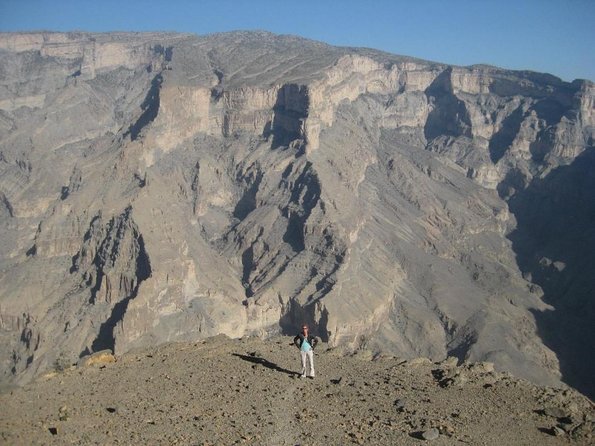
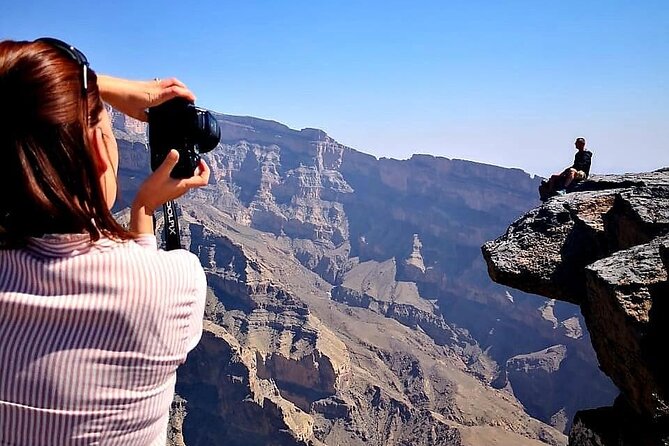
The final major stop is Jebel Shams, Oman’s highest mountain area and the high point of the Hajar range. The name means Mountain of the Sun, linked to its early sunrise. The one-hour visit is mainly about the views, and the scale of the surrounding ravines gives you a strong sense of why this region is often called Oman’s Grand Canyon area.
This is another full day with several short stops. I would choose this tour for variety, not for long periods at each site. If you like moving from one setting to the next, the rhythm works well. If you prefer detailed museum visits or unhurried village walks, it may feel rushed.
Day 5: Wadi Ghul and Oman’s finest historic interiors
The final day opens at Wadi Ghul, near Jebel Shams. The area includes an abandoned village and dramatic canyon views, with 45 minutes scheduled. It is one of the tour’s strongest scenic finishes, especially after seeing the high mountain area the previous day.
At Al Hamra, Bait Al Safah Museum presents traditional Omani life inside an old-style house. It is described as a living museum, which means the interest comes from the home itself and the everyday practices it represents, not from a large collection behind glass. Admission is included, and 45 minutes gives you a focused visit.
Bahla Fort is one of Oman’s four historic fortresses near the Jebel Akhdar highlands and the country’s only UNESCO-listed fort. It reopened after major restoration work, but visitor information inside the complex is limited. This is where your guide matters most. Ask for context as you walk, since the site may not explain itself clearly.
Jibreen Castle, built in 1675, is a strong final stop. Its painted ceilings, rooms, and two towers show a more refined side of Omani defensive architecture. An audio tour is available, and the included admission makes it easy to spend the full hour exploring.
Together, Bahla and Jibreen give the last day a satisfying historical shape. Bahla feels larger and more fortified, while Jibreen is easier to read as a lived-in castle with decorated interiors. You finish with a better sense of how Omani rulers, families, farmers, and craftsmen occupied these places.
Transport, meals, rooms, and practical comfort
Pickup and drop-off are available from hotels, the port, or the airport in the Muscat area. The stated start time is 8:30 am. A private 4WD is included, which suits the mountain and desert portions of the route better than a standard city vehicle.
Room arrangements are listed as a standard double room for two people, a double room plus an extra bed for three, or two standard double rooms for four. Four breakfasts and four dinners are included, while lunch is not. Bottled water is supplied during the tour.
The tour is private, so only your group participates. That gives you more control over photo stops and swimming time than a shared departure, but it does not remove the fixed distances between regions. Ask your guide early if a stop matters especially to you.
The overall rating is 5 from 64 reviews, with 100 percent recommending the experience. The most consistent praise centers on the guides’ driving, friendliness, local knowledge, and willingness to help. Khalfan, Yahya al Jabri, and Hussein Al Hamdani are among the guides specifically praised for making the route easy to follow and enjoyable.
You should also keep the Ramadan warning in mind. Alcohol may not be available at hotels, and restaurants or coffee shops may be closed during daylight hours. The included hotel dinners and breakfasts help, but you should ask how lunches will work during your dates.
Who should book this Oman tour?
Book it if you want Oman’s major natural and historic sights in one organized trip and value private transport over independent route planning. It suits active adults who can manage a canyon walk, swimming, uneven village paths, early sunrise, and long road days.
It also suits first-time visitors who want an Omani guide rather than a self-drive itinerary. The route is broad enough to show the coast, desert, mountains, villages, forts, and souqs without requiring you to arrange several separate hotels and transfers.
Think twice if you want a slow holiday, daily restaurant freedom, or long hikes. The schedule is busy, lunches cost extra, and the Wadi Shab section requires genuine physical effort. The cancellation terms are also worth noting: full refunds require cancellation at least six full days before the start time, with smaller refunds available closer to departure. Poor weather may lead to a new date or full refund.
Should you book it?
I would book this tour for a first Oman visit when you have only five days and want the country’s greatest variety. The desert overnight, Wadi Shab swim, Nizwa Fort, Jebel Shams, and Jibreen Castle give the trip several memorable anchors.
I would not book it for a relaxed resort break. You will spend time on the road, rise early, and move through several regions at a brisk pace. For the right traveler, that is the point: one private 4WD, a local guide, and five busy days that show how much Oman can offer beyond Muscat.
FAQ
Where does the tour begin and end?
Pickup and drop-off are offered from hotels, the port, or the airport in the Muscat area.
What time does the tour start?
The stated start time is 8:30 am.
Is this a private tour?
Yes. Only your group participates in the activity.
How long does the tour last?
The tour lasts approximately five days and includes four nights of accommodation.
What meals are included?
Four breakfasts and four dinners are included. Lunch is not included.
Is accommodation included?
Yes. Standard room arrangements are provided according to group size, including a double room for two people, a double room with an extra bed for three, and two double rooms for four.
Is transport included?
Yes. A comfortable 4WD vehicle and an English-speaking Omani tour guide are included.
Which entry fees are included?
Included admissions cover turtle watching, the dhow factory, the Wadi Shab boat, Nizwa Fort, Bahla Fort, Bait Al Safah Museum, and Jibreen Castle.
Can the tour be canceled for a full refund?
Yes, if you cancel at least six full days before the experience begins. Cancellations two to six full days before the start receive a 50 percent refund, while cancellations less than two full days before the start are not refunded. If poor weather cancels the experience, you are offered another date or a full refund.
Newest Muscat trips on the site
- From Muscat: Nizwa & Al Hamra with Jebel Shams Night Stay★ 4.8 · 3 reviews
- Oman 3-Days 2-Night Shared Roundtrip Tour – Explore Oman’s Best★ 5.0 · 3 reviews
- Muscat trasfer: airport trasfer to/from hotel in muscat★ 5.0 · 3 reviews
- Watching Dolphins, Muscat★ 4.5 · 3 reviews
- Guided Private Tour to Wakan Village in Oman★ 5.0 · 3 reviews
- Wadi Shab full day tour (Muscat tours):Oman Shore excursions★ 4.5 · 3 reviews
- Muscat: Full-Day City and Wadi Shab Tour★ 4.3 · 3 reviews
- Muscat by Night Sightseeing Tour★ 4.8 · 3 reviews
Muscat Tours, compared.
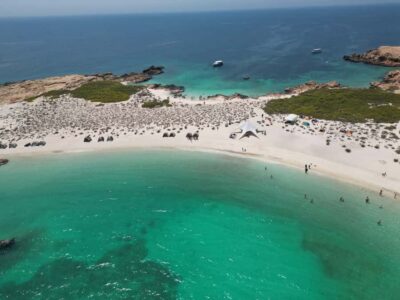
Daymaniat Islands Snorkeling Trip with Brunch
Read our review →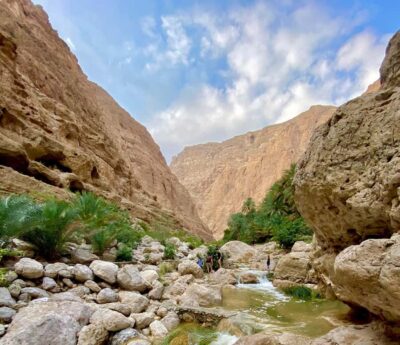
Wahiba Desert and Wadi Bani Khalid Guided Group Tour
Read our review →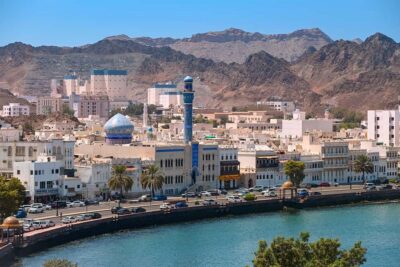
Half-Day Sightseeing Essentials Tour and Audio Guide
Read our review →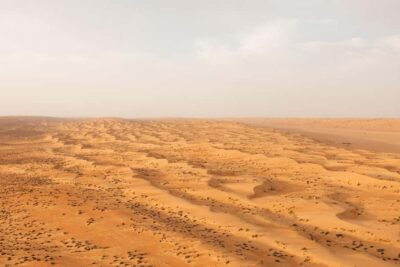

Daymaniat Islands Snorkeling Tour with Refreshments
Read our review →