Reviewed · MUSCAT TOURS
5 Days 4 Nights Shared Tour in Oman
Oman packs an astonishing range of scenery into five days: grand mosques, old forts, palm-lined wadis, desert dunes, mountain villages, and traditional souqs. The highlight is the change of pace, from swimming through Wadi Shab’s clear pools to watching the sunset over Wahiba Sands.
I like the small maximum group of four, which gives the tour a more personal feel than a large coach trip. I also like the mix of included meals, accommodation, 4WD transport, and an English-speaking Omani guide, especially since the route covers long distances.
The main consideration is the pace. You cover a great deal of Oman in five days, and some stops are short photo visits. Wadi Shab also requires a hike and swimming, so this is not a gentle sightseeing holiday.
Key points before you book
- Wadi Shab is the active centerpiece: Allow for a roughly 35-minute hike each way before reaching the pools and cave.
- The group is limited to four people: This is a strong advantage for families or friends who want a shared tour without a full-size bus.
- Three different Omani settings are combined: Muscat’s grand buildings, the Sharqiyah desert, and the high villages of the Hajar Mountains.
- Four breakfasts and three dinners are included: Lunches are not included, so plan to pay separately during the day.
- Mr. Khalil is a guide name worth asking about: He is specifically praised for patience, care, and handling the needs of a family with a young child.
- The route is full but not rushed at every stop: You get substantial time at Wadi Shab, Wadi Bani Khalid, and the desert, while several city stops are brief.
Muscat begins with grand architecture and old-market atmosphere
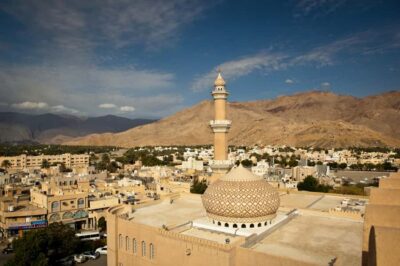
Your first day introduces Oman through Muscat’s polished public spaces and older quarters. The Sultan Qaboos Grand Mosque is the morning centerpiece, with about an hour to see the building and its famous handmade Iranian carpet. The single-piece carpet weighs 21 tons and can accommodate up to 20,000 worshippers, which gives you a sense of the mosque’s scale before you even step inside.
The mosque is more than a quick photograph. It offers a useful first look at Oman’s modern religious architecture and the care given to decorative detail. Dress respectfully, and remember that religious sites may have entry rules or visiting times. The tour lists admission as free.
Next comes the Royal Opera House, one of Muscat’s main centers for music, theater, and cultural events. The visit is scheduled for 45 minutes and admission is included. You should expect a look at the opera house area and its role in Oman’s cultural life, rather than a full performance.
The drive around the ministries and the opera house also helps you understand the character of Muscat. This is a capital with broad roads, formal buildings, and carefully planned districts, not an old European-style city center where every sight sits within a few steps of the next.
Qurum Beach is a ten-minute photo stop. The beach is near shops and restaurants and is one of Muscat’s busier shore areas, but you will not have time for a walk or swim here. Treat it as a brief pause between the city’s cultural sights.
more half-days around Muscat worth comparing
- 5 Days – 4 Nights Private Roundtrip Tours – Fatimah Tours
★ 5.0 · 43 reviews - 5 Days 6 Nights Private Tour in Oman
★ 5.0 · 29 reviews - 5 Days 4 Nights Oman Package Tour Mohammed
★ 5.0 · 23 reviews
Muttrah Souq and Old Muscat bring Oman’s past closer
Muttrah Souq gives the first day its most traditional feel. You have about an hour to browse one of Oman’s oldest marketplaces, a place associated with roughly two centuries of trade. This is the right stop for souvenirs, silver craft, small gifts, and a look at the covered lanes that still serve as a shopping center.
Give yourself time to look before buying. An hour is enough for a useful visit, but not for a slow, extended shopping session. If you find something you want, ask about shipping or packing before making a purchase, particularly for fragile handmade items.
Al Alam Palace follows, with 30 minutes in Old Muscat. The palace is used for ceremonial purposes and is one of the sultan’s residences. You will mainly view it from outside, since this is not described as an interior palace tour.
The final stop is Mirani Fort, originally built by the Portuguese in Muscat’s harbor. It is a photo stop only, and admission is not included. Together, Al Alam Palace and the fort show the sharp contrast between the formal royal quarter and the defensive buildings that protected the harbor.
Wadi Shab rewards effort with pools and a cave

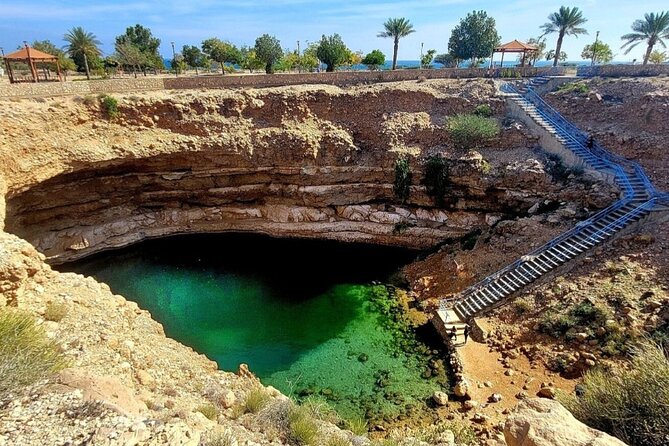
Day two shifts from city sightseeing to outdoor activity. Bimmah Sinkhole is listed as a one-hour stop on the way to Wadi Shab, although the description presents it as a quick pass by for photographs. Clarify the exact time with your guide if this site matters to you, since the wording suggests a short visit rather than a full swim stop.
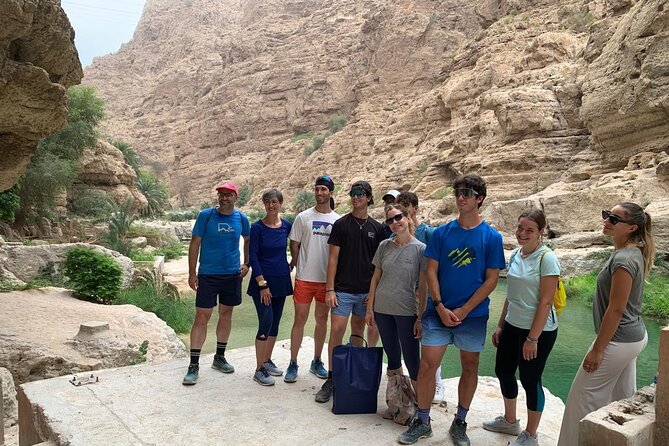
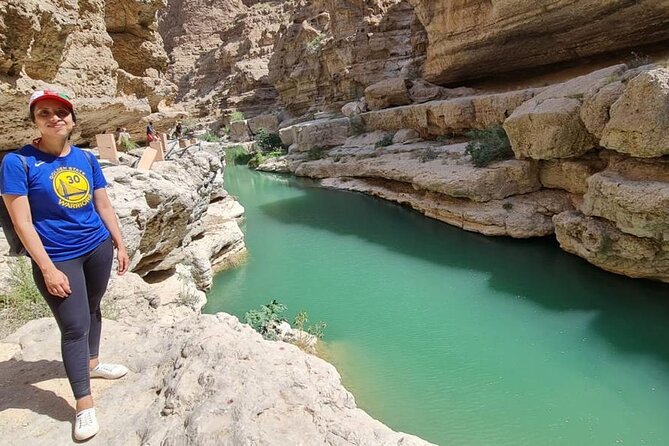
Wadi Shab is the day’s major attraction and one of the strongest reasons to choose this tour. A canyon lined with palms leads you toward a series of clear pools. The route includes a hike of about 35 minutes before you reach the swimming area.
You should bring swimwear, secure footwear, and a way to protect your phone. The final section requires swimming from pool to pool, and the route ends at an opening in the rocks where you can swim into a narrow cave with a small waterfall. The experience is memorable because it combines walking, warm water, rock formations, and a little physical challenge in one outing.
The three-hour allocation is helpful, but conditions can affect how long you spend in the water. If you do not swim or do not feel comfortable with the hike, ask your guide what portion of the wadi you can enjoy safely. The tour says most people can participate, but it is still a poor match for anyone seeking a fully accessible, no-effort day.
Wadi Tiwi offers a quieter contrast. You will stop for about 45 minutes to photograph the wadi and its plantations. Its greener appearance comes from the cultivated areas around Tiwi village, giving you a different view from the rocky canyon at Wadi Shab.
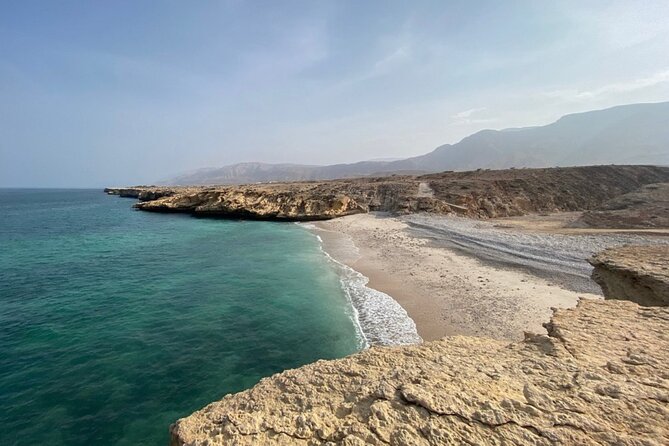
Fins Beach is only a 15-minute photo stop. The white sand makes a good final coastal image, but this is not enough time for a proper beach outing. That distinction matters if you are hoping for a relaxed day beside the sea.
Sur connects Oman’s coast with its seafaring past
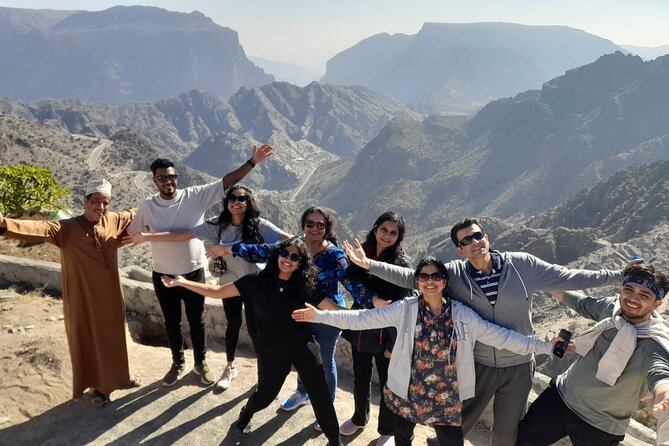
Day three takes you to Sur, a port city on Oman’s eastern tip. The schedule allows 45 minutes to see the city, old fortifications, and a traditional Arabian dhow factory. Dhows are wooden vessels linked to Oman’s maritime trade, and watching them being built gives the stop a practical, hands-on quality that a museum display cannot provide.
The time is short, so expect an overview rather than a full exploration of Sur. The value is in seeing how the coast’s working traditions fit into the wider story of Oman. You are not simply moving from one scenic stop to another; you are also seeing the skills and industries that shaped the country.
At Al Kamil Wal Wafi, the tour visits a ghazal farm for about 30 minutes. This adds a less familiar stop to the route and gives you a chance to see ghazal in an agricultural setting. Since the visit is brief, consider it an unusual interlude rather than a major attraction.
A completely different sort of day from Muscat:
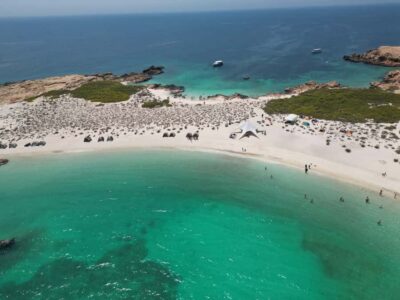
- Muscat: Daymaniat Islands Snorkeling Trip with Brunch
★ 4.7 · 2,317 reviews - From Muscat: Wadi Shab & Bimmah Sinkhole Full-Day Tour
★ 4.8 · 1,862 reviews - Muscat: Wahiba Desert and Wadi Bani Khalid Guided Group Tour
★ 4.8 · 820 reviews - Muscat: Half-Day Sightseeing Essentials Tour and Audio Guide
★ 4.2 · 598 reviews
Wadi Bani Khalid and Wahiba Sands provide the trip’s big contrast
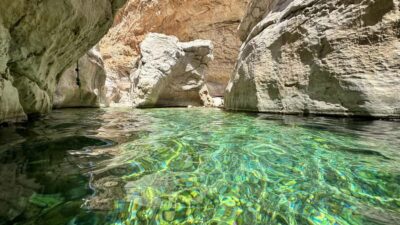
Wadi Bani Khalid receives three hours, making it one of the better-paced stops. Large emerald pools sit among the wadi’s canyons, and you can swim, sunbathe, relax, or have a picnic. Compared with Wadi Shab, the appeal here is less about reaching a cave and more about having time to enjoy the water and setting.
Bring modest swimwear and a towel, and remember that lunch is not included. The tour provides bottled water, but you will need to arrange your own midday food. The three-hour stay gives you more flexibility than the short coastal photo stops, especially if some members of your group want to swim while others prefer to sit and take photographs.
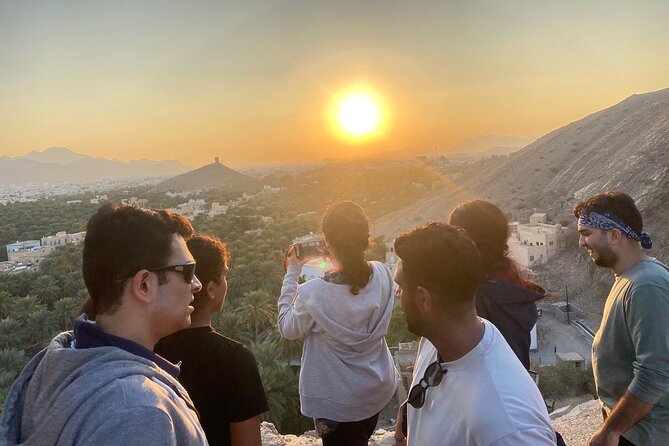
Later, you reach Wahiba Sands and your desert camp. The planned two-hour visit includes time to relax, watch sunset from a dune, and have dinner at camp. This is one of the tour’s most atmospheric transitions: you leave the pools and palms behind and arrive in an open expanse of sand.
A camel ride is available for an extra 3 OMR per person, paid directly. It is not part of the tour price, so carry a small amount of Omani currency if you want that option. The included dinner helps here, since you do not need to arrange an evening meal after reaching camp.
Day four starts early with a 30-minute sunrise stop from the dunes, followed by breakfast. Sunrise and sunset are included at useful points in the schedule, but you should expect an early start. If you value sleep above photographs, this is one of the trade-offs built into the route.
Jebel Akhdar changes sand for high mountain air
From the desert, the route climbs toward Jebel Akhdar, also called the Green Mountain. The mountain reaches about 2,980 meters, with the Saiq Plateau at roughly 2,000 meters above sea level. The two-hour stop offers a sharp change from the flat desert, with high mountain views and cooler conditions implied by the elevation.
The itinerary does not promise a particular hike or village walk here, so expect sightseeing and viewpoints rather than a long trek. Ask your guide how much time will be spent outside the vehicle and what footwear makes sense for the day.
Birkat Al Mouz follows for 30 minutes. The village is known for banana plantations and sits along the old Muscat to Nizwa road. The name translates as Banana Pool, and the stop gives you a glimpse of cultivated life at the foot of the mountains.
Nizwa is introduced late on day four, with a 30-minute city visit before the overnight arrangements continue. Since the fort and souq receive dedicated time on day five, this first visit works as an orientation to the city rather than a full tour.
Nizwa, Al Hamra, and Misfat show Oman’s built traditions
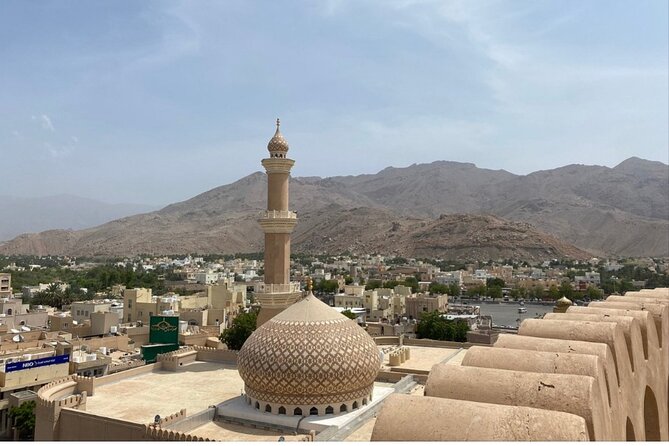
Day five begins at Nizwa Fort, where admission is included and one hour is scheduled. Built in the seventeenth century, the fort is one of Oman’s best-known examples of older defensive architecture. Its size and design help you picture how authority, storage, defense, and daily life once worked together.
The fort is particularly worthwhile because it is not just an exterior photo stop. You have enough time to see the structure as a major historical site, though an hour can still feel short if you read every display carefully.
Nizwa Souq comes next, also for one hour. The market is known for Omani silverwork and handmade goods, but it also functions as a practical food market, with separate areas for fruit and vegetables, meat, and fish. That working character makes it more interesting than a market built only for sightseeing.
Al Hamra offers a different look at older Oman. The town is about 400 years old, while nearby abandoned ruins are estimated at 700 to 1,000 years old. You have 45 minutes here, enough for a quick visit and photographs, but not an extended study of the old settlement.
Misfat Al Abriyeen is another 45-minute stop, set at about 1,000 meters above sea level. The mountain village is linked to the Al Abri tribe and gives you a close look at rural settlement patterns in the Hajar foothills. The schedule is compact, so wear shoes that can handle uneven ground if you want to walk beyond the vehicle.
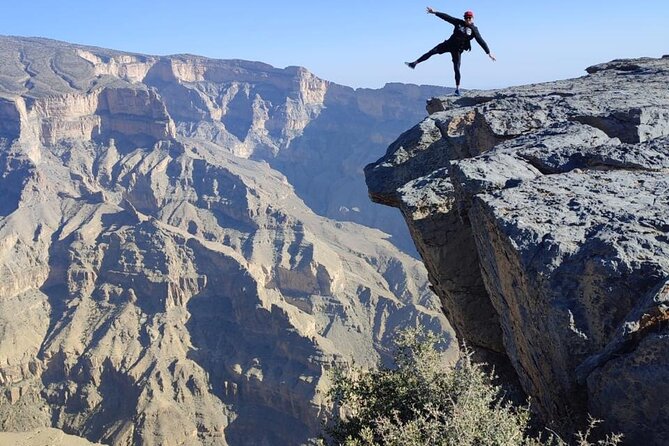
The final listed stop is Jebel Shams, Oman’s highest mountain in the Hajar range. Its name means Mountain of the Sun, and its height makes it one of the route’s major viewpoints. The one-hour stop is likely to feel brief after the day’s other visits, but it provides a strong final image of Oman’s high country.
What the $1,591 price includes
At $1,591 per person, this is not a budget day tour. The value comes from how much ground the package covers and from the services bundled into the price.
You receive a comfortable 4WD vehicle, Muscat-area pickup and drop-off, an English-speaking Omani guide, bottled water, accommodation, four breakfasts, three dinners, and applicable entrance fees. The tour is limited to a maximum of four people, which is important when comparing it with larger group departures.
Lunch is excluded, as are gratuities. You should also budget for optional extras such as the 3 OMR camel ride. The accommodation description lists several room arrangements, including single, double, and triple configurations, but it is not fully clear how rooms are assigned for every booking. Confirm the sleeping arrangement before paying, especially if you are a family or a group of friends.
For a solo participant, the price may feel high. For a small group splitting the cost of a private-feeling vehicle and guide while covering much of Oman, it becomes easier to justify. The biggest question is not simply the price, but how much you value having transport, overnight stays, meals, and a guide arranged across a demanding five-day route.
Who will enjoy this Oman tour most
I would choose this trip if you want a broad first look at Oman and do not want to organize several hotels, long drives, desert transport, and mountain visits yourself. It suits adventurous couples, families with older children, and groups of friends who enjoy changing scenery and active stops.
The tour can work for families, and Mr. Khalil is specifically praised for patience and care with a young child. Still, Wadi Shab requires walking and swimming, while the overall route involves several long travel days. Families should discuss the pace and physical demands before booking.
This is less suitable if you prefer slow mornings, long beach stays, or extended time at each museum and fort. The route favors variety. You will see more parts of Oman, but several stops are limited to 15, 30, or 45 minutes.
The operator can accommodate vegetarian, vegan, and gluten-free diets when you provide the information at booking. Most people can participate, but the outdoor sections deserve honest consideration. Good weather is required, and poor conditions can lead to a date change or refund.
Should you book the five-day Oman route?
Book it if you want Oman in broad strokes but with enough time for its best outdoor stops. Wadi Shab, Wadi Bani Khalid, and Wahiba Sands give the trip its strongest experiences, while Nizwa and Muscat supply the architecture, markets, and older towns that keep the route varied.
I would ask three questions before booking: Can you manage the Wadi Shab hike and swimming? Are you comfortable with a full schedule? Is the room arrangement clear for your group? If the answers are yes, the four-person limit, included transport, dinners, breakfasts, and guide support make this a practical way to see a lot of Oman in five days.
The cancellation terms are also worth noting. You can receive a full refund if you cancel at least three full days before the local start time. Late cancellations and changes are not accepted, while weather or minimum-participant cancellations may lead to another date, another activity, or a full refund.
FAQ
Where does the tour start and end?
The tour starts in Muscat, Oman, and ends back at the meeting point. Pickup and drop-off are offered from hotels, the port, or the airport in the Muscat area.
How long is the tour?
The tour lasts approximately five days and includes four nights of accommodation.
How many people can join the shared tour?
The maximum group size is four travelers.
Is transport included?
Yes. The tour includes a comfortable 4WD vehicle and pickup and drop-off in the Muscat area.
Is a guide included?
Yes. An English-speaking Omani tour guide is included.
Are meals included?
Four breakfasts and three dinners are included. Lunch is not included.
Are entrance fees included?
Entrance fees are included where applicable. The Nizwa Fort and Royal Opera House are specifically listed with admission included. Mirani Fort admission is not included, and that stop is for photographs only.
Is Wadi Shab suitable for everyone?
The tour states that most travelers can participate, but Wadi Shab includes an approximately 35-minute hike and swimming through pools toward a cave. You should be comfortable with both activities.
Is the camel ride included?
No. A camel ride at Wahiba Sands costs 3 OMR per person and is paid directly.
Can dietary restrictions be accommodated?
Yes. Vegetarian, vegan, gluten-free, and other dietary requirements can be accommodated if you provide them in the special requirements section when booking.
What is the cancellation policy?
You can cancel for a full refund at least three full days before the local start time. Cancellations or changes made less than three full days before departure are not refunded or accepted. If bad weather or insufficient participation causes cancellation, you can choose another date or activity, or receive a full refund.
Newest Muscat trips on the site
- From Muscat: Nizwa & Al Hamra with Jebel Shams Night Stay★ 4.8 · 3 reviews
- Oman 3-Days 2-Night Shared Roundtrip Tour – Explore Oman’s Best★ 5.0 · 3 reviews
- Muscat trasfer: airport trasfer to/from hotel in muscat★ 5.0 · 3 reviews
- Watching Dolphins, Muscat★ 4.5 · 3 reviews
- Guided Private Tour to Wakan Village in Oman★ 5.0 · 3 reviews
- Wadi Shab full day tour (Muscat tours):Oman Shore excursions★ 4.5 · 3 reviews
- Muscat: Full-Day City and Wadi Shab Tour★ 4.3 · 3 reviews
- Muscat by Night Sightseeing Tour★ 4.8 · 3 reviews
Muscat Tours, compared.
Daymaniat Islands Snorkeling Trip with Brunch
Read our review →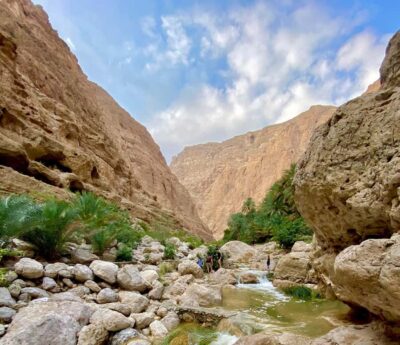
Wahiba Desert and Wadi Bani Khalid Guided Group Tour
Read our review →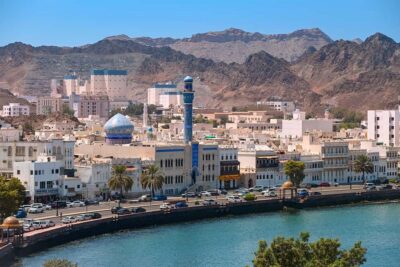
Half-Day Sightseeing Essentials Tour and Audio Guide
Read our review →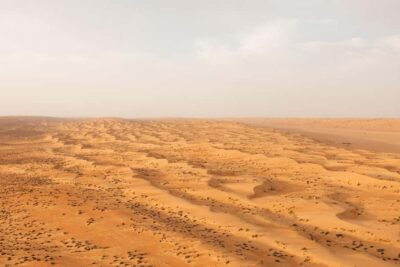

Daymaniat Islands Snorkeling Tour with Refreshments
Read our review →