
Reviewed · MUSCAT TOURS
muscat city tour with pick up SMALL GROUP 7 PEOPLE MAX
Muscat’s finest sights fit into a compact half-day here, but the Sultan Qaboos Grand Mosque is the real showstopper. You’ll see a vast Persian carpet, one of the world’s largest chandeliers, and graceful Indian sandstone architecture before moving through the city’s royal, artistic, and market quarters.
I like the small maximum of seven people, which makes hotel pickup and photo stops easier than on a large coach. I also like the mix of grand monuments and everyday Oman at Muttrah Souk, where frankincense, perfumes, jewelry, and traditional clothing fill the stalls. The main catch is time: four hours is efficient, but the tour can feel brisk, especially if you want long museum visits or an unhurried market wander.
Key points at a glance
- The Grand Mosque anchors the morning: See a 20,000-worshipper prayer complex, a hand-loomed Persian carpet, and an enormous chandelier.
- A seven-person limit keeps the ride personal: Shared transport remains practical without the feel of a full-size bus.
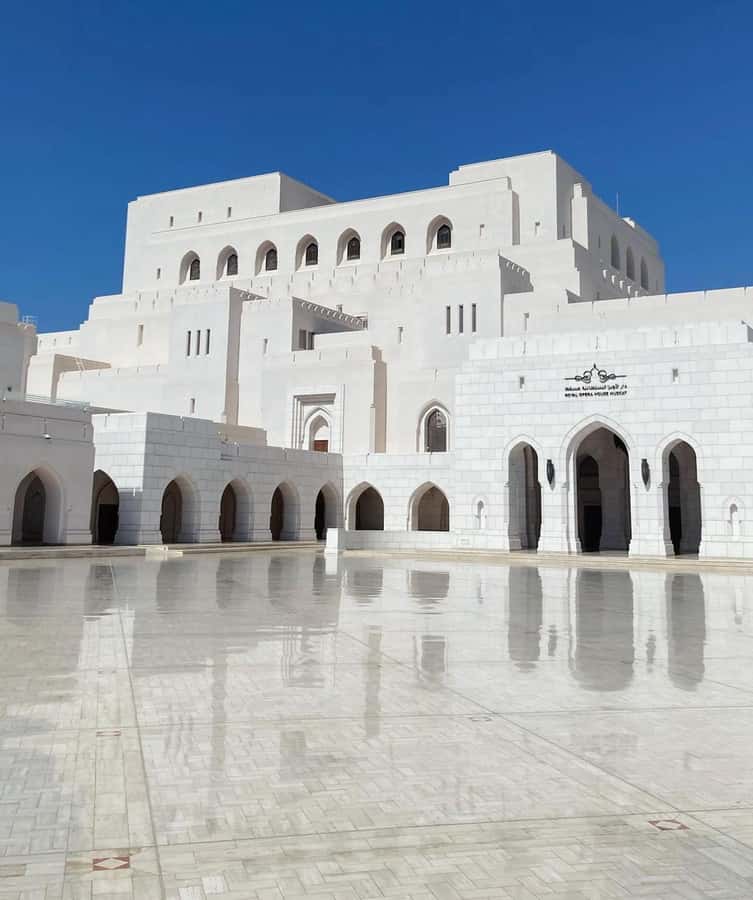
- The Royal Opera House adds a modern cultural note: Its Omani design and 1,100-seat theatre offer a sharp contrast to the souk.
- Muttrah Souk is your best shopping stop: Expect frankincense, perfumes, jewelry, clothing, souvenirs, and friendly haggling.
- Friday follows a different plan: The mosque and opera house are closed, so the tour visits Muttrah Fort and Qantab viewpoint instead.
- Budget for two entrance fees: Adult admission to the opera house and Bait Al Zubair Museum is listed at R.O. 3.000 each.
A compact introduction to Muscat

This is the sort of tour I’d choose for a first look at Muscat, especially if you have only one free morning or want help finding your bearings. It links the city’s major landmarks in one shared vehicle, with pickup in Muscat and return to Muscat after roughly four hours.
The route gives you several different versions of the capital. You’ll see Islamic architecture at the Grand Mosque, royal ceremony at Al Alam Palace, performing arts at the Royal Opera House, Omani culture at Bait Al Zubair Museum, and trade at Muttrah Souk. That range gives the tour more substance than a drive-by city loop.
The group limit matters. With no more than seven people, the guide can explain details, answer questions, and wait while you take photographs without the delays common to a large group. Past guides have included Hawwa, Yusuf, Abdoul, Salam, and Mohammed, and the strongest praise centers on guides who take time to explain local history and culture.
Still, don’t expect a slow, specialist tour of every site. Five stops in four hours means you’ll see the highlights rather than study each one at length. If the Grand Mosque and souk are your priorities, this plan works well. If you want extended museum time, a full opera-house performance, or serious shopping, you may want extra time elsewhere.
More City Tours in Muscat
- Muscat: Budget Friendly City Tour
★ 4.8 · 321 reviews - Half-Day Private Muscat City Tour – Top Landmarks in Just 4 Hours
★ 5.0 · 256 reviews - Oman: Private Muscat City Tour With Pick-up/ Drop-off
★ 4.4 · 234 reviews
Sultan Qaboos Grand Mosque and its enormous carpet

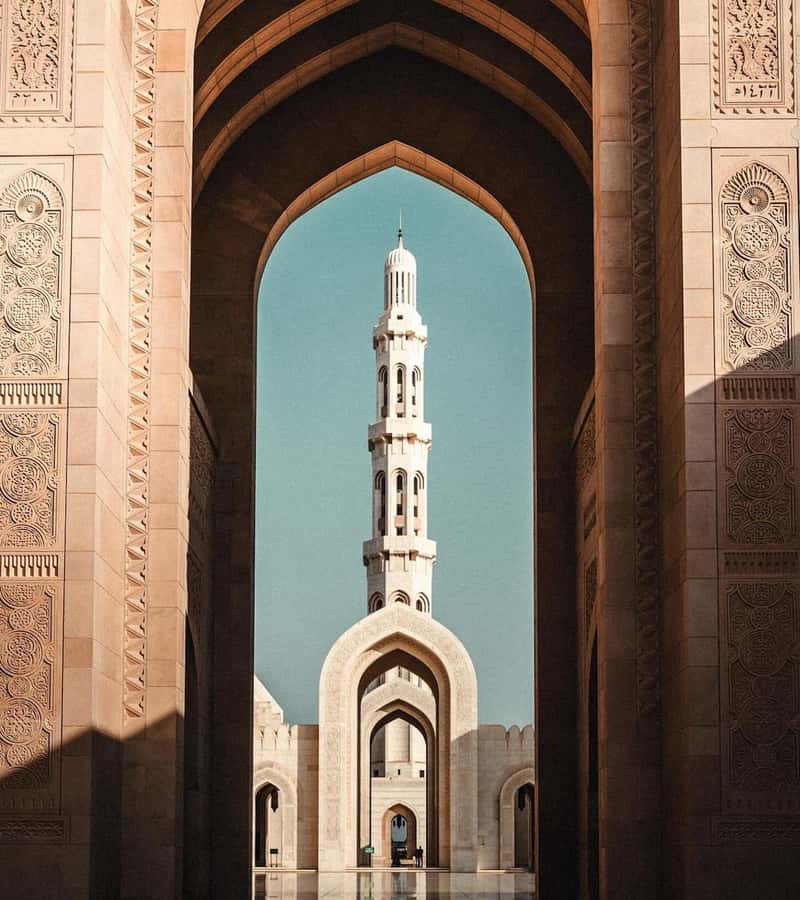
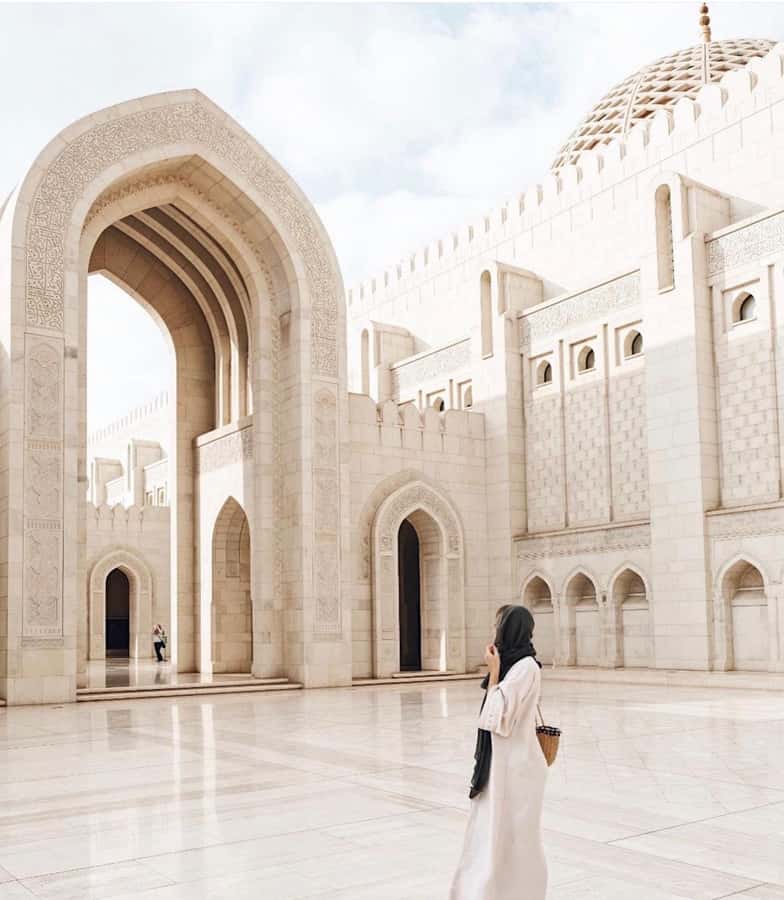
The Grand Mosque is the tour’s most important stop, and it deserves your full attention. Completed in 2001, it was built with about 300,000 tons of Indian sandstone and can accommodate up to 20,000 worshippers.
Inside, the scale is hard to miss. The main prayer hall contains a hand-loomed Persian carpet described as the world’s second-largest of its kind. Four hundred women worked on it for four years, a detail that makes the carpet more than a decorative object. It represents a huge amount of time, labor, and craftsmanship.
Look up as well. The main hall is lit by the world’s largest chandelier, giving the interior a formal, almost theatrical quality. The building combines traditional Islamic forms with a clean modern finish, so you get both ornament and order.
I’d make this the place where you spend your best attention, even if the group moves at a steady pace. The mosque is not just a landmark for photographs. It offers a useful introduction to Oman’s religious and artistic traditions before the tour moves on to palaces, museums, and shops.
There is one important scheduling point. The mosque is closed on Friday, so this visit is replaced by Muttrah Fort and Qantab viewpoint. Check the day of your booking before you reserve if seeing the mosque is essential.
Royal Opera House Muscat and modern Omani design
The Royal Opera House gives the tour a very different mood. Opened in 2011 on the sultan’s orders, it reflects his interest in classical music and the arts. The building combines contemporary Omani architecture with carefully finished interiors.
The main hall and theatre can hold up to 1,100 people. You’ll visit the building rather than attend a performance, so think of this stop as an architectural and cultural visit, not an evening at the opera.
I like its place in the route because it prevents the tour from becoming a sequence of old forts and market alleys. Muscat is not only about historic trading districts and royal buildings. This stop shows the capital’s modern cultural ambitions.
The adult entrance ticket is not included and is listed as R.O. 3.000. That extra cost is worth considering when you compare the total price with other city tours. If you are watching your budget, ask yourself how much you care about seeing the interior. If the answer is not much, the stop may feel less essential than the mosque or souk.
The opera house is also closed on Friday. On that day, the route changes to Muttrah Fort and Qantab viewpoint, which gives you a more historic and scenic alternative.
Bait Al Zubair Museum for context beyond monuments
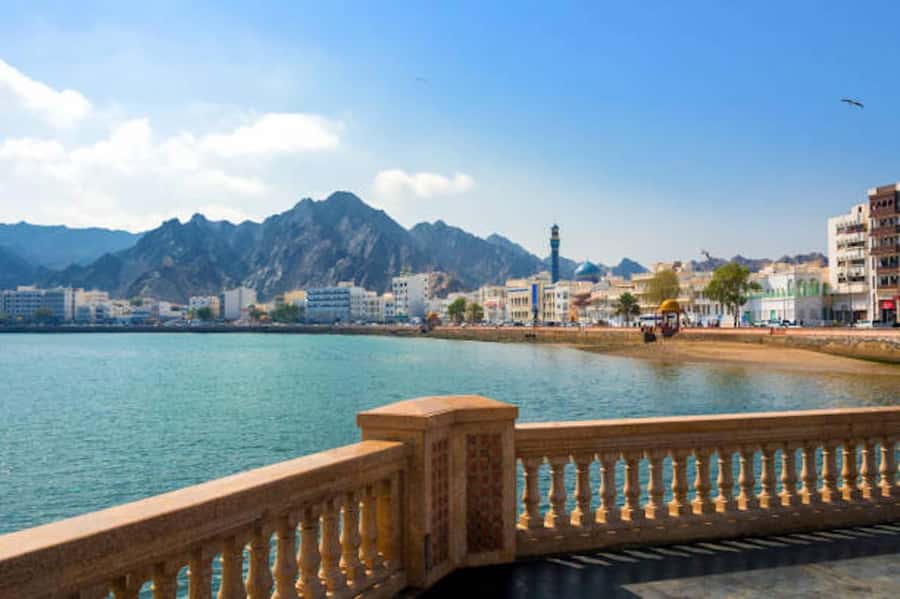
Bait Al Zubair Museum opened in 1998 and focuses on Oman’s culture and traditions. Its collection includes traditional weapons such as the khanjar dagger, clothing, dhow models, furniture, and paintings.
This is the stop that helps connect the grand buildings to ordinary Omani life. A palace gate can tell you about royal power, and a mosque can show you religious architecture, but objects such as clothing, weapons, boats, and household furnishings give you a clearer sense of how people expressed identity and lived within the country’s traditions.
The khanjar is especially useful to see in context. You may already spot curved daggers in shop windows, but a museum setting gives the object more meaning than a souvenir display. Dhow models also point toward Oman’s long relationship with the sea and regional trade.
The adult entrance fee is listed as R.O. 3.000 and is paid separately. Four hours is not a lot of time, so your visit will likely focus on the collection’s main displays rather than every object. I’d ask your guide to point out the pieces that best explain Omani life, especially if you are new to the country.
A completely different sort of day from Muscat:
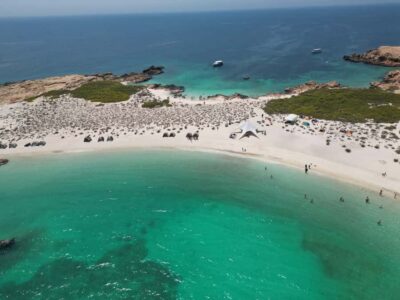
- Muscat: Daymaniat Islands Snorkeling Trip with Brunch
★ 4.7 · 2,317 reviews - From Muscat: Wadi Shab & Bimmah Sinkhole Full-Day Tour
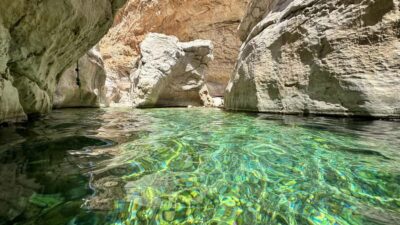
★ 4.8 · 1,862 reviews - Muscat: Wahiba Desert and Wadi Bani Khalid Guided Group Tour
★ 4.8 · 820 reviews - Muscat: Half-Day Sightseeing Essentials Tour and Audio Guide
★ 4.2 · 598 reviews
Al Alam Palace and a quick royal photograph
Al Alam Palace is the official ceremonial palace in Muscat’s old quarter. Its blue and gold front is easy to recognize, but the stop is brief because you cannot enter the palace itself.
You’ll stop near the gates for photographs. The palace has a history said to span more than 200 years and was built by Sultan Ahmed. It remains one of the ruler’s six royal residences.
This is a good example of a stop that works because of its setting and symbolism, not because of a long interior visit. You get a close look at the striking colors and the formal approach, then continue through the old city.
Keep your expectations in check. This is a photo stop, not a palace tour. I like it as part of a varied route, but I would not book the experience solely for Al Alam Palace. Its value comes from seeing it alongside the Grand Mosque, museum, and souk.
Muttrah Souk, where Oman feels most immediate
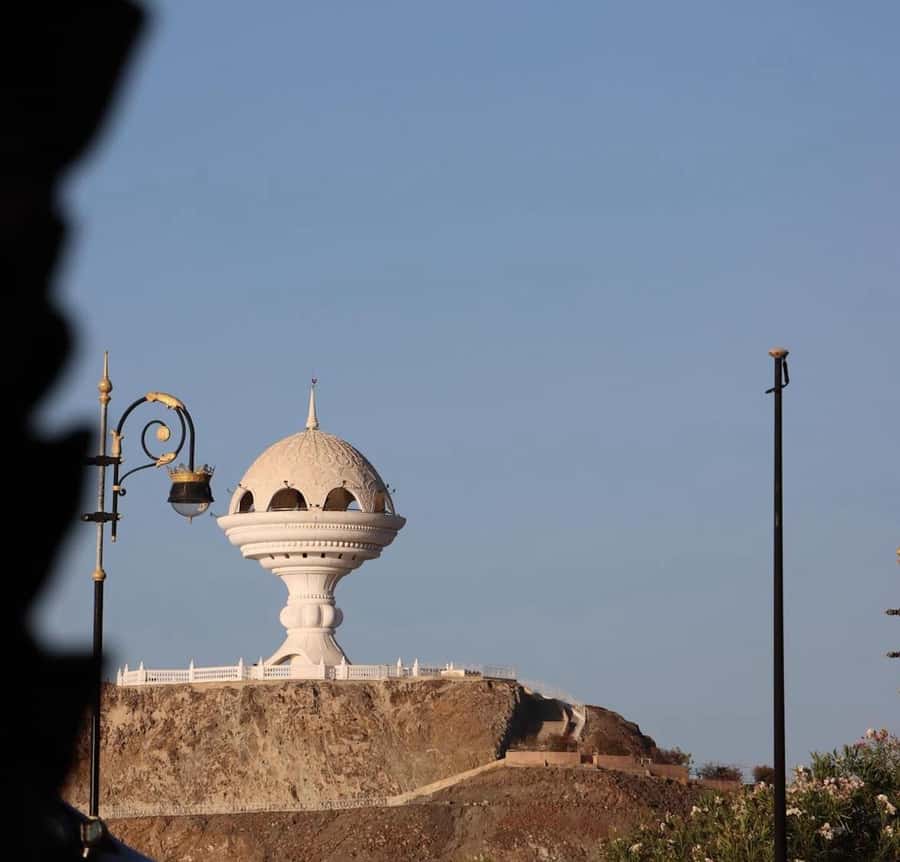
Muttrah Souk is the most hands-on stop of the day. This traditional Arab bazaar sells souvenirs, jewelry, frankincense, perfumes, clothing, and other local goods. You can browse at your own pace, compare items, and haggle with vendors.
The souk gives you a change from the polished scale of the mosque and opera house. Its appeal is not only what you buy. It is the close view of commercial life, the narrow shopping lanes, and the chance to handle goods associated with Oman.
Frankincense and perfume are natural things to look for, while jewelry and clothing can make more distinctive purchases than generic souvenirs. Prices are not provided, so ask before committing and treat bargaining as part of the exchange rather than an awkward chore.
Time may be your main limitation here. A short stop lets you get a feel for the place, but serious shoppers will want longer. If you already know you want frankincense, a perfume, or a piece of traditional clothing, decide before the tour where you want to focus.
I’d also save a little energy for the souk. It is easy to spend the morning taking photographs and listening to explanations, then rush the market at the end. The itinerary places it last, so remember that you can enjoy the visit without trying to inspect every stall.
The Friday alternative: Muttrah Fort and Qantab viewpoint

Friday changes the experience in a clear way. The Grand Mosque and Royal Opera House are closed, so the tour visits Muttrah Fort and Qantab viewpoint instead.
That is not a minor adjustment. If the mosque is the main reason you want this tour, avoid Friday. If you are more interested in views and historic Muscat, the substitute route may suit you well.
The information provided does not give details about admission, timing, or the exact visit format at Muttrah Fort and Qantab viewpoint. I would confirm those points when booking, particularly if one of the replacement stops is important to you.
Does $100 represent good value?

The price is $100 per person. That includes shared transportation, hotel pickup, and an Arabic or English-speaking driver-guide, with a group capped at seven people.
For a four-hour shared tour, the value depends on what you want from the morning. You are paying for a tightly arranged route through five well-known sites, local explanations, and the convenience of not organizing transport between them. The small group also gives the experience a more personal feel than a large coach tour.
The price does not include the adult entrance ticket for the Royal Opera House, listed as R.O. 3.000, or the adult Bait Al Zubair Museum ticket, also listed as R.O. 3.000. Sunblock is not included either, so add the two admission fees to your mental budget if you plan to enter both paid sites.
The strongest value comes if you are new to Muscat, have limited time, or want a broad first look before exploring on your own. It is less compelling if you already know the city and would rather spend half a day at one museum, shopping in Muttrah, or visiting sites at your own pace.
The tour also offers free cancellation up to 24 hours before departure and reserve-now, pay-later booking. Those terms help if your schedule is still moving, though the main decision remains the route and the four-hour limit.
What the guides add to the experience

A city tour succeeds or fails on the person behind the wheel. Here, the named guides include Hawwa, Yusuf, Abdoul, Salam, and Mohammed. Hawwa receives especially strong praise for her patience, detailed explanations, friendly manner, and willingness to help with questions and photographs.
That matters in Muscat because the buildings can look impressive without explanation, but the details give them meaning. A good guide can explain why the Grand Mosque’s carpet took four years to weave, place the opera house in the sultan’s cultural program, and help you understand the objects at Bait Al Zubair.
One useful detail from the feedback is that Hawwa accommodated a group whose time stretched longer than planned. You should not assume every tour will run over, but it suggests that the guide may be willing to work with reasonable requests when the schedule allows.
The tour operates in Arabic and English. If language is important to your booking, select the appropriate option and confirm it in advance.
Comfort, pace, and what to bring
Transportation and a driver-guide are included, but the vehicle type is not specified. One direct account describes the vehicle as comfortable, which is encouraging, but you should still expect a shared ride and several stops within a short window.
Bring sunblock because it is specifically excluded from the price. Comfortable clothing and shoes also make sense for moving between sites, though the supplied details do not set out a dress code or accessibility information. For mosque requirements, confirm the current visitor rules before you go.
Plan for photographs, explanations, and short walks rather than a long single-site visit. The schedule is packed enough that taking many photographs can eat into time at the next stop. One guide was praised for patiently waiting while photographs were taken, but that flexibility may depend on traffic, opening times, and the rest of the group.
The pickup and return area is Muscat. The exact pickup hour is not fixed in the information provided, so check availability for the starting time that suits you.
Who should book this Muscat tour?
I’d recommend it to a first-time visitor who wants the main Muscat sights in one morning. It is also a sensible choice for anyone with a short stay, a free half-day, or a preference for having a local guide explain the city rather than piecing the route together alone.
The small group suits solo visitors, couples, and families who want shared-tour pricing without a large crowd. It should also work well for people who enjoy a mix of architecture, culture, shopping, and photographs instead of focusing on one theme.
I would hesitate if you dislike fixed schedules. Five stops in four hours leaves limited room for lingering, and the two paid admissions make the final cost higher than the headline price. Friday also requires careful planning because the mosque and opera house are replaced.
Should you book it?
Book this tour if you want an efficient first introduction to Muscat and the Grand Mosque and Muttrah Souk are high on your list. The seven-person limit, hotel pickup, and guides such as Hawwa and Yusuf add practical value, while the route gives you a useful spread of religious, royal, cultural, artistic, and commercial sights.
Skip it if you want a slow museum day or extended shopping time. Also avoid Friday if seeing the mosque and opera house is non-negotiable. For everyone else, $100 is a fair price for a guided overview, provided you add the two separate entrance fees and accept the brisk pace.
FAQ
How long is the Muscat city tour?
The tour lasts four hours, including pickup in Muscat, visits to the scheduled sights, and return to Muscat.
How many people can join the shared tour?
The tour is limited to a maximum of seven people.
Which languages are available?
The live tour guide is available in Arabic and English.
Are the Royal Opera House and Bait Al Zubair Museum entrance fees included?
No. The adult entrance ticket for each site is listed separately at R.O. 3.000.
What happens if I take the tour on Friday?
The Sultan Qaboos Grand Mosque and Royal Opera House are closed on Friday. The tour visits Muttrah Fort and Qantab viewpoint instead.
Can I cancel the booking?
You can cancel up to 24 hours in advance for a full refund. Reserve-now, pay-later booking is also available.
Newest Muscat trips on the site
- From Muscat: Nizwa & Al Hamra with Jebel Shams Night Stay★ 4.8 · 3 reviews
- Oman 3-Days 2-Night Shared Roundtrip Tour – Explore Oman’s Best★ 5.0 · 3 reviews
- Muscat trasfer: airport trasfer to/from hotel in muscat★ 5.0 · 3 reviews
- Watching Dolphins, Muscat★ 4.5 · 3 reviews
- Guided Private Tour to Wakan Village in Oman★ 5.0 · 3 reviews
- Muscat: Full-Day City and Wadi Shab Tour★ 4.3 · 3 reviews
- Muscat by Night Sightseeing Tour★ 4.8 · 3 reviews
- Wadi Shab full day tour (Muscat tours):Oman Shore excursions★ 4.5 · 3 reviews
Muscat Tours, compared.
Daymaniat Islands Snorkeling Trip with Brunch
Read our review →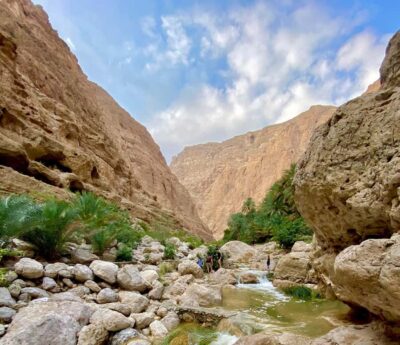
Wahiba Desert and Wadi Bani Khalid Guided Group Tour
Read our review →
Half-Day Sightseeing Essentials Tour and Audio Guide
Read our review →

Daymaniat Islands Snorkeling Tour with Refreshments
Read our review →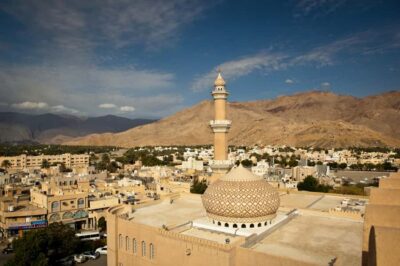

Daymaniyat Island: Snorkelling Tour with Tasty Lunch
Read our review →Browse the lists this tour appears in