Reviewed · MUSCAT TOURS
3-Days Private Tour in Oman with Pick Up
Oman’s best feature is the sharp change of scenery packed into three days. You move from turquoise pools and white beaches to fishing towns, desert dunes, Bronze Age tombs, and cool mountain air. The day at Wadi Shab is the heart of the trip, with a hike, swimming pools, and a narrow cave reached through the water.
I like the private format, since you are not tied to a large group at viewpoints or swimming stops. I also like the overnight split: Turtle Beach Resort puts you near the eastern coast, while Arabian Oryx Camp gives you a proper Wahiba Sands evening with sunset, dinner, and a campfire. Guide Yahya is specifically noted for attentive service.
The main drawback is pace. You cover a lot of Oman in only three days, and lunch, entrance fees, and some optional desert activities cost extra. Wadi Shab and the wadis also require physical effort, so this is not a gentle sightseeing circuit.
Key points to know before booking
- Wadi Shab is the tour’s big outdoor highlight: Allow four hours for the canyon walk, swimming pools, and cave section.
- The private vehicle makes a packed route easier: Your group travels together from the Muscat meeting point and returns there at the end.
- You get two very different overnight stays: Turtle Beach Resort is followed by a night at Arabian Oryx Camp in Wahiba Sands.
- The desert evening is more than a photo stop: You can watch sunset from a dune, eat dinner at camp, sit by a fire, and see the sunrise.
- Oman’s older culture is part of the route: Sur’s fortresses, a wooden dhow workshop, Zukait’s Bronze Age tombs, and aflaj irrigation systems add substance to the scenery.
- The price needs careful reading: At $849.30 per person, the package includes accommodation, breakfast, bottled water, and two dinners, but not lunch or entrance charges.
Why this three-day route works
This trip is built around contrast. Day one follows the coast and ends near Ras Al Hadd. Day two turns inland toward wadis and desert. Day three reaches old tombs and high mountain country before returning to Muscat.
That route gives you more than a string of scenic stops. You see how water shapes Oman’s settlements, how coastal towns built their livelihoods, and how desert and mountain communities adapted to hard conditions. The private setting also means you can experience the route at your group’s pace within the limits of a busy schedule.
Pickup is offered, and the stated meeting point is Star Tours Oman on 18th November Street in Muscat. The activity ends back there. Confirmation is supplied at booking, and the tour is described as suitable for most people, though the walk and swimming at Wadi Shab deserve serious attention.
more half-days around Muscat worth comparing
- Full-Day Private Wahiba Sands Desert and Wadi Bani Khalid Tour
★ 5.0 · 291 reviews - Half-Day Private Muscat City Tour – Top Landmarks in Just 4 Hours
★ 5.0 · 256 reviews - Oman: Private Muscat City Tour With Pick-up/ Drop-off
★ 4.4 · 234 reviews
Day one: from Bimmah Sinkhole to Wadi Shab
The first stop, Bimmah Sinkhole, is a large crater close to the sea. A small lake sits at the bottom, and local explanations often connect its formation with a meteor. You have about an hour here, with no admission charge listed.
This is a good opening stop because it introduces Oman’s dramatic geology without requiring a long walk. You can look down into the hollow, take in the contrast between pale rock and water, and get your first sense of the country’s dry coastal character.
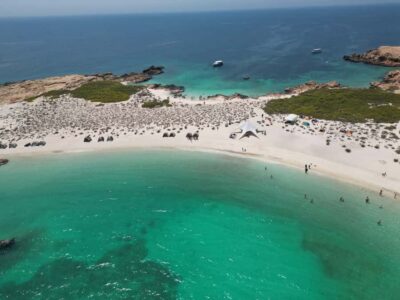
Next comes Fins Beach, also called White Sand Beach. The beach is described as white and pebbly, with unusually blue water. Again, the planned stop is about an hour and admission is free.
Do not expect a long beach day. Think of Fins as a scenic pause, useful for photographs and a short look at the coast before the more active section at Wadi Shab. The pebbles may make walking less comfortable than on fine sand, so sensible footwear helps.
Wadi Shab requires real effort
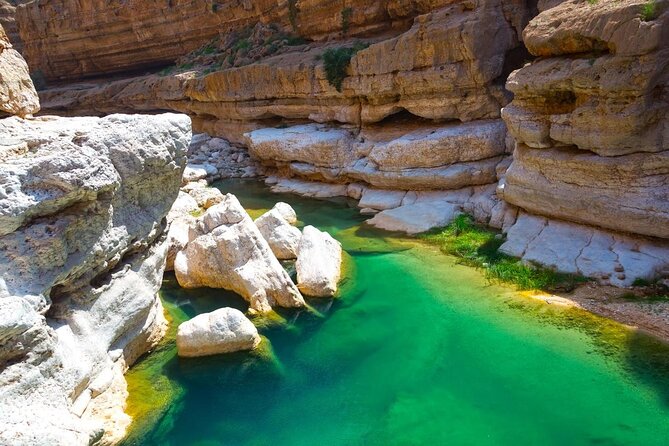
You have four hours at Wadi Shab, which is the most generous stop of the first day. The canyon is lined with palms and marked by channels cut by water flowing from the mountains. A hike of roughly 35 minutes takes you into the wadi toward clear pools.
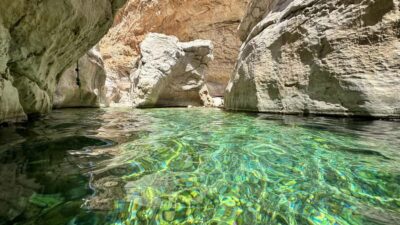
The route is rewarding because it keeps changing. You pass between rock walls, reach one pool after another, and can swim through the warm water. The final section leads to a small opening among large rocks. If conditions and ability allow, you swim through the opening into a narrow cave with a small waterfall.
That cave is the memorable payoff. Sunlight reaches the water through the rocks, giving it a blue-green glow. You should treat this as an active outing, not a simple roadside view. Bring swimwear, and remember that the admission charge is not included. The supplied details do not specify equipment rental, changing facilities, or exact entrance costs, so plan to handle those details locally.
After Wadi Shab, you stop briefly at Wadi Tiwi. The 30-minute photo stop offers a greener setting, with plantations around Tiwi village. It provides a useful contrast to the rockier feel of other wadis, but the short timing means you will not explore the area in depth.
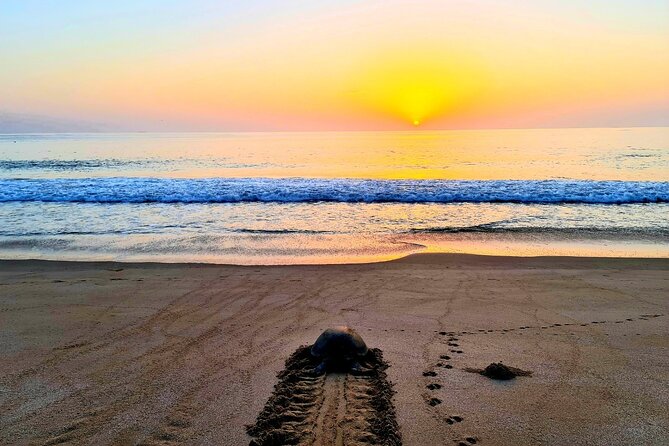
The first day ends with a drive toward Ras Al Hadd and an overnight stay at Turtle Beach Resort. The schedule allows a long block for this transfer and overnight portion. Accommodation, breakfast, bottled water, and dinner are included in the package, with two dinners listed overall.
Day two: Sur, dhow building, and Wadi Bani Khalid
After breakfast, you head to Sur, an old coastal city known here for its fortresses. The city visit lasts about an hour. This is a short introduction rather than a full historical tour, but it gives the coast a human story after the natural sights of day one.
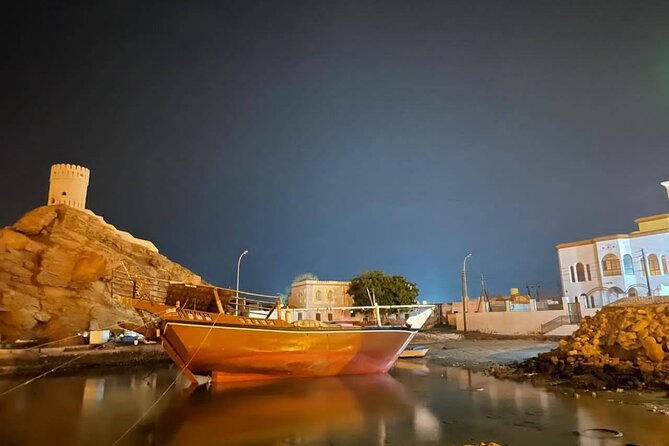
The dhow factory is one of the route’s most distinctive cultural stops. Dhows are traditional wooden boats associated with the Arabian coast, and the workshop lets you see them being built. The admission cost is not included, so keep some money available for this stop.
I particularly like this part of the schedule because it shows a living craft rather than only preserved walls. The experience notes do not promise a formal demonstration or guaranteed boat-building stage, so the exact view will depend on what work is underway when you arrive.
The next stop is an Omani Ghazal Farm at Al Kamel, also identified as Asilel Farm. You have about 30 minutes there, with no admission charge listed. It is a brief and unusual stop, adding another side of rural Oman to a day otherwise split between town, water, and sand.
A completely different sort of day from Muscat:
- Muscat: Daymaniat Islands Snorkeling Trip with Brunch
★ 4.7 · 2,317 reviews - From Muscat: Wadi Shab & Bimmah Sinkhole Full-Day Tour
★ 4.8 · 1,862 reviews - Muscat: Wahiba Desert and Wadi Bani Khalid Guided Group Tour
★ 4.8 · 820 reviews - Muscat: Half-Day Sightseeing Essentials Tour and Audio Guide
★ 4.2 · 598 reviews
Wadi Bani Khalid brings another chance to swim
Wadi Bani Khalid is described as one of Oman’s largest and most beautiful wadis. The plan allows time to swim, sunbathe, relax, or have a picnic among the canyon scenery. The supplied schedule lists three minutes for this stop, which is clearly too short for the activities described, so you should confirm the exact timing with Star Tours Oman before departure.
The important point is that this is another water-based stop, but it has a different setting from Wadi Shab. Wadi Shab feels like a walk into a canyon with a swimming finish. Wadi Bani Khalid is presented as a place to settle in, rest, and enjoy the pools and surrounding rock.
Lunch is not included. That matters most on this day, since you are moving between several stops and may want food before reaching camp. Bottled water is included, but you should still check how much is supplied for the full day, especially if you plan to swim and spend time outdoors.
Wahiba Sands after sunset

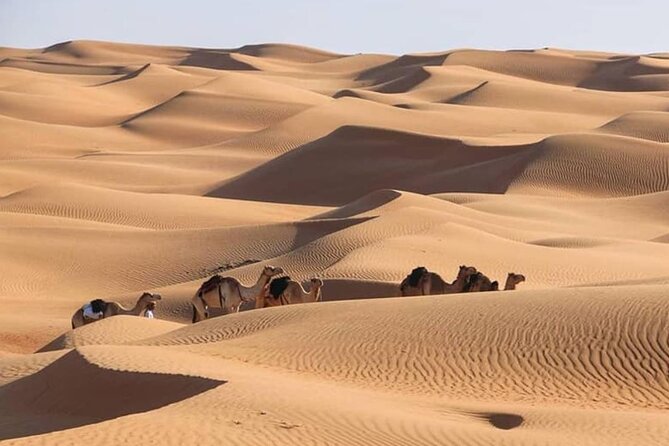
In the late afternoon, you continue to Wahiba Sands and Arabian Oryx Camp. The desert portion is one of the tour’s strongest features because it gives you time rather than just a quick drive across the sand.
You can relax at camp or choose an adventurous 4×4 drive over the dunes. The 4×4 activity is described as something you can take part in, but its price is not separately stated. Ask before booking if you want a clear total cost.
The sunset is watched from one of the large dunes. Dinner at camp and time around a campfire are included, creating a slower evening after a busy day. Sunrise from the dunes is also part of the overnight experience, so keep your phone or camera ready, but do not let photography take over the quietest part of the trip.
The desert night is romantic in tone, but the package is a private tour rather than an adults-only escape. If you are traveling with family or friends, the camp can still be a pleasant shared experience. The supplied information does not specify the tent style, bathroom arrangements, or camp facilities, so ask for those details if comfort standards matter to you.
Day three: Zukait tombs and the Green Mountain
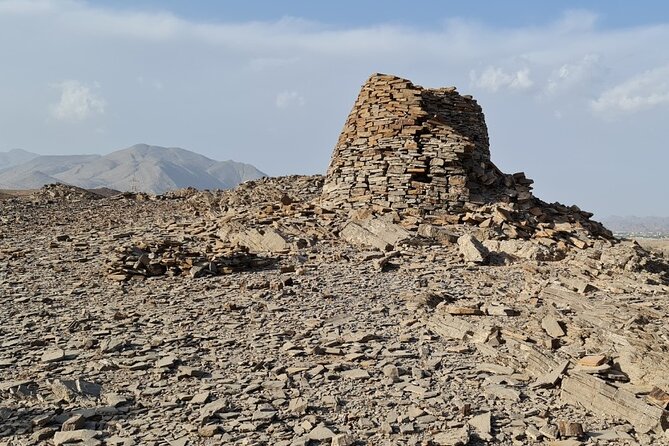
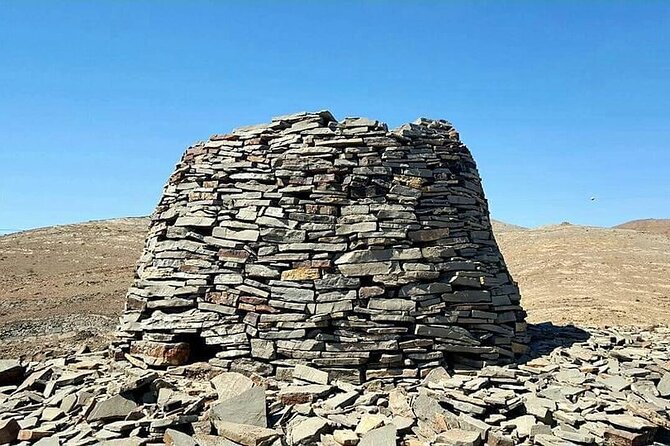
The final day begins with Zukait Tower Tombs in Izki. You have about two hours to see the well-preserved beehive tombs, which are linked to the Bronze Age and recognized as part of a UNESCO World Heritage site.
This stop adds depth to the route. After the beaches, pools, and dunes, you are looking at stone structures connected with Oman’s very early past. The tombs are not presented as a polished museum visit. Their value comes from their setting and the chance to see an archaeological site in place.
Next, the route climbs toward Jebel Akhdar, known as the Green Mountain. It forms part of the Al Hajar range and reaches about 2,980 meters, with the Saiq Plateau at roughly 2,000 meters above sea level. You have around two hours here.
The name may set up the wrong expectation if you picture thick forest. In Oman, the appeal is the change in altitude, cooler mountain setting, and views across the rocky terrain. The exact viewpoints are not specified, so your experience will depend on the route and conditions that day.
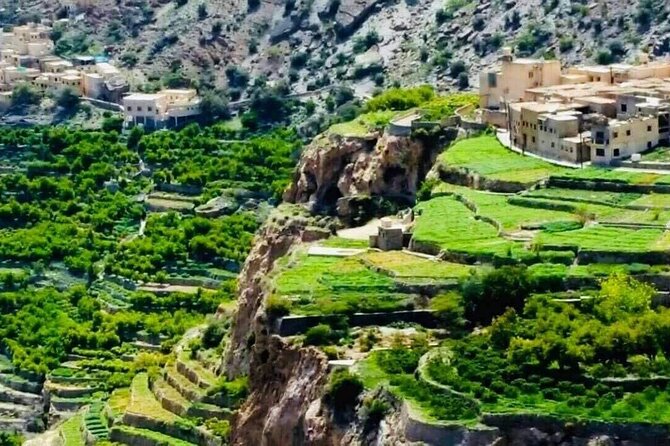
Birkat Al Mouz follows after lunch. This is a mountain village with ruins and a distinctive position against the slopes. The stop lasts about an hour and has no admission charge listed.
It is worth seeing because it connects the mountain environment with settlement. You are not simply looking at bare rock. The village and ruins show how people established homes and agriculture in difficult terrain, making this a useful bridge to the final stop.
The aflaj systems explain Oman’s water story
The last major visit is the Al Kattmyn irrigation system. Oman’s aflaj systems were added to the UNESCO World Heritage list in 2006, and Al Kattmyn is identified as one of the five systems included.
These channels matter because water is the thread running through the entire journey. At Wadi Shab and Wadi Bani Khalid, you see water gathered in natural pools. At Birkat Al Mouz and Al Kattmyn, you see how water was directed to support settlements and agriculture.
You have about an hour here before the drive back to Muscat. Since lunch is not included and the return follows a full morning of sightseeing, make sure you understand the meal plan for this day. The tour finishes at the original meeting point.
What the $849.30 price really includes
At $849.30 per person, this is not a budget bus tour. The price makes more sense if you value a private vehicle, a custom group setting, two nights of accommodation, and a route that reaches both the coast and inland Oman in three days.
Included items are breakfast, bottled water, two dinners, Turtle Beach Resort, and Arabian Oryx Camp. The private arrangement is important here. You avoid being folded into a large group and can share the experience only with your own party.
Still, the total cost will not necessarily end at the advertised price. Lunches and entrance fees are excluded. Any optional 4×4 ride in Wahiba Sands may also require extra payment, although the supplied information does not give a price.
I would compare the package with the cost of arranging separate transport, hotels, and desert accommodation. If you are already comfortable renting a car and planning Oman yourself, the premium may feel high. If you want someone else to handle the long drives and route connections, the price can be reasonable for a private three-day program.
The tour is also booked, on average, 27 days ahead. That suggests you should not leave planning until the last minute, especially if your dates are fixed.
Who should book this Oman tour?
I would choose this trip if you want variety and do not have a full week. It suits couples, families, or friends who prefer a private group and want outdoor stops mixed with culture.
You should be comfortable with long road transfers, warm conditions, walking on uneven ground, and swimming at the wadis. Wadi Shab is the clearest physical test, while the desert and mountain days add exposure to sun and changing temperatures.
This is less suitable if you want slow mornings, long stays at one beach, or detailed visits inside every fort and village. The route is broad rather than leisurely. You see many parts of Oman, but several stops are short.
The strongest parts are Wadi Shab, Wadi Bani Khalid, the dhow factory, and Wahiba Sands. The coastal and archaeological stops are valuable for context, but the water and desert experiences are likely to be the moments you remember most.
Final booking advice
Book this tour if you want Oman’s coast, wadis, desert, and mountains in one tightly planned private trip. The two overnight stays, included dinners, and return to Muscat make it practical for a short visit.
Before paying, confirm the exact schedule at Wadi Bani Khalid, the accommodation details at both properties, entrance costs, and the price of the optional 4×4 ride. Also budget separately for lunches.
If you want active scenery, traditional boatbuilding, old tombs, and a desert campfire, this is a strong three-day choice. If you prefer a slower pace or dislike swimming and rough walks, choose a less ambitious route.
FAQ
Where does the tour start and end?
The tour starts at Star Tours Oman on 18th November Street in Muscat and ends back at the same meeting point.
How long is the tour?
The experience lasts approximately three days and includes two nights of accommodation.
Is this a private tour?
Yes. Only your own group participates in the private activity.
What accommodation is included?
Accommodation is provided at Turtle Beach Resort and Arabian Oryx Camp in Wahiba Sands.
Are meals included?
Breakfast and two dinners are included. Lunch is not included.
Are entrance fees included?
No. Entrance fees are excluded from the tour price.
Can you swim during the tour?
Yes. Swimming is described at Wadi Shab and Wadi Bani Khalid. Wadi Shab includes pools and a cave section reached through the water.
What happens if bad weather cancels the tour?
The experience requires good weather. If poor weather causes cancellation, you will be offered another date or a full refund.
Newest Muscat trips on the site
- From Muscat: Nizwa & Al Hamra with Jebel Shams Night Stay★ 4.8 · 3 reviews
- Oman 3-Days 2-Night Shared Roundtrip Tour – Explore Oman’s Best★ 5.0 · 3 reviews
- Muscat trasfer: airport trasfer to/from hotel in muscat★ 5.0 · 3 reviews
- Watching Dolphins, Muscat★ 4.5 · 3 reviews
- Guided Private Tour to Wakan Village in Oman★ 5.0 · 3 reviews
- Wadi Shab full day tour (Muscat tours):Oman Shore excursions★ 4.5 · 3 reviews
- Muscat: Full-Day City and Wadi Shab Tour★ 4.3 · 3 reviews
- Muscat by Night Sightseeing Tour★ 4.8 · 3 reviews
Muscat Tours, compared.
Daymaniat Islands Snorkeling Trip with Brunch
Read our review →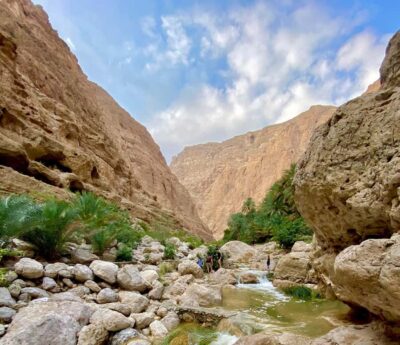
Wahiba Desert and Wadi Bani Khalid Guided Group Tour
Read our review →
Half-Day Sightseeing Essentials Tour and Audio Guide
Read our review →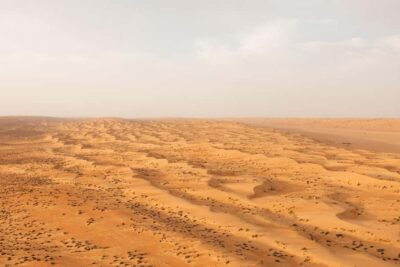

Daymaniat Islands Snorkeling Tour with Refreshments
Read our review →