
Reviewed · JEBEL AKHDAR TOURS
From Jebel Akhdar: Al Aqur Village Cultural Cart Tour
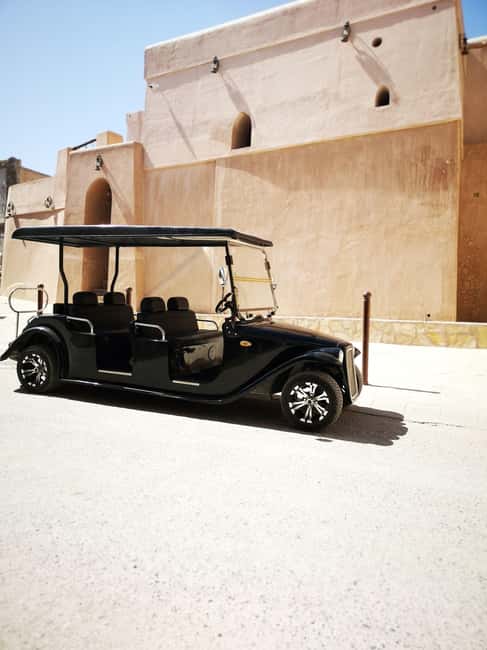
Al Aqur is the sort of place you understand better at a slow pace. This old village near Nizwa has seen civil wars, and its weathered homes, mosques, narrow lanes, and traditional water channels tell a story that a quick drive-by cannot. You ride in a classic open cart while your guide explains what you are seeing at each stop.
I like the small group of up to five, which leaves room for questions rather than a one-way speech. I also like the clear focus on everyday Omani life, especially customs, old building methods, and the falaj irrigation system. The main drawback is time: 35 to 40 minutes gives you a useful introduction, but not a long, leisurely village visit.
Key points to know before you book
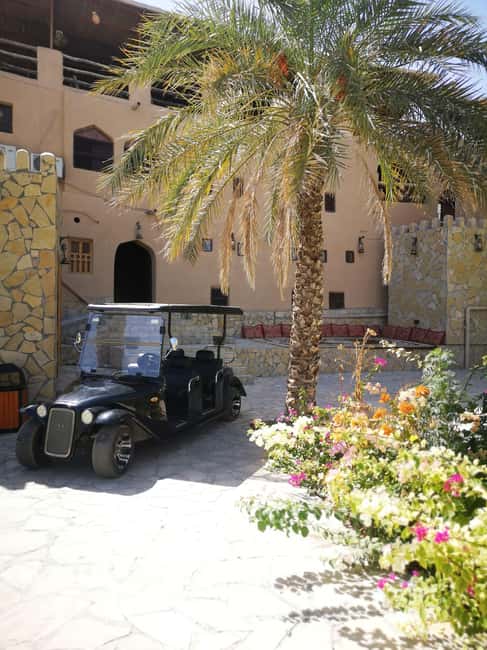
- Classic cart ride through Al Aqur: See heritage homes, old mosques, and village lanes without walking the entire route.
- A compact history lesson: Learn how Al Aqur was shaped by civil wars, local scholars, customs, and traditional life.
- Falaj irrigation explained: The guide points out Oman’s distinctive water system and explains why it mattered to village survival.
- Small group setting: With no more than five people, you can ask questions and hear the guide clearly.
- Easy for most ages: No special fitness is needed, and space is available for strollers, wheelchairs, and other belongings.
- A good short stop from Jebel Akhdar: At $19 per person, it adds local culture without taking up half your day.
A gentle ride into Al Aqur’s old quarter
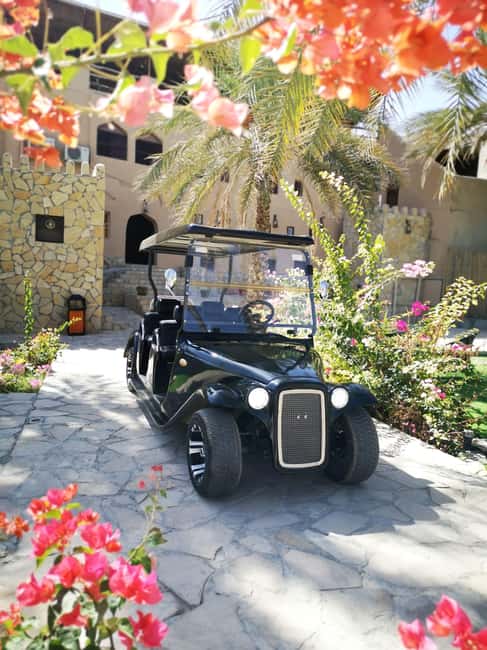
The tour begins with a classic cart ride into Al Aqur, one of the oldest historical villages in the Nizwa area. The open-door design gives you a clear view of the surroundings and makes it easy to take photographs as the cart moves between the main points of interest.
I would not expect a theme-park ride. The cart is a practical way to see the village at an unhurried speed, while the guide provides the meaning behind the buildings. That matters in a place where the most interesting details may be a small architectural feature, a mosque entrance, or a water channel that you could otherwise pass without noticing.
The ride lasts about 35 to 40 minutes. That is long enough to form a picture of Al Aqur, but short enough to fit around a visit to Nizwa or a day in the Jebel Akhdar area. The limited group size also helps. With a maximum of five participants, you should be able to hear the explanation and ask about details that catch your eye.
The guide speaks English or Arabic. The tone is intended to be calm and informative, with explanations at each stopping point rather than a rushed list of dates and names. Some tours may also use an iPad to add visual material about the town’s culture and past, which can help when the surviving walls are difficult to read on their own.
more jebel akhdar days
- From Muscat: Nizwa and Jebel Akhdar Tour with Lunch
★ 4.8 · 319 reviews - Full Day Private Nizwa/Jebel Akhdar
★ 5.0 · 205 reviews - Muscat: 4×4 Adventure Through Jebel Akhdar and Nizwa
★ 4.9 · 115 reviews
Old homes that explain more than a museum display
The heritage houses are a major reason to take the ride. You will see old residential buildings in their original village setting, not isolated behind a glass case. Their walls and layouts offer clues about how families lived, protected themselves, and adapted to Oman’s climate.
The supplied information does not promise entry into every house, so I would plan to view many of the structures from the cart and from designated stopping points. That is not a serious flaw, but it is worth knowing if you want a full interior tour. The experience is mainly a guided sightseeing ride through the old village.
Your guide explains the secrets of the old architecture, including the ways Omani homes were built and used. You will hear about customs and the older way of life, with time to ask questions at each stop. Those small explanations can make the visit more useful than simply photographing mud-brick walls.
I especially like the emphasis on daily life. Al Aqur is not presented only as a collection of old buildings. The guide connects the houses with local customs, famous Omani scholars, and the events that shaped Nizwa. That gives the village a human scale.
Mosques, local rules, and respectful photographs
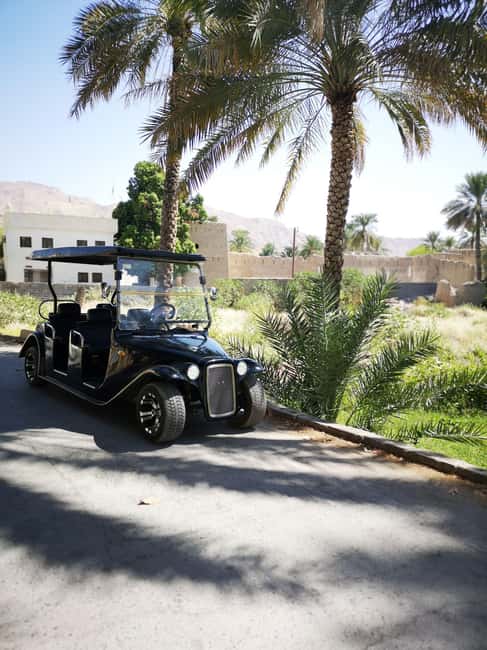
Mosques form another important part of the route. They are part of the village’s identity and help show how religion shaped the layout and rhythm of community life.
There is one clear restriction: entry to the ancient mosques is for Muslims during prayer hours only. You may still see the buildings as part of the sightseeing route, but you should follow the guide’s instructions and local customs about access.
Photography is allowed, and the cart gives you a good chance to take pictures. Still, Oman expects respectful behavior around religious sites and local people. Ask before photographing people, and pay attention when the guide explains where photography is suitable. A hat and sunscreen are sensible, especially because the ride is open rather than enclosed.
I would bring steady shoes even though the tour itself does not require a special level of fitness. You may walk briefly at stopping points, and firm footwear is more useful on old village surfaces than sandals with little grip.
The falaj system is the practical highlight
One of the most valuable parts of this experience is the explanation of Oman’s irrigation system. The guide introduces the unique falaj system, a traditional method of moving water through channels to support homes, crops, and village life.
You do not need prior knowledge to appreciate this. The key point is simple: in a dry country, reliable water management shaped where communities could grow and how they worked together. Seeing the system in its village setting helps you understand why it was so important.
The guide explains the irrigation arrangements during the ride and at the stopping points. This is one of those details that can change the way you look at the rest of your Oman trip. After hearing about the channels, you may notice how settlement patterns and cultivated areas relate to water.
The experience does not provide a long technical workshop, so do not book it expecting a detailed engineering demonstration. Instead, think of the falaj explanation as a clear introduction that connects the village’s physical layout to its survival and customs.
A completely different sort of day from Nizwa:
- From Muscat: Nizwa and Oman’s Historical Gems Tour
★ 4.7 · 403 reviews - Nizwa Fort-Nizwa Souq-Misfah Al Arbyeen-Jebel Shams – Private Full Day Tour
★ 5.0 · 220 reviews - Nizwa Heritage & Culture Full Day Tour with Audio Guiding
★ 4.3 · 213 reviews - Nizwa & Jabel Akhder (Sharing)
★ 5.0 · 197 reviews
A short history of conflict and scholarship
Al Aqur is described as one of Oman’s oldest historical villages, and its past includes civil wars. That gives the old houses and defensive-looking structures a sharper meaning. You are not simply looking at age. You are seeing a community shaped by conflict, family ties, religion, and the need to protect a valuable water supply.
The guide also talks about famous Omani scholars and Nizwa’s wider importance. This helps place Al Aqur within the cultural story of the governorate rather than treating it as an isolated stop.
I would expect the history to be selective because the tour is less than an hour. You will receive the main points and have a chance to ask questions, but anyone wanting a full account of Oman’s wars, dynasties, and religious scholarship should pair this ride with another historical visit in Nizwa.
That short format can be an advantage. The guide has to keep the information focused, and the ride gives you a quick framework before you explore more of the region on your own.
What the pace feels like in practice
The route is designed as an interactive tour. At each stop, the guide explains the site and answers questions. You are not expected to memorize a long speech while the cart rolls away.
The calm pace is useful for photographs and for looking up at the building details. It also makes the experience workable for families and older visitors who may not want a long walk through uneven lanes. The ride is suitable for all ages, with no special requirements stated.
If you have a stroller or wheelchair, storage is available for these and other belongings. The information provided does not promise that every part of the historic village is fully accessible, so I would ask the provider about the exact cart and stop arrangements if accessibility is a major concern. Still, the availability of storage and the cart format make this easier to manage than a walking-only visit.
Smoking is not allowed. That rule is straightforward and fits the setting, where the tour passes historic buildings and religious sites.
Is $19 a fair price?
At $19 per person, this is a reasonable purchase if you want context rather than just transport through an old village. The fee covers the half-hour guided tour, an English-speaking guide, and entry to Al Bustan Inn Garden.
The value comes from the explanation. You can see old houses and mosques without paying for a guide, but you may miss why the irrigation channels matter, how local customs shaped village life, and why Al Aqur’s past includes conflict and scholarship. The cart also saves energy and time.
The price is less attractive if you prefer to explore slowly on foot or want extensive access inside historic houses and mosques. Those features are not promised. You are paying for a compact guided introduction, not a full-day archaeological visit.
For a couple, family, or small group already visiting Nizwa or Jebel Akhdar, I think the cost is easy to justify. It adds a local cultural stop without requiring a major change to your day. The small group limit makes the price better than it would be for a large, impersonal ride.
Timing, meeting point, and what to bring
You should arrive at the meeting point at least 15 minutes before departure. The exact meeting point details should be confirmed when you book, especially if you are coming from Jebel Akhdar and need to coordinate a driver.
Private transport to the meeting point can be arranged for an additional charge. It is not included in the $19 price, so budget for it separately if you do not have your own transport.
Bring:
- Sunscreen
- A hat
- Steady shoes
- A phone or camera
- Respect for local customs around photographs and mosque access
The ride is open, so sun protection matters even though the activity is short. You may take pictures, but the best approach is to keep your camera ready and listen when the guide points out an architectural detail.
The booking terms are flexible. You can cancel up to 24 hours before the tour for a full refund, and you can reserve now and pay later. Starting times depend on availability, so check the schedule before building the rest of your day around it.
Who will get the most from this cart tour?
I would recommend this experience to you if you want a brief, guided look at Omani village life and prefer seeing a place with local context. It suits families, older visitors, and anyone who would rather ride than walk through every lane.
It is also a good choice for first-time visitors to Nizwa. The guide introduces customs, architecture, scholars, religious buildings, and irrigation in one compact outing. That gives you useful background for later visits around the governorate.
The tour may be less suitable if you want long time inside historic homes, extended mosque visits, or a serious specialist history lecture. The 35 to 40 minute duration sets a clear limit. You will get an engaging overview, not an exhaustive study.
The experience works especially well as part of a larger day. You can take the cart ride, visit other Nizwa sights, and continue exploring without spending all your energy at one stop.
Should you book the Al Aqur cart tour?
Book it if you value clear local explanation, a small group, and a gentle way to see an old Omani village. The strongest parts are the calm guiding style, the chance to ask questions, and the practical focus on customs, old architecture, famous scholars, and falaj irrigation.
At $19, it is good value for a short cultural experience, particularly if you are staying around Jebel Akhdar or planning time in Nizwa. Just keep your expectations in line with the duration. You will see and understand a lot in under an hour, but you will not cover every house or receive full access to every mosque.
If that sounds like the right amount of history, photography, and easy sightseeing, I would add it to your Oman plans.
FAQ
How long does the Al Aqur Village Cultural Cart Tour last?
The tour lasts about 35 to 40 minutes.
How much does the tour cost?
The price is $19 per person.
What languages does the guide speak?
The tour is available with a live guide who speaks English or Arabic.
How many people are in each group?
The tour is limited to five participants.
Can I take photographs during the tour?
Yes, photography is allowed. You should still follow local customs, especially around people and religious sites.
Can I enter the ancient mosques?
Entry to the ancient mosques is for Muslims during prayer hours only. Follow the guide’s instructions regarding access.
Newest Nizwa trips on the site
- From Muscat: Nizwa & Al Hamra with Jebel Shams Night Stay★ 4.8 · 3 reviews
- Jabl Shams with Nizwa for tours and sightseeing★ 5.0 · 3 reviews
- Oman Grand Canyon, Jebel Shams & Nizwa Full Day Tour★ 5.0 · 3 reviews
- Historical City of Nizwa★ 5.0 · 3 reviews
- Muscat: Nizwa and Al Jabal Al Akhdar Private Tour with Lunch★ 5.0 · 3 reviews
- From Muscat: Nizwa Fort, Souq, falaj & Museum Full Day Tour★ 5.0 · 3 reviews
- From Muscat : Nizwa & jabel alkhdar. Privat tour 4×4★ 5.0 · 4 reviews
- From Muscat: Full-Day to Nizwa-Misfat Al Abriyeen-Al Hamra★ 5.0 · 4 reviews
Jebel Akhdar Tours, compared.

Nizwa Fort-Nizwa Souq-Birkat Al Mouz-Jebel Akhdar – Private Full Day Tour
Read our review →
AMOUAGE: Full Day Private Trip to Nizwa and Al Jabal Akhdar
Read our review →
Private Day Trip to Nizwa, Jabal Akhdar (Green Mountain) & Birkat Al Moz
Read our review →
Browse the lists this tour appears in