
Reviewed · SALALAH TOURS
Salalah City tour
Salalah’s appeal comes into focus on this half-day outing, which links a grand mosque, a royal palace, an old market, a green spring, and a working food market. I like the mix of city and countryside, and I like that the visit to Sultan Qaboos Mosque gives you a strong first look at Dhofar’s modern Islamic character.
I also like the private format and the chance to spend time with Mohammed, the guide named in the tour details. He speaks very good Italian, explains local customs as well as sights, and can pick you up at your hotel. The main drawback is the schedule: five stops in four and a half hours means you get an overview, not long, unhurried visits.
Key points to know
- Five very different stops: See a mosque, palace exterior, traditional market, natural spring, and central food market in one morning.
- Mohammed is the named guide: He is praised for clear explanations, punctual pickup, and very good Italian.
- Private rather than shared: Only your group takes part, which can make questions and timing easier.
- Ain Razat adds greenery: The perennial spring gives the city tour a welcome outdoor break, especially during Khareef.
- No admission charges at the stops: The $60 price covers an outing where the listed destinations do not require entrance tickets.
- Plan for a fast pace: One hour is allocated to most stops, with only 30 minutes at Al Hosn Palace.
Five sides of Salalah in four and a half hours
This is a useful orientation tour for your first day in Salalah. At 9:30 am, you move through several parts of the city and nearby countryside rather than spending the entire morning in one market or museum.
The route is especially handy because Salalah does not offer a single compact old center that tells the whole story. The mosque shows present-day religious architecture. Al Hosn Palace points to the modern Omani state and royal family. Al Hafa Souq connects you with frankincense and local shopping. Ain Razat brings in the natural side of Dhofar, while the Central Market shows everyday trade.
I would not book this expecting a museum-heavy tour or a slow walking day. There are no listed interior palace visits, and the mosque, markets, and spring each receive a fairly short block of time. Instead, you get a broad first impression with transport and a local guide taken care of.
The private setup matters here. You are not adjusting your morning to a large group, and Mohammed can explain details as you move between stops. The experience is also suitable for most people, and it is near public transportation, though pickup is offered.
More City Tours in Salalah
- West Salalah Tour – Caribbean of Orient – Fazayah Beach with City
★ 5.0 · 74 reviews - Salalah City Tour: Discover the Best of Oman’s Coastal Gem
★ 4.8 · 58 reviews - Salalah City Tour with History, Culture, Souq Shopping, Halwa
★ 4.5 · 39 reviews
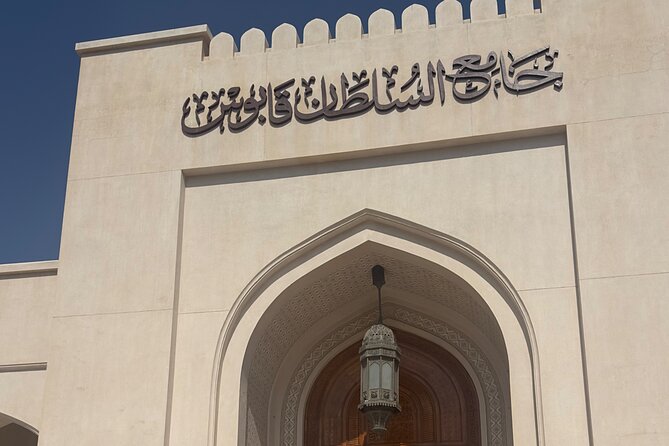
Sultan Qaboos Mosque: Salalah’s grand opening scene
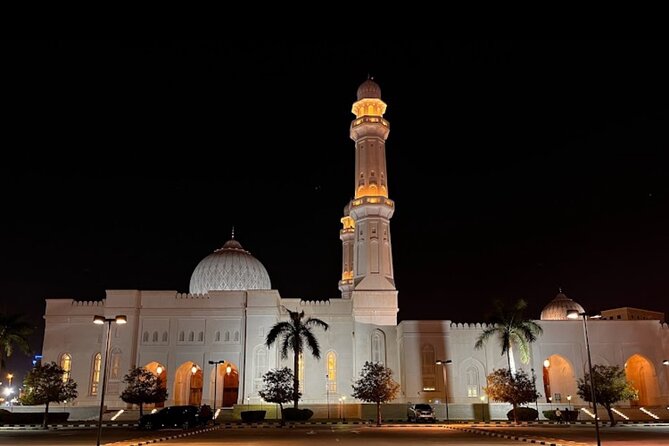
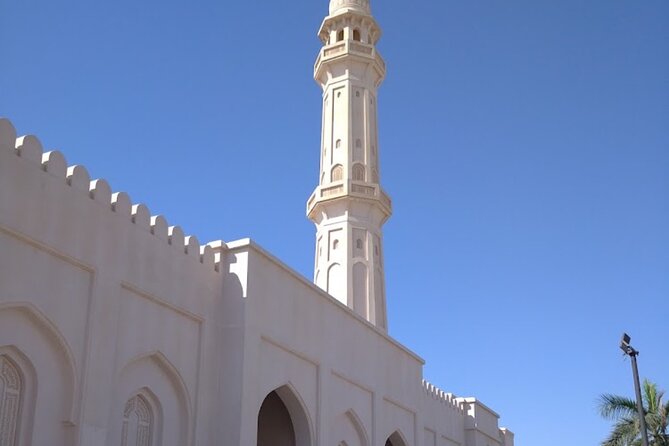
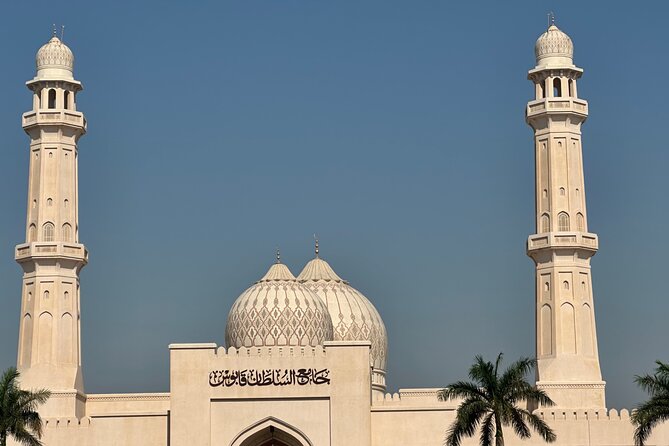
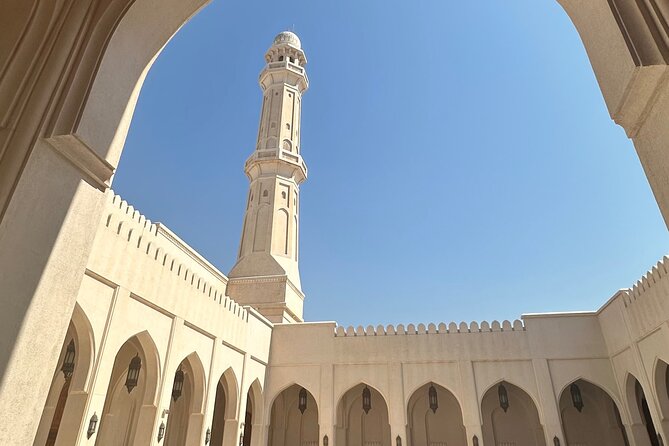
The Sultan Qaboos Mosque is the most imposing architectural stop. It is the largest mosque in Dhofar Governorate, and its design combines modern construction with Islamic forms. The central dome and two tall minarets give the building a clear shape from a distance, while the planted grounds soften the scale.
You have about an hour here, with no admission fee listed. That is enough time to appreciate the exterior, walk through the surrounding grounds if permitted, and ask Mohammed about the building and its place in Salalah.
I like beginning with this stop because it quickly corrects a common misunderstanding about Salalah. The city is known for coconut palms, frankincense, and the Khareef season, but it is also a modern regional center with strong religious and civic architecture. The mosque gives that side of the city proper attention.
Dress is an important practical point for any mosque visit, though specific clothing rules are not provided in the tour information. You should confirm current entry requirements with Ciao Salalah before booking or arriving. Since the tour is private, you can also ask the guide how much of the visit will be inside or outside.
Al Hosn Palace: an exterior look in the Haffa District
Al Hosn Palace sits in Salalah’s old city area, the Haffa District. This is the royal palace of the Sultan of Oman, surrounded by high walls and a large entrance. A clock tower marks the approach, and coconut trees in the gardens reflect Salalah’s warmer, greener character.
You spend about 30 minutes here. The palace interior is not open to the public, so this is strictly an exterior stop. From outside, you can see the gate, walls, gardens, and the upper parts of the palace domes and minarets.
That limitation is worth knowing before you pay. If you want an inside look at royal rooms, this tour will not provide it. Still, the palace makes sense as part of a city overview because it places you in the old Haffa area, close to the souq and the long association between Salalah, frankincense, and royal history.
I would use this stop for photographs and context rather than expect a major sightseeing visit. The short timing also helps keep the morning moving. After seeing the palace from outside, you are close to one of Salalah’s most useful places for shopping and people-watching.
Souq Al Hafa: frankincense, scents, and open-air shopping
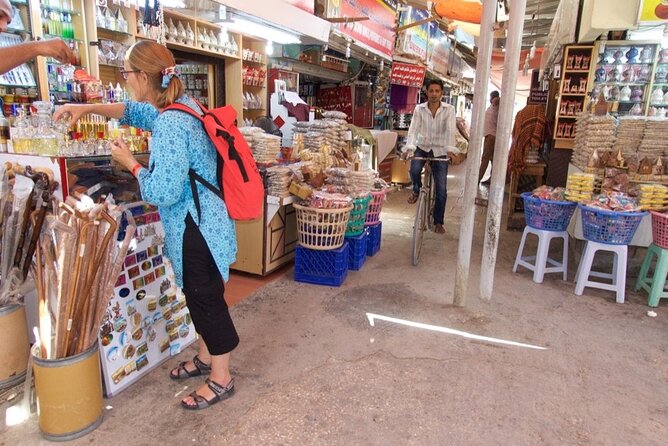
Souq Al Hafa, also called Al Haffa Souq or Al Husn Souq, is an open-air market in the old city. Unlike the covered lanes found in some Arabian markets, its shops line both sides of the streets. That layout gives the area a more open feel and makes it easy to browse without navigating a maze of tight passages.
You have about an hour here. That is enough for a first look at the stalls and for buying small gifts, but you may need to keep your shopping focused. If you stop at every display, the rest of the morning will feel rushed.
The souq is a natural place to look for frankincense, one of Dhofar’s signature products. You can also expect shops selling local items and traditional goods, though the exact stock changes. Take time to notice the smells as well as the merchandise. Incense and spices are part of what makes this market feel tied to Salalah rather than like a generic shopping center.
I would ask Mohammed for help comparing products and understanding local use. The guide is described as explaining Omani customs, not just reciting dates and names. That is useful in a souq, where the meaning of an item can matter as much as its price.
Bargaining may be part of the shopping experience, but no specific buying guidance is included in the tour details. Set a budget before you start, and do not feel pressure to purchase. The value of this stop is as much in seeing local commerce as in taking home souvenirs.
A completely different sort of day from Salalah:
- East Salalah Mountain Safari, Wadi Darbat, Beach, Camels, Dunes
★ 5.0 · 206 reviews - Salalah: Wadi Darbat, Jabal Samhan, Baobab, Mirbat Sand Dune
★ 4.6 · 178 reviews - Mountain Safari Private Tour
★ 5.0 · 105 reviews - Sunset Desert Safari Salalah Tour in Rub Al Khali – Empty Quarter
★ 5.0 · 91 reviews
Ain Razat: a green pause outside the city
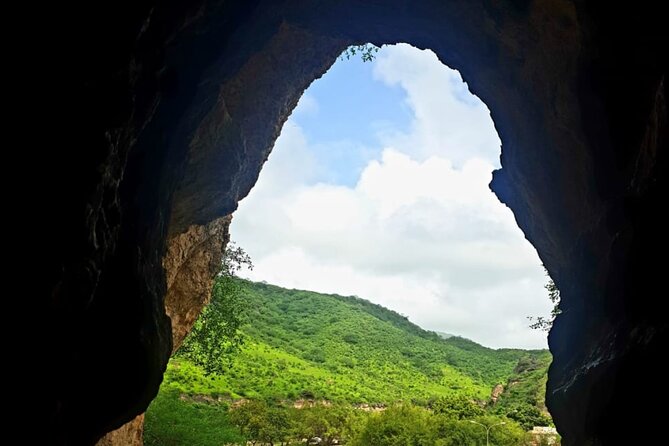
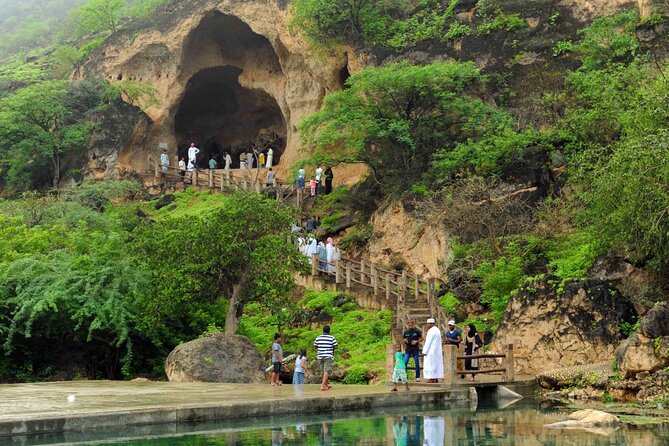
Ain Razat is a natural spring about 20 kilometers outside Salalah. Unlike seasonal water sources, it is described as perennial, with water flowing year-round into a long pool and a falaj, or traditional watercourse, that continues for several kilometers.
You have roughly an hour here. The spring area is known for old trees, greenery, and open space for relaxing. It is a good change of pace after the mosque, palace, and market. I would treat this as a short outdoor break rather than a hiking excursion, since no hiking route or organized activity is specified.
The water flow is strongest during Khareef, Oman’s monsoon season. That timing can change the feel of the visit. During the wetter season, the spring and surrounding vegetation may be at their most appealing. At other times, Ain Razat still offers a year-round water source and a quiet place to sit, but you should keep expectations measured.
This stop is particularly useful if you are seeing Salalah in a morning and have limited time. You get a taste of the natural side of Dhofar without arranging a separate trip. Bottled water is included, which is a small but welcome detail for an outdoor stop.
The tradeoff is travel time. At about 20 kilometers from Salalah, Ain Razat takes you away from the central districts. That makes the route more varied, but it also helps explain why the market visits are limited to about an hour each.
Salalah Central Market: a look at everyday trade
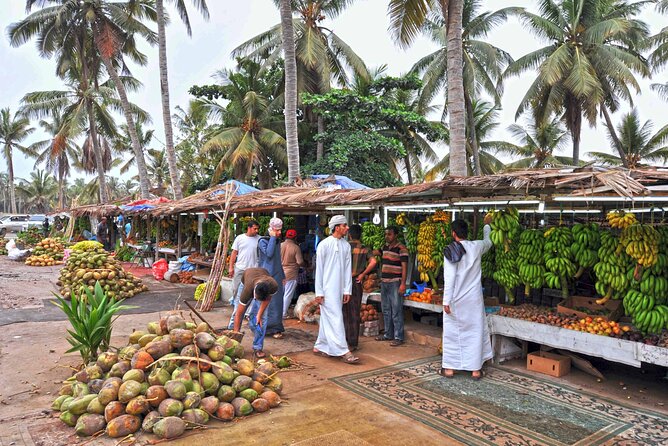
The Central Market, established in 1979, gives you a different view of Salalah from the souvenir-focused Hafa Souq. It is a working market with fresh produce, spices, herbs, traditional clothing, handicrafts, and restaurants.
The atmosphere is busy and sensory. You can expect calls from vendors, displays of colorful produce, and the smell of fruit, incense, and spices. This is where I would pay attention to ordinary details: what is being sold, how goods are arranged, and how the market serves local residents as well as visitors.
The one-hour visit is a sensible starting point, though it will not cover every section in depth. If food matters to you, ask Mohammed about the restaurants and local items you see. The tour description specifically notes that restaurants are part of the market, but it does not say that a meal is included, so plan to pay separately if you choose to eat.
This stop adds value because it keeps the tour from becoming a string of monuments. You see Salalah as a place where people shop, eat, trade, and go about their daily routines. For many visitors, that can be more revealing than another scenic viewpoint.
What Mohammed adds to the morning
The named guide for this experience is Mohammed. The information provided about him is unusually specific: he is punctual with hotel pickup, speaks very good Italian, and gives explanations about both the places visited and Omani customs.
That combination matters. A city tour can become a drive between photo stops if the guide only supplies basic facts. Mohammed’s role appears more useful in the markets and around the palace area, where context helps you understand what you are seeing.
His language ability is especially relevant if you speak Italian. The tour information does not list a full range of languages, so you should confirm your preferred language when booking. The guide has also led another desert outing for some customers, suggesting that Ciao Salalah may be able to provide a broader local point of contact, but this city tour itself should be judged by the five listed stops.
Because the activity is private, you can ask for clarification, slow down at a market, or focus on architecture and culture according to your interests. The fixed four-and-a-half-hour length still limits how much the schedule can change, but private touring gives you more room than a large coach group.
Is $60 a fair price?
At $60 per person, this is not a bargain-priced self-guided morning, but the price is reasonable if you value pickup, a private vehicle arrangement, and a guide who adds cultural explanation. The listed stops do not require paid admission, so you are mainly paying for transport, planning, and personal guiding rather than tickets.
The value improves for couples, families, or small groups who want a private outing. You are not sharing the activity with other participants, and bottled water is included. If you are traveling alone, $60 may feel less economical because the same private service is priced per person.
You should also remember what is not part of the stated inclusions. No meal, shopping budget, or special activity is included. The tour takes care of the main sightseeing structure, but any purchases at the souqs and any food at the Central Market are your responsibility.
I would compare this price with the cost and effort of hiring transport separately. You would need to arrange a route linking central Salalah, Haffa, Ain Razat, and the markets, then find someone to explain the places in a useful way. For a first visit, that convenience can justify the fee.
Timing, pickup, and the right kind of visitor
The tour begins at 9:30 am and lasts about four hours and 30 minutes. Pickup is offered, and confirmation arrives when you book. The activity is private, and most people can participate.
This timing suits you if you want a structured morning before an afternoon of independent plans. It also works well on a short stay, when you need a quick orientation before deciding where to return on your own.
The schedule may be less suitable if you want long market visits or extended time at Ain Razat. Five stops spread across 270 minutes leave little spare time once driving and transitions are counted. Think of it as a well-packed introduction, not a slow local day.
I would wear comfortable clothing and shoes, bring a little extra water despite the included bottle, and leave room in your bag for market purchases. For the mosque, confirm current dress and access rules in advance. The tour data does not provide detailed information about vehicle type, hotel coverage, or accessibility beyond saying that pickup is offered and most people can participate.
Should you book the Salalah City tour?
Book it if you want a private first look at Salalah that combines architecture, royal history, shopping, local food culture, and a natural spring. Mohammed’s punctual pickup, very good Italian, and explanations of Omani customs are strong reasons to choose this option if language and personal guidance matter to you.
Skip it if you prefer to spend a full morning at one market, expect palace interiors, or want a dedicated nature trip. Ain Razat is a one-hour stop, not a full countryside outing, and Al Hosn Palace is viewed from outside.
For most first-time visitors with only a few hours, I think the route earns its $60 price, especially for two or more people sharing a private experience. Go in expecting breadth rather than depth, and you will get a useful, well-paced introduction to Salalah.
FAQ
How much does the Salalah City tour cost?
The price is $60 per person.
How long does the tour last?
The tour lasts approximately four hours and 30 minutes.
What time does the tour start?
The stated start time is 9:30 am.
Is hotel pickup offered?
Yes. Pickup is offered, and the guide Mohammed is described as collecting customers directly from their hotel.
Is this a private tour?
Yes. Only your group takes part in the activity.
What is included in the price?
Bottled water is included. The listed destinations do not require admission payments.
Can I cancel for a full refund?
Yes. You can receive a full refund if you cancel at least 24 hours before the experience start time. Cancellations or changes made less than 24 hours in advance are not accepted for a refund.
Newest Salalah trips on the site
- Salalah: Wadi Darbat, ,Teeq Cave – Baobou Trees Tour★ 4.3 · 3 reviews
- Salalah East Adventure: Waterfalls, Mountain & Safari★ 5.0 · 3 reviews
- Salalah: Horse Riding by the Beach★ 4.4 · 3 reviews
- Elite Private Full Day Tour – Salalah Main Attractions★ 5.0 · 3 reviews
- Salalah City Tour :Salalah Tours★ 5.0 · 3 reviews
- East Salalah Adventure: Nature, History, and Scenic Views★ 5.0 · 3 reviews
- West Coast Mountains and Beaches (Fazayah beach + Shaat cliff)★ 5.0 · 3 reviews
- Half day Salalah City Tour with Souq Visit★ 5.0 · 3 reviews
Salalah Tours, compared.
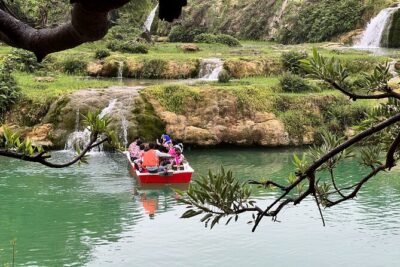
East Salalah Mountain Safari, Wadi Darbat, Beach, Camels, Dunes
Read our review →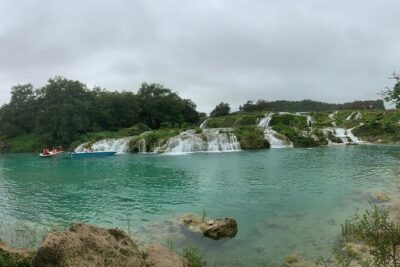
Sunset Desert Safari Salalah Tour in Rub Al Khali – Empty Quarter
Read our review →
Sunset Desert Safari – Rub Al Khali – Empty Quarter
Read our review →
West Salalah Tour – Caribbean of Orient – Fazayah Beach with City
Read our review →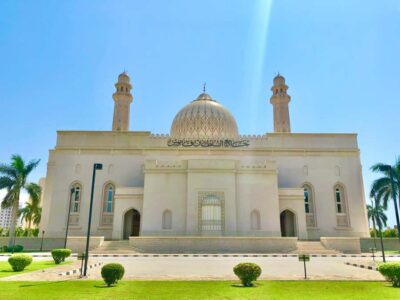
Salalah City Tour: Discover the Best of Oman’s Coastal Gem
Read our review →
Sunset desert safari tour in Salalah(private tour)
Read our review →
East & West Salalah Combination Tour – Darbat Waterfall, Mughsail
Read our review →Browse the lists this tour appears in