
Reviewed · SALALAH TOURS
Half day Salalah City Tour with Souq Visit
Salalah’s strongest story is its link to frankincense, and this four-hour private tour gives you that story in several useful chapters: the Sultan Grand Mosque, coconut and banana farms, the ruins of Al Baleed, and Haffa Souq. Guide Salem is one named guide connected with the experience, and his cultural explanations have been a highlight.
I like the mix of major sights and everyday Salalah, especially the garden farms with coconut, banana, papaya, and vegetable crops. I also like that entrance fees, bottled water, and air-conditioned transport are included. The main drawback is the tight schedule: 45 minutes at each major stop leaves little room for lingering, and the mosque visit is not available on Fridays.
- Al Baleed connects Salalah to the Frankincense Trail: Explore a UNESCO World Heritage site and the Museum of the Frankincense Land.
- The morning timing fits the mosque opening hours: The tour begins at 9:00 am, within the mosque’s visitor period from 8:30 to 11:00.
- Tropical farms add local color: See plantations of coconut, banana, papaya, and vegetables between the cultural stops.
- Haffa Souq is the place for frankincense: Shop for incense, souvenirs, and local products near Al Husn Palace.
- This is a private outing: Only your group participates, with pickup offered and group discounts available.
- Plan around Friday and the souq’s afternoon closure: Haffa Souq shops close from 1:00 to 4:30 pm, while mosque access excludes Friday.
Why Salalah’s Frankincense Story Matters
Salalah is the main city of Dhofar, a region long tied to the trade in frankincense. That fragrant resin is not simply a souvenir here. It is part of the area’s cultural and commercial identity, and Al Baleed was one of the important places connected to the old trade routes.
This tour works because it does not leave that story inside a museum. You first see Salalah’s religious center, then its farm belt, then an archaeological site and museum, and finally a souq where frankincense is still sold. The route gives you different views of the city without asking you to commit a full day.
You should expect a practical city introduction rather than a slow, specialized archaeological tour. Four hours is enough to get your bearings and see the main highlights, but not enough for every display, ruin, shop, or photo opportunity.
Starting at the Sultan Grand Mosque
The tour starts at 9:00 am, which is well suited to the Sultan Grand Mosque’s visiting hours. The mosque welcomes visitors in the morning from 8:30 to 11:00, except on Friday, so the schedule gives you a reasonable window without forcing an especially early start.
The building is known for its artwork and stained tiles. Even if you have seen other grand mosques in Oman, this stop gives you a direct look at Salalah’s religious architecture and offers useful context for the city before you move on to older sites.
Dress rules matter here. Women should bring a headscarf or similar covering, and everyone should dress modestly. Shorts and sleeveless tops are not permitted. Pack the right clothing before pickup, since a missed mosque visit would remove one of the tour’s central sights.
The mosque is also the stop most affected by the calendar. If your tour falls on Friday, confirm the plan before booking, since the stated visiting hours exclude that day. A different date may be the better choice if the mosque is important to you.
More City Tours in Salalah
- West Salalah Tour – Caribbean of Orient – Fazayah Beach with City
★ 5.0 · 74 reviews - Salalah City Tour: Discover the Best of Oman’s Coastal Gem
★ 4.8 · 58 reviews - Salalah City Tour with History, Culture, Souq Shopping, Halwa
★ 4.5 · 39 reviews
Coconut, Banana, and Papaya Farms
After the mosque, the route moves into Salalah’s garden farms. You can expect plantations of coconut, banana, papaya, and vegetables, a useful change from the formal architecture and archaeological remains.
This part of the outing helps explain why Salalah feels different from the dry setting many people associate with Oman. The farms are not presented as a long agricultural tour, but they give you a quick look at local food production and the plant life that supports the area.
I like this stop because it makes the day feel less like a checklist of monuments. You get a glimpse of working Salalah, not just its grand buildings and preserved ruins. Still, the supplied details do not promise a farm walk or a tasting session, so think of it as a scenic and cultural pass through the plantations.
Walking Through Al Baleed’s Ruins
Al Baleed Archaeological Site is the tour’s main historical stop. It is a UNESCO World Heritage site and one of the four routes on the Frankincense Trail, which gives the ruins importance far beyond their appearance on the ground.
The site preserves Salalah’s connection to maritime trade and the movement of frankincense. You can expect archaeological remains, open spaces, and a sense of how the old settlement fitted into the wider trade network. The visit lasts about 45 minutes, and admission is included.
That time is useful for a first look, but it is not generous if you want to study every ruin or take many photographs. I would keep your expectations realistic: this is an introduction to Al Baleed, not an all-day archaeological visit. Listen closely to the guide, since the wider meaning of the site is easier to grasp with explanation than by looking at stones alone.
The opening hours vary by day. Al Baleed is open from 8:30 am to 8:00 pm Sunday through Thursday, and from 3:00 pm to 8:00 pm on Friday and Saturday. Since the tour begins in the morning, the listed schedule fits best from Sunday through Thursday. Check the exact day when planning, particularly if your trip includes a Friday or Saturday.
The Museum of the Frankincense Land
The Museum of the Frankincense Land adds indoor context to the ruins. Its displays cover Dhofar’s archaeological and cultural past, the area’s maritime tradition, and artifacts that help explain daily life in earlier civilizations.
A 45-minute visit is a sensible amount of time for a focused introduction. The museum gives you the facts and objects that an outdoor site cannot always provide, while Al Baleed gives the subject a physical setting. Taken together, the two stops make the frankincense theme much clearer.
I especially like the pairing because you are not asked to understand the trade route from a single display or a brief shopping stop. You see the archaeological setting, then examine objects and information connected with the region. The limitation is again time. If you read every label carefully, you may need to choose between a slower museum visit and more time at the souq.
Admission to the museum is included, along with the Al Baleed entrance fee. That matters when judging the $120 price, since two paid cultural sites are already part of the package rather than being added at the end.
more souq wandering in Salalah
- Nizwa Fort-Nizwa Souq-Misfah Al Arbyeen-Jebel Shams – Private Full Day Tour
★ 5.0 · 220 reviews - Nizwa Fort-Nizwa Souq-Birkat Al Mouz-Jebel Akhdar – Private Full Day Tour
★ 5.0 · 80 reviews - Private Historical Tour – Nizwa Fort – Nizwa Souq – Bahla Fort – Jabreen Castle
★ 5.0 · 73 reviews - Amouage & Nizwa Full-Day Tour: Fort, Souq & Barakat Al Mouz
★ 5.0 · 23 reviews
Shopping at Haffa Souq
The final major stop is Souq Shati Al Hafa, also called Haffa Souq. This is where the tour’s frankincense theme becomes practical. You can browse local products, incense, souvenirs, and different types of frankincense.
The souq is a better place to buy frankincense than a generic airport shop because the setting connects the product with Salalah’s local identity. You can look at the goods, compare what catches your eye, and ask your guide for help understanding what you are buying.
The timing needs attention. Shops are closed from 1:00 to 4:30 pm, but a 9:00 am start should place the tour well before that closure. The 45-minute stop is enough for a quick browse and a few purchases, though you should not expect the relaxed pace of a dedicated shopping trip.
The itinerary also includes a photo stop at Al Husn Palace. You should treat this as an exterior viewing and photograph opportunity, not as a palace interior visit. It adds a recognizable Salalah landmark without taking a large part of the morning.
What the Private Format Changes
This is a private tour, so only your group participates. That is a meaningful benefit for a four-hour route with several timed stops. You can ask questions directly, keep the group together, and avoid waiting for strangers at every departure point.
The private setup may also help at the mosque and museum, where a short explanation can make the visit more useful. Salem is one named guide associated with the experience, and his cultural insights have been specifically praised. The supplied feedback also points to helpful local information and insider tips, which is exactly the sort of value you want from a city introduction.
The tradeoff is price. At $120 per person, this is not the cheapest way to see Salalah, especially for one person. But the value improves for a small group because the vehicle, guide, bottled water, and included admissions are arranged around your party rather than a large shared schedule. Group discounts are available, so ask about them if you are booking for several people.
Pickup is offered, and transport is by air-conditioned vehicle. That is useful in Salalah’s warm conditions and keeps the route simple. An additional $45 per person applies from Mirbat hotels, so your starting location can change the final cost.
Who Gets the Most From This Morning
I would recommend this tour to you if you want a broad first look at Salalah and prefer a private vehicle to arranging several stops yourself. It suits couples, families, and small groups who want culture, shopping, architecture, and local agriculture in one compact outing.
It is also a good fit if frankincense is high on your list. Al Baleed, the museum, and Haffa Souq give you three different ways to understand the product: its trade setting, its historical context, and its place in modern shopping.
Families can participate, and most people can take part. If you bring a stroller, it must be foldable, and you should advise the operator in advance. The tour does not list a special accessibility program, so anyone with specific mobility needs should confirm the details before paying.
You may prefer a different plan if you want long museum visits, extended souq shopping, or a relaxed photo day. The 45-minute blocks keep the morning moving. That is helpful for first-time sightseeing, but it can feel brisk if you enjoy reading every panel or browsing every shop.
Timing, Clothing, and Cost
Start at 9:00 am and allow about four hours. Wear modest clothing for the mosque and bring a headscarf if needed. Bottled water and an air-conditioned vehicle are included, but lunch is not, so plan to eat before or after the tour.
The $120 per-person price should be judged as the cost of a private experience, not simply a ticket to four attractions. You are paying for transport, a guide, scheduling, water, and admission to Al Baleed and the Museum of the Frankincense Land. For a group that can use the private format and any available discount, the arrangement can be sensible.
For a solo participant, the price is harder to justify unless convenience and private guiding matter more than saving money. The extra $45 per person from Mirbat hotels also deserves attention when comparing options.
Free cancellation is available if you cancel at least 24 hours before the start time. Changes or cancellations made less than 24 hours ahead are not accepted for a refund. The tour also requires good weather, and a weather cancellation brings an alternative date or a full refund.
Should You Book the Salalah City Tour?
Book it if you want Salalah’s key cultural sights in one efficient morning, especially if you care about frankincense and prefer a private guide. The combination of the Sultan Grand Mosque, tropical farms, Al Baleed, the museum, and Haffa Souq gives you a useful first picture of the city.
Before booking, check three things: your hotel location, the day of the week, and your clothing for the mosque. Avoid Friday if the mosque is essential, allow for the Mirbat surcharge if it applies, and remember that the souq stop is short.
I would choose this tour early in a Salalah stay. It gives you enough context to make later independent visits more rewarding, while the private format and guide Salem’s cultural explanations add value that a simple taxi circuit would miss.
FAQ
How long is the Salalah City Tour?
The tour lasts approximately four hours.
What time does the tour start?
The stated start time is 9:00 am.
Is hotel pickup offered?
Yes, pickup is offered. An additional $45 per person applies from Mirbat hotels.
Is this a private tour?
Yes. Only your group participates in the activity.
Is admission to Al Baleed included?
Yes. Entrance to the Al Baleed Archaeological Site is included.
Is the Museum of the Frankincense Land included?
Yes. Admission to the Museum of the Frankincense Land is included.
Can I visit the Sultan Grand Mosque on Friday?
No. The stated visiting period is 8:30 am to 11:00 am every day except Friday.
What should women wear for the mosque?
Women should bring a headscarf or equivalent hijab. Modest clothing is required, and shorts and sleeveless tops are not permitted.
Are shops open at Haffa Souq all day?
No. The shops are closed from 1:00 pm to 4:30 pm.
Is lunch included?
No. Lunch is not included in the tour price.
Newest Salalah trips on the site
- Salalah: Wadi Darbat, ,Teeq Cave – Baobou Trees Tour★ 4.3 · 3 reviews
- Salalah East Adventure: Waterfalls, Mountain & Safari★ 5.0 · 3 reviews
- Salalah: Horse Riding by the Beach★ 4.4 · 3 reviews
- Elite Private Full Day Tour – Salalah Main Attractions★ 5.0 · 3 reviews
- Salalah City Tour :Salalah Tours★ 5.0 · 3 reviews
- East Salalah Adventure: Nature, History, and Scenic Views★ 5.0 · 3 reviews
- West Coast Mountains and Beaches (Fazayah beach + Shaat cliff)★ 5.0 · 3 reviews
- Jebel Safari – Tour della montagna★ 5.0 · 3 reviews
Salalah Tours, compared.
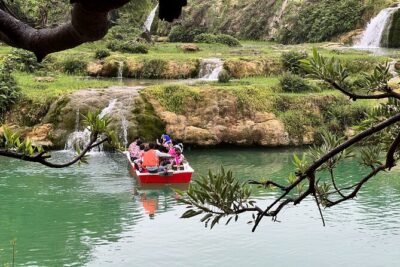
East Salalah Mountain Safari, Wadi Darbat, Beach, Camels, Dunes
Read our review →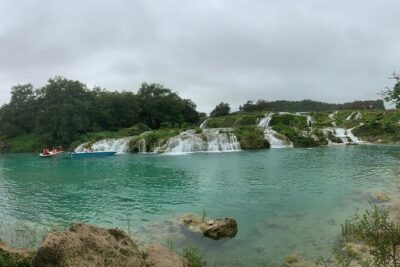
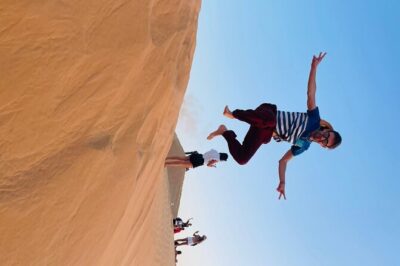
Sunset Desert Safari Salalah Tour in Rub Al Khali – Empty Quarter
Read our review →
Sunset Desert Safari – Rub Al Khali – Empty Quarter
Read our review →
West Salalah Tour – Caribbean of Orient – Fazayah Beach with City
Read our review →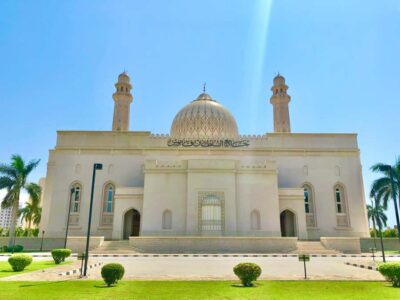
Salalah City Tour: Discover the Best of Oman’s Coastal Gem
Read our review →
Sunset desert safari tour in Salalah(private tour)
Read our review →
East & West Salalah Combination Tour – Darbat Waterfall, Mughsail
Read our review →Browse the lists this tour appears in