
Reviewed · SALALAH TOURS
Desert Sunset Tour VisitSalalah
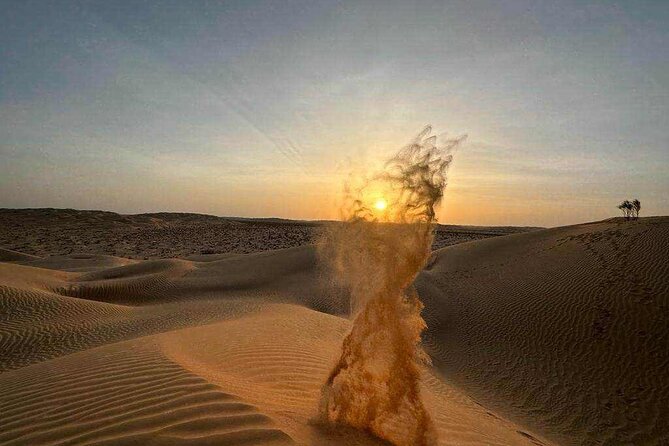
Rub Al Khali is the main event here: a vast sweep of sand where the sunset can fade into a superb night sky. Before reaching the desert, you visit Wadi Dawkha, home to one of the region’s largest collections of naturally grown frankincense trees.
I like the private 4×4 setup and the chance to travel with an Omani guide such as Mohammed, who explains local customs, culture, politics, and daily life as you go. I also like the mix of frankincense country and open desert, rather than spending the whole day on sand. The tradeoff is distance: with travel time included, this is a long seven-hour outing, and dinner is not part of the price.
Key points to know before booking
- Wadi Dawkha comes first: Visit a UNESCO World Heritage site tied to Oman’s famous frankincense trade.
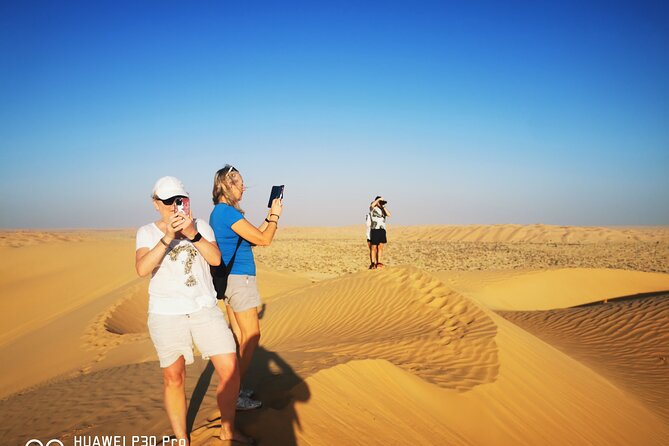
- The Empty Quarter supplies the drama: Rub Al Khali offers wide desert views, sunset from the dunes, and clear conditions for stargazing.
- Mohammed gets especially strong praise: He is described as open, witty, patient, and willing to answer questions about Oman well beyond the sights.
- A private 4×4 keeps the day comfortable: Pickup and drop-off are available from your hotel, airport, or seaport.
- Expect a full day on the road: The advertised duration is about seven hours, including driving between stops.
- Dinner costs extra: Plan ahead if you want a meal after sunset or ask Visit Our Salalah about available dinner choices.
Why this Salalah desert outing works
Salalah is often associated with green hills and seasonal rain, but its northern edge leads toward one of Earth’s most severe deserts. This tour links those two sides of the region in one outing. You begin with frankincense trees, then move toward the pale, dry expanse of the Rub Al Khali, also called the Empty Quarter.
That change of scenery gives the day a useful rhythm. Wadi Dawkha is about plants, trade, and the long human story of frankincense. Rub Al Khali is about scale, silence, sand, and the evening light. I prefer this pairing to a simple sunset drive because you get some cultural context before the big desert view.
The tour uses a private 4×4 and accepts a maximum of seven people. That matters in Salalah, where the desert portion is far from a quick city excursion. You have a more personal ride than you would in a large bus, and the guide can respond to your questions as the day unfolds.
The experience is led by Omani guides. That is valuable here. You are not only looking at a famous desert or a heritage site, you are hearing about Oman from someone who lives within the culture. Mohammed is the guide most closely associated with the strongest praise for the experience, particularly for his humor, patience, and broad answers about Omani life.
more half-days around Salalah worth comparing
- Sunset Desert Safari Salalah Tour in Rub Al Khali – Empty Quarter
★ 5.0 · 91 reviews - Salalah: Sunset Desert Safari – Rub Al Khali – Empty Quarter
★ 4.6 · 79 reviews - Sunset desert safari tour in Salalah(private tour)
★ 5.0 · 58 reviews
Wadi Dawkha and the frankincense trees
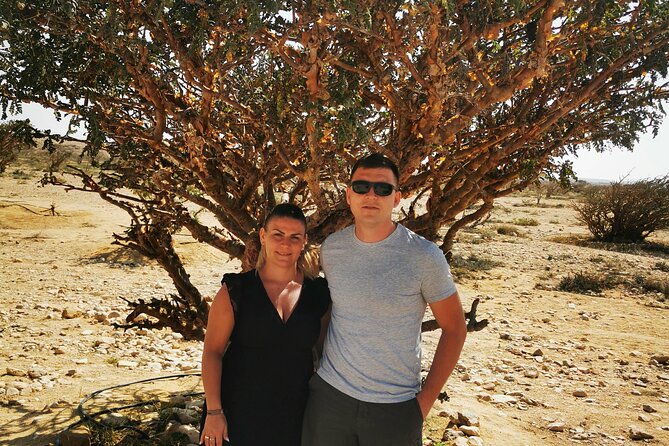
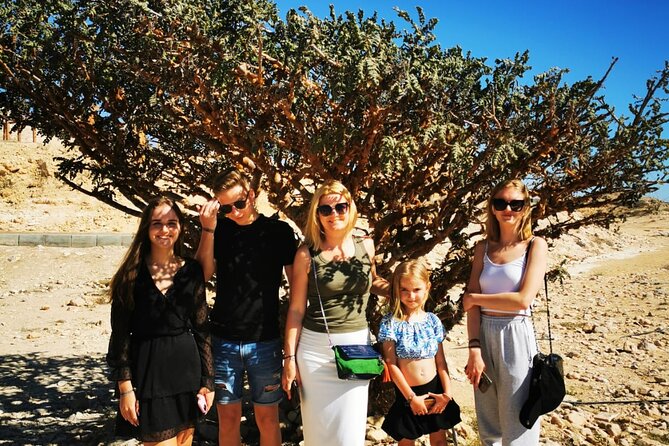
The first stop is Wadi Dawkha, a UNESCO World Heritage site also known as the Frankincense Trees. The area contains the largest collection of naturally grown frankincense trees in the region, making it much more than a brief photo stop.
Frankincense has been used for centuries in religious ceremonies, traditional practices, and trade. At Wadi Dawkha, you can learn how the trees connect Salalah with a wider network of commerce and culture. The tour also covers modern uses of frankincense, which helps keep the visit from feeling like a lesson trapped in the past.
The trees themselves are not giant forest trees. Expect hardy, widely spaced plants adapted to dry conditions. Their gnarled shapes and pale trunks suit the setting, and the stop gives you a close look at a plant that helped put southern Oman on the map.
The planned time here is about four hours, although the total tour remains approximately seven hours because driving is included in that overall figure. The long allocation suggests that Wadi Dawkha is intended as a substantial part of the day, not a ten-minute roadside pause.
I like starting here because it gives the desert its proper context. The Rub Al Khali may look empty, but this region has long been connected to people, trade routes, animals, and valuable natural products. Frankincense offers an easy way to understand that connection.
Crossing toward Rub Al Khali
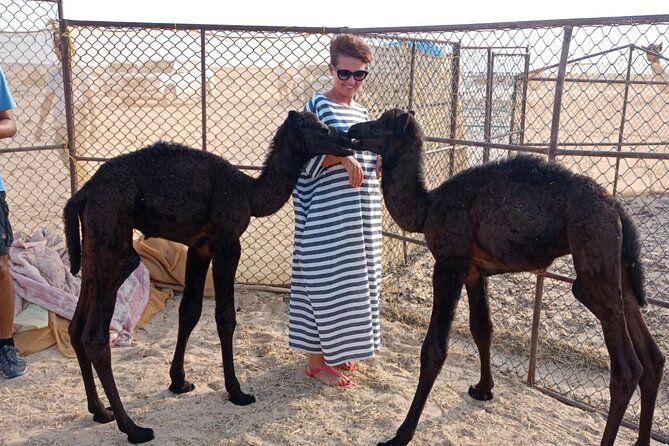
After Wadi Dawkha, the route continues toward Rub Al Khali. The name means Empty Quarter, and the description is apt: this is an enormous sandy plain extending from the mountain foothills across much of the area.
The journey is part of the experience, not dead time. You leave the frankincense country behind and move into a much more spare setting. The road distance is significant, so an early start is sensible. One piece of direct practical advice is to allow plenty of time for pickup and departure, since the route can involve a lot of driving before the sunset stop.
Your 4×4 is important on this kind of outing. It provides the vehicle suited to the desert route and gives you a private ride rather than placing you in a large group. The maximum group size is seven, so the feel should be relatively small, though the exact number in your vehicle depends on the booking.
The Empty Quarter is also known for archaeological sites. The tour information does not promise a particular excavation or ruin, so you should not book this expecting a formal archaeology tour. Instead, think of the archaeological note as part of the region’s wider importance and ask the guide what can be seen on your particular route.
Sunset on the Empty Quarter
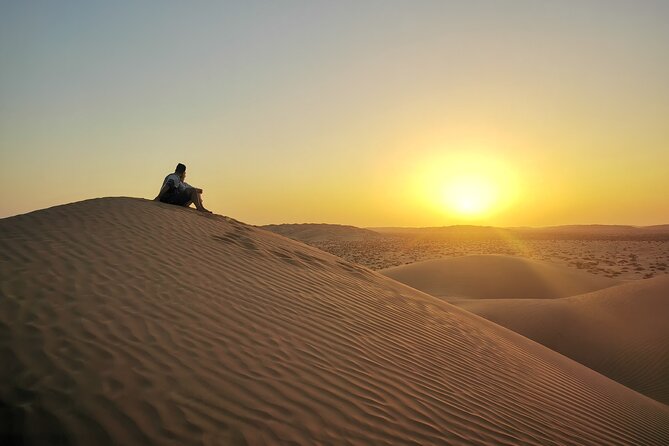
The sunset is the emotional center of the afternoon. The desert’s open horizon gives the sun room to drop without buildings, trees, or city glare getting in the way. As the light changes, the dunes and sand can take on different shades, and the view becomes less about individual sights and more about the sheer openness around you.
That openness is why the Rub Al Khali portion earns its place in a Salalah itinerary. You are not simply checking off another attraction. You are given time to notice how quiet and spare the setting feels.
Several details make this stop especially appealing. The guide can help you find a good place to watch the sunset, the 4×4 gives access to the desert setting, and the late timing may lead naturally into stargazing. The night sky has been singled out as a major part of the experience, with excellent conditions once the sun is down.
Still, keep expectations practical. A desert sunset depends on weather and timing, and the tour requires good weather. Clouds or poor conditions can affect the view, and Visit Our Salalah may offer another date or a full refund if the outing is canceled for that reason.
You also need to dress for a changing evening. The information provided does not specify clothing or equipment, so bring sensible sun protection for the daytime and something comfortable for sitting or waiting after sunset. Since dinner is excluded, carry whatever personal refreshments you need unless you arrange food separately.
A completely different sort of day from Salalah:
- East Salalah Mountain Safari, Wadi Darbat, Beach, Camels, Dunes
★ 5.0 · 206 reviews - Salalah: Wadi Darbat, Jabal Samhan, Baobab, Mirbat Sand Dune
★ 4.6 · 178 reviews - Mountain Safari Private Tour
★ 5.0 · 105 reviews - West Salalah Tour – Caribbean of Orient – Fazayah Beach with City
★ 5.0 · 74 reviews
The guide makes the difference
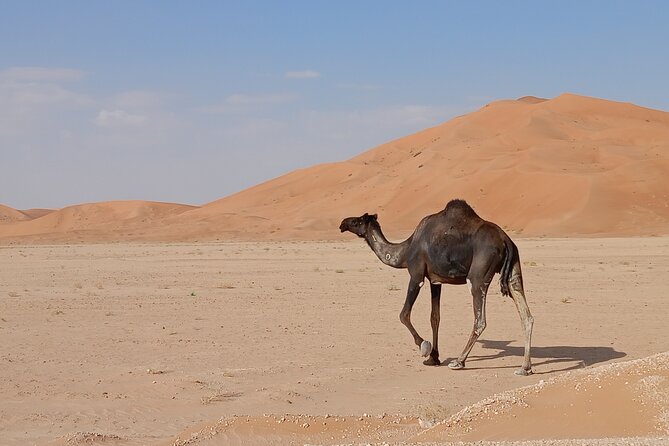
A desert trip can be reduced to a vehicle ride and a photo stop. Here, the guide is intended to add the human side of the day. Mohammed is repeatedly praised for being friendly, open-minded, witty, and patient with questions. That matters if you want more than a drive through sand.
You can ask about culture, traditions, customs, the economy, politics, and ordinary Omani life. Those subjects are not listed as formal stops, but the guide’s role allows the day to become a conversation as well as a sightseeing trip.
The strongest praise centers on Mohammed’s ability to explain things clearly and keep the mood relaxed. He is also described as highly educated and cultivated, with a strong feel for the dunes. That combination is useful: you get someone who can discuss Oman beyond surface facts and also handle the desert setting itself.
Guides are Omani, which gives the experience a local point of view. No guide can represent every Omani experience, of course, but you can expect explanations shaped by local knowledge rather than a generic script. If having Mohammed specifically is important to you, ask Visit Our Salalah about guide availability when you book.
The guide also helps with comfort. One account notes a long pickup from a hotel and a return drop-off, along with timely service and a newer, comfortable vehicle. These details are not glamorous, but they matter on a seven-hour trip.
Price and what the $140 covers
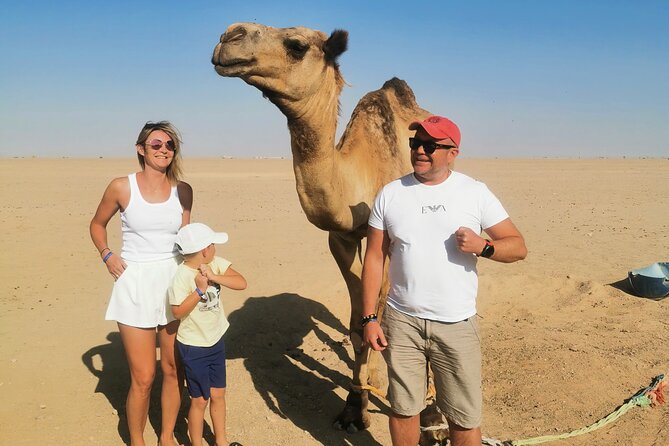
At $140 per person, this is not the cheapest way to see a sunset near Salalah. The value depends on how much you want from the day. You are paying for roughly seven hours, private 4×4 transportation, pickup and drop-off, an Omani guide, Wadi Dawkha, and the Rub Al Khali outing.
The price makes more sense if you do not have your own suitable vehicle or if you want the guide’s cultural explanation. It also saves you from arranging transport between two very different areas. For a small group of up to seven, the private format can be a fair deal, especially when the transfer time is long.
The price does not include dinner. That is the clearest extra cost to plan for. A typical-food dinner has been associated with this experience, but it is not part of the basic package, so ask Visit Our Salalah about current options and pricing rather than assuming a meal is included.
I would compare this tour with a simple dune transfer by asking one question: do you want context and conversation, or only the sunset? If you want the former, Wadi Dawkha and the local guide add real value. If your only goal is a quick desert photograph, seven hours and $140 may feel like too much.
Transport, timing, and the real pace of the day
Pickup is offered from your hotel, airport, and seaport in Salalah. The stated starting point is Salalah, Oman, and transport time is already included in the total duration. Confirmation is received when you book.
The planned stops account for four hours at Wadi Dawkha and three hours at Rub Al Khali, though those figures should be read alongside the note that travel time is included in the total duration. In other words, the day involves meaningful time in the vehicle. Do not schedule a tight evening appointment after the tour.
The long drive is both the main drawback and part of the appeal. You need time to reach the Empty Quarter, but the distance helps you see the region change. Bring patience, especially if you are joining during a busy period or arranging pickup from a location far from central Salalah.
The group limit of seven keeps the outing from becoming a convoy. It also means this can work well for a family group, couples, or friends who want a shared desert day without a large coach. Most people can participate, according to the provided information, but anyone with special needs should confirm details with the provider before booking.
Who will enjoy this experience most
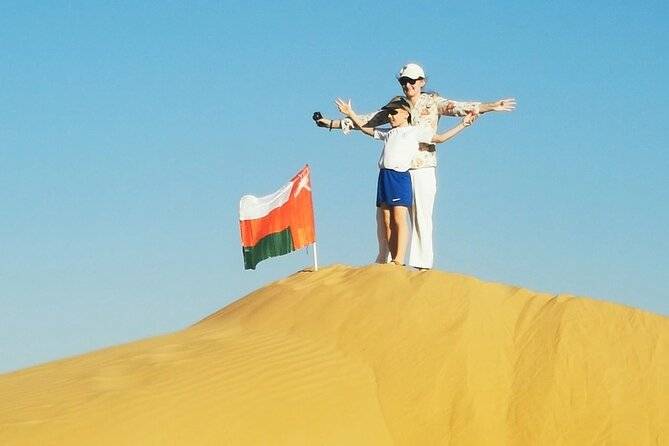
I would recommend this tour to you if you want a full Salalah day built around nature, culture, and a dramatic sunset. It suits people who enjoy asking questions and learning about local life as much as taking photographs.
It is also a good choice if you have limited time in southern Oman and want to combine two major settings in one outing. Wadi Dawkha gives you a heritage stop, while Rub Al Khali supplies the desert scale. The two together feel more complete than either one alone.
Families and small groups may appreciate the private 4×4 and hotel pickup. Couples who want sunset and stars will find the timing attractive, though they should remember that this is an excursion with considerable driving, not a short romantic transfer.
I would be more cautious if you dislike long road journeys, want a packed schedule of many different attractions, or need dinner included. The day is focused rather than varied: frankincense trees, desert travel, dunes, sunset, and possibly stars. That focus is a strength for some people and a limitation for others.
Booking advice and cancellation terms
The tour is often booked about 10 days ahead, so I would not leave it until the last minute if your Salalah dates are fixed. That is especially true if you want to request Mohammed or need a particular pickup arrangement.
Free cancellation is available if you cancel at least 24 hours before the start time. Cancellations or changes within 24 hours are not refunded or accepted. Since good weather is required, a cancellation made by the operator because of conditions brings an alternative date or a full refund.
Confirm the dinner situation before you pay for extras. Dinner is not included in the standard price, and the basic package is best viewed as transport, guiding, Wadi Dawkha, and the Rub Al Khali sunset outing.
Should you book the Desert Sunset Tour?
Book it if you want the Empty Quarter to be more than a backdrop. The combination of Wadi Dawkha, a private 4×4, an Omani guide, sunset, and starry skies gives you a strong introduction to the desert side of Salalah.
The best reason to choose it is the guide-led perspective, especially if Mohammed is available. His role can turn a long drive into a useful conversation about Oman, its traditions, and daily life. The main caution is the distance and the extra cost of dinner.
For a seven-hour experience at $140, I see good value for visitors who would otherwise need to arrange a suitable vehicle and guide separately. If you want only a short sunset stop, choose something simpler. If you want a full, local-led day that connects frankincense country with the Empty Quarter, this is a sensible Salalah booking.
FAQ
Where does the Desert Sunset Tour start?
The tour starts in Salalah, Oman. Pickup and drop-off are offered from hotels, the airport, and the seaport.
How long does the tour last?
The experience lasts approximately seven hours. Travel time is already included in the total duration.
What places do I visit?
You visit Wadi Dawkha, a UNESCO World Heritage site known for its naturally grown frankincense trees, and Rub Al Khali, also called the Empty Quarter.
Is transportation included?
Yes. Transport is provided by private 4×4 car, with pickup and drop-off available from your hotel, airport, or seaport.
Is dinner included?
No. Dinner is not included in the $140 price per person.
What happens if bad weather cancels the tour?
The experience requires good weather. If Visit Our Salalah cancels because of poor conditions, you will be offered a different date or a full refund.
Newest Salalah trips on the site
- Salalah: Wadi Darbat, ,Teeq Cave – Baobou Trees Tour★ 4.3 · 3 reviews
- Salalah East Adventure: Waterfalls, Mountain & Safari★ 5.0 · 3 reviews
- Salalah: Horse Riding by the Beach★ 4.4 · 3 reviews
- Elite Private Full Day Tour – Salalah Main Attractions★ 5.0 · 3 reviews
- Salalah City Tour :Salalah Tours★ 5.0 · 3 reviews
- East Salalah Adventure: Nature, History, and Scenic Views★ 5.0 · 3 reviews
- West Coast Mountains and Beaches (Fazayah beach + Shaat cliff)★ 5.0 · 3 reviews
- Half day Salalah City Tour with Souq Visit★ 5.0 · 3 reviews
Salalah Tours, compared.
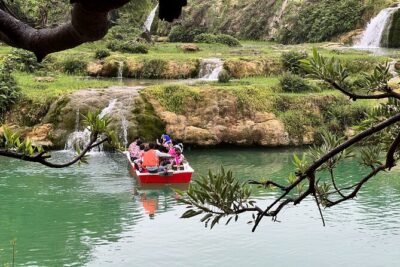
East Salalah Mountain Safari, Wadi Darbat, Beach, Camels, Dunes
Read our review →
Sunset Desert Safari Salalah Tour in Rub Al Khali – Empty Quarter
Read our review →
Sunset Desert Safari – Rub Al Khali – Empty Quarter
Read our review →
West Salalah Tour – Caribbean of Orient – Fazayah Beach with City
Read our review →
Salalah City Tour: Discover the Best of Oman’s Coastal Gem
Read our review →
Sunset desert safari tour in Salalah(private tour)
Read our review →
East & West Salalah Combination Tour – Darbat Waterfall, Mughsail
Read our review →Browse the lists this tour appears in