
Reviewed · EMPTY QUARTER TOURS
Empty Quarter Desert Sunset tour
Salalah’s Empty Quarter Desert Sunset tour is much more than a quick stop for sunset photos. In one long day, you move from living frankincense trees and ancient trade routes to enormous dunes where the sand seems to run forever. The final light is the main event, but the day earns its keep through the stops along the way.
I like the way this private tour combines culture and scenery instead of rushing straight to the desert. I also like the personal touch from guides such as Mohamed, Mohammed Baomar, Alawi, and Abdullah, who have helped visitors with photos, turbans, camel encounters, and flexible pacing. The main drawback is the long drive and the heat, so this is not the best pick if you want a short, easy afternoon.
Key points at a glance
- Three very different settings: See Wadi Dawkah’s frankincense groves, the archaeological remains at Ubar, and the giant dunes of the Empty Quarter.
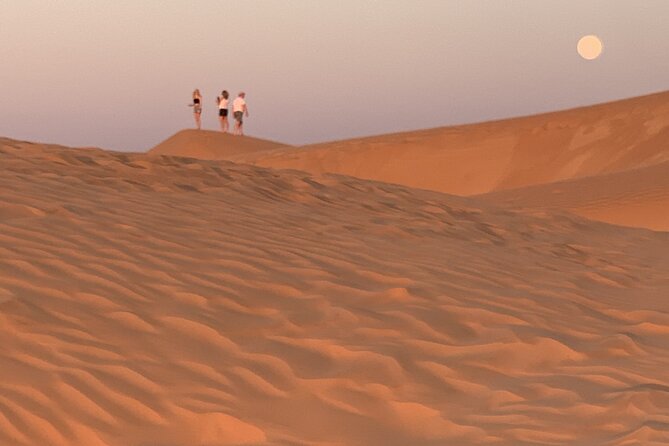
- A sunset built around the right setting: The tour finishes among dunes that can reach about 800 feet, giving you wide views and strong evening light.
- Private transport and attention: Only your group participates, and pickup is offered, which makes the eight-hour day easier to shape around your needs.
- More than a photo stop: Depending on the day, you may meet baby camels, taste camel milk, and learn how frankincense shaped local trade.
- Strong guide presence: Mohamed and members of his team are praised for safe driving, warm service, local explanations, and help with photography.
- Good value for a full day: At $152.10 per person, the price makes the most sense for people who value private service and several major sights in one outing.
Why the Empty Quarter is worth a full day from Salalah
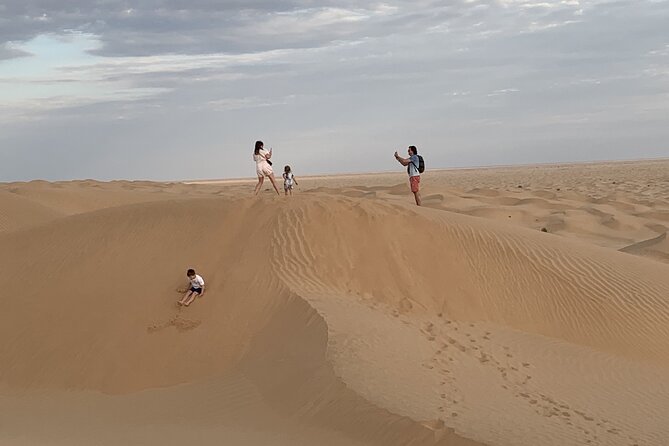
The Empty Quarter, or Rub’ al Khali, covers parts of Oman, Saudi Arabia, Yemen, and the United Arab Emirates. It is one of the world’s largest continuous sand deserts, and the portion reached from Dhofar has a feel quite different from Salalah’s green valleys and monsoon-season scenery.
The contrast is the reason to go. Salalah is known for its coconut palms, seasonal greenery, and frankincense culture. Farther north, the color drains from the scene. The road leads toward open desert, isolated trees, old trade routes, and huge orange-gold dunes.
This is an approximately eight-hour private outing. That sounds long, but the time is spread over three major stops: about two hours at Wadi Dawkah, three hours at Ubar, and three hours in the Empty Quarter. The schedule gives you room to look around rather than take a hurried photograph and climb straight back into the vehicle.
The day also works well for a private group with mixed interests. One person can focus on archaeology, another on photography, and children can enjoy the camels and 4×4 driving. Guides such as Mohamed Baomar have also made turbans for photographs, a small but memorable touch that gives the desert pictures more character.
more empty quarter runs
- Sunset Desert Safari Salalah Tour in Rub Al Khali – Empty Quarter
★ 5.0 · 91 reviews - Salalah: Sunset Desert Safari – Rub Al Khali – Empty Quarter
★ 4.6 · 79 reviews - Desert Safari, Sunset & Sand Bashing (Rub Al Khali Desert)
★ 5.0 · 44 reviews
Wadi Dawkah and the frankincense trees
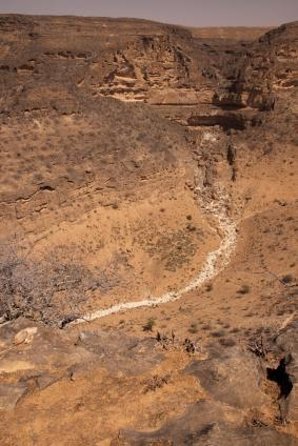
Wadi Dawkah is the first major stop and one of the most meaningful. It forms part of the Land of Frankincense UNESCO World Heritage property, a group of places tied to the production and trade of frankincense in southern Oman.
The trees here are Boswellia sacra, the species associated with the famous resin. They look modest rather than grand. Their trunks twist and spread low across the dry ground, and their shape reflects the hard conditions in which they grow. That is part of the lesson. Frankincense did not come from a lush forest filled with towering trees. It came from hardy plants suited to a dry, rocky region.
Your guide can explain how frankincense was collected and why the resin mattered. It has been used in religious ceremonies, perfume, traditional medicine, and trade for centuries. At Wadi Dawkah, the subject feels less abstract because you are looking at the trees themselves.
The planned time here is about two hours, which is generous for a grove. You can walk among the trees, take close photographs, and listen to the local story without feeling pushed along. The site is protected, so think of it as a reserve rather than a landscaped park with cafés and entertainment.
That distinction matters. If you expect a polished attraction with many facilities, Wadi Dawkah may feel spare. Its appeal is the quiet setting and the connection between plant, place, and commerce. Wear shoes suitable for uneven ground, and bring sun protection because shade may be limited.
Ubar, the desert city linked to frankincense trade
The next stop is Ubar, an archaeological site associated with the legendary city mentioned in ancient texts. The remains include traces of buildings, walls, and wells, suggesting a settlement tied to the old frankincense routes.
Ubar is interesting because it connects the natural and human parts of the day. At Wadi Dawkah, you see where frankincense came from. At Ubar, you consider where the product went and the people who moved it across the desert.
The exact identity and story of Ubar have long inspired debate, so it is best to approach the site with curiosity rather than expect a fully preserved city. What you see is not a grand ruin field like Petra or Ephesus. The remains can be subtle, and the wide surroundings may make the site feel empty at first.
That is where your guide adds real value. Mohamed and his team have been praised for explaining the locations instead of acting only as drivers. At Ubar, ask about the wells, the trade routes, and the evidence used to connect the site with the legendary city. Those details help you read the ground.
The visit is planned for about three hours. For an archaeology enthusiast, that gives welcome time to inspect the remains and ask questions. For a child or anyone less interested in ancient sites, three hours can feel long. A private tour helps because you can discuss the pace with your guide rather than follow a fixed group schedule.
Ubar is also a reminder that the desert was never simply empty. It supported movement, trade, settlements, and contact between distant regions. The ruins may be quiet, but the story behind them reaches well beyond Oman.
Camels, camel milk, and a family-friendly pause
Several accounts of this outing include a visit to a camel farm or camel stop. You may see baby camels and, depending on the arrangements that day, taste fresh camel milk.
This can be one of the day’s most appealing moments for families. Children often connect with the animals faster than they connect with an archaeological explanation, and the baby camels provide a natural break before the final desert drive. It also gives you a small glimpse of everyday life in a region where camels remain closely tied to local culture.
The camel milk tasting is not a formal meal or a large food program. Treat it as a local experience offered along the route. If you have dietary concerns or simply do not want to try it, you are not required to make it the focus of your day.
Because the camel stop appears as part of the experience described by several people who took the tour, it is worth confirming its place when you book. The published route highlights Wadi Dawkah, Ubar, and the Empty Quarter, while camel visits can depend on the day and the exact plan arranged with your guide.
more half-days around Salalah worth comparing
- Sunset desert safari tour in Salalah(private tour)
★ 5.0 · 58 reviews - Magical Night Stay in Rub Al Khali Empty Quarter Desert Salalah
★ 5.0 · 35 reviews - Salalah: Sunset desert safari tour in salalah(private tour)
★ 4.9 · 21 reviews - Desert Sunset Magic – Salalah Empty Quarter Experience
★ 5.0 · 19 reviews
Entering the Empty Quarter by 4×4
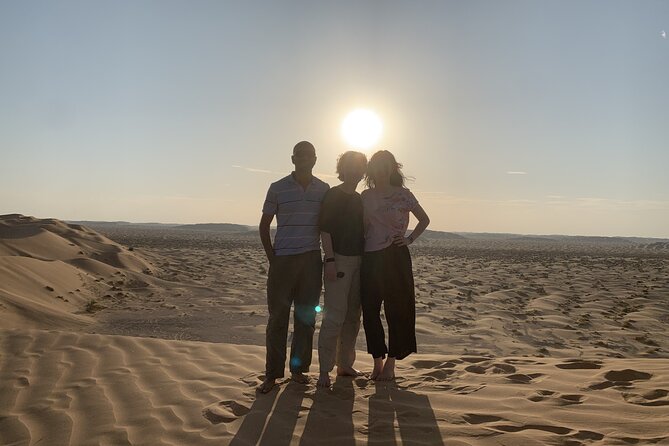
The final section is the reason many people choose this tour. The Empty Quarter near Dhofar is a broad sweep of shifting sand, with dunes that can rise as high as 800 feet, or about 240 meters.
A 4×4 vehicle takes you into the dunes. This is not just a drive beside the desert with a distant photo stop. The sand becomes the setting, and the vehicle gives you access to higher points where the view opens in every direction.
Dune driving adds a little motion and fun to the day. It can also be bumpy, so tell your guide if someone in your group needs a gentler ride. The private format helps here. Mohamed and his team have been praised for safe, careful driving, and you can communicate directly about comfort and pace.
The scale is the real surprise. In a city, your eye tends to stop at buildings, trees, or hills. In the Empty Quarter, a dune rises, falls, and gives way to another. Wind redraws the sand, and the low sun turns the ridges from pale gold to orange, bronze, and shadow.
You will want time for photographs, but do not spend the whole stop looking through your phone. Walk a short distance, turn around, and notice how quickly the tracks and footprints soften into the surrounding sand. The desert is at its best when you give yourself a few quiet minutes.
Bring a charged phone or camera, but do not expect every photograph to be perfect. Wind, glare, dust, and a moving vehicle can make photography tricky. A guide who knows where to stop and who is willing to help with poses or turbans can make a difference, especially if you are traveling with children or want a group portrait.
Sunset timing and the best part of the day
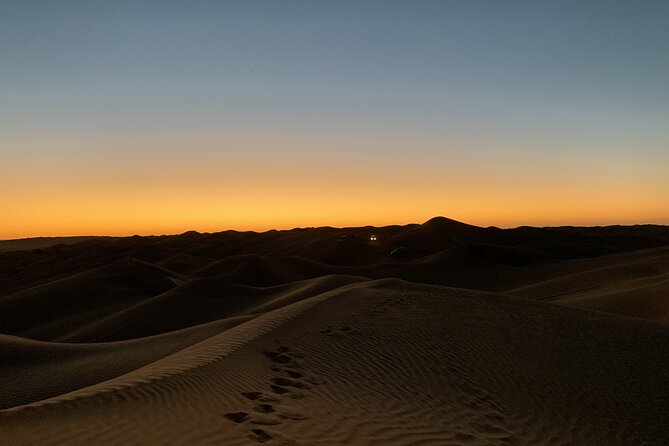
The tour is built around sunset, but the exact timing depends on the season, the starting point, and local conditions. Your guide will need to manage the earlier stops so you reach the dunes with enough time to settle in before the light fades.
Sunset in the Empty Quarter is not a single instant. The colors change for several minutes before the sun drops and continue shifting afterward. The highest dune may catch the last light while the lower sand turns cool and gray.
This is also when the tour feels most distinct from a standard desert drive. You are not simply checking off a famous place. You are watching the day close over a setting that has very few visual distractions.
Some people also enjoy staying long enough to see stars after sunset. That possibility appears in the experience people describe, but the length of the stop and the exact return timing should be confirmed with the operator. Do not assume a full stargazing program is included.
How the private format affects the experience
This is a private activity, so only your group participates. That matters on an eight-hour day. You do not have to wait for a large coach to load, and the guide can respond to your group’s interests.
Private touring also makes family travel easier. One child may want more time with camels, while a parent may prefer to linger at Ubar. You can ask Mohamed, Alawi, Abdullah, Mohammed Baomar, or the assigned guide about adjusting the pace within the day’s practical limits.
Pickup is offered, and the experience is provided with a mobile ticket. Some people have had hotel pickup arrive on time, but you should still confirm the pickup details before the day begins.
The vehicle is important because much of the tour involves road travel between Salalah and the desert. An air-conditioned car has been used for parts of the experience, followed by 4×4 driving in the dunes. Exact vehicle arrangements may vary, so ask if your group has specific comfort needs.
Is $152.10 per person good value?
At $152.10 per person, this is not a bargain-priced short excursion. It is an eight-hour private day that combines transport, a guide, several major stops, desert driving, and sunset time. The value improves when two or more people share the private experience, especially if you prefer not to join a large group.
I would compare it with the cost of arranging separate transport to Wadi Dawkah, Ubar, and the Empty Quarter. You would also need a driver familiar with the route and the dunes. When you count those pieces, the price is easier to understand.
The strongest value comes from the guide. A driver who simply drops you at each place would leave much of the day unexplained. Guides such as Mohamed Baomar have been praised for local stories, flexibility, photography help, and attention to families. Those personal details turn a long drive into a more complete cultural outing.
Still, check what matters to you before paying. The supplied details do not specify a meal, drinks, or a separate admission charge. The three main stops list free admission, but you should confirm any optional camel or refreshment arrangements directly.
The tour is often reserved about 18 days ahead, which suggests that planning early is sensible during busy periods. Since the experience depends on good weather, leave room in your schedule if possible.
Who should book this Salalah desert tour?
I would recommend it to you if you want one full day that joins Oman’s frankincense story with a major natural setting. It suits couples who want dramatic photographs, families who like animals and 4×4 rides, and first-time visitors who would rather cover several related sights with one guide.
It is also a good fit if you value privacy. You can ask questions, adjust the pace, and spend more time at the places that interest you. People who have already visited Wahiba Sands may find the Empty Quarter especially worthwhile because its dunes offer a different scale and a more remote feel.
I would hesitate if you dislike long drives, hot open spaces, uneven ground, or extended time in a vehicle. The tour is active without being a hiking trip, but the day is still demanding. Ubar may test the patience of anyone who has little interest in archaeology, while the desert drive may be too rough for some passengers.
Most people can participate, and the activity is private, but the supplied details do not give specific accessibility information. If you need special vehicle access or assistance on uneven ground, ask before booking.
Booking, cancellation, and weather notes
You receive confirmation when you book, and the mobile ticket is useful for keeping the reservation on your phone. Pickup is available, but confirm the meeting point and departure time with Salalah Premium Tours.
You can cancel up to 24 hours before the start time for a full refund. Cancellations or changes made less than 24 hours before the start are not accepted for a refund, and the cut-off follows local time.
The tour requires good weather. If poor weather causes cancellation, you can choose another date or receive a full refund. This policy is worth noting because the sunset is central to the experience, and desert conditions can affect both comfort and safety.
Final verdict: should you book it?
Book this tour if you want the Empty Quarter to be part of a wider story about southern Oman, not just a quick sunset photo. Wadi Dawkah gives you the frankincense connection, Ubar adds archaeology, camel encounters add a human and family-friendly touch, and the dunes provide the dramatic finish.
The price is easiest to justify for a private group that values a dedicated guide. Choose it with realistic expectations: this is a long day, the archaeological remains are understated, and the desert ride may be bumpy. For the right group, the combination of local guidance, open dunes, and sunset makes this one of Salalah’s stronger full-day excursions.
FAQ
How long does the Empty Quarter Desert Sunset tour last?
The tour lasts approximately eight hours. The schedule includes about two hours at Wadi Dawkah, three hours at Ubar, and three hours in the Empty Quarter.
Where does the tour take place?
The experience starts in the Salalah area and visits Wadi Dawkah, the Ubar Archaeological Site, and the Empty Quarter dunes in Oman.
Is hotel pickup available?
Yes, pickup is offered. Confirm the exact pickup point and time with Salalah Premium Tours before the tour.
Is this a private tour?
Yes. Only your group participates in the activity.
How much does the tour cost?
The listed price is $152.10 per person.
Can most people participate?
Yes, most people can participate. Specific accessibility details are not provided, so contact the operator if you need particular assistance.
What happens if the weather is poor?
The experience requires good weather. If it is canceled because of poor weather, you can choose another date or receive a full refund.
Newest Salalah trips on the site
- Salalah: Wadi Darbat, ,Teeq Cave – Baobou Trees Tour★ 4.3 · 3 reviews
- Salalah East Adventure: Waterfalls, Mountain & Safari★ 5.0 · 3 reviews
- Salalah: Horse Riding by the Beach★ 4.4 · 3 reviews
- Elite Private Full Day Tour – Salalah Main Attractions★ 5.0 · 3 reviews
- Salalah City Tour :Salalah Tours★ 5.0 · 3 reviews
- East Salalah Adventure: Nature, History, and Scenic Views★ 5.0 · 3 reviews
- West Coast Mountains and Beaches (Fazayah beach + Shaat cliff)★ 5.0 · 3 reviews
- Half day Salalah City Tour with Souq Visit★ 5.0 · 3 reviews
Empty Quarter Tours, compared.
Sunset Desert Safari Salalah Tour in Rub Al Khali – Empty Quarter
Read our review →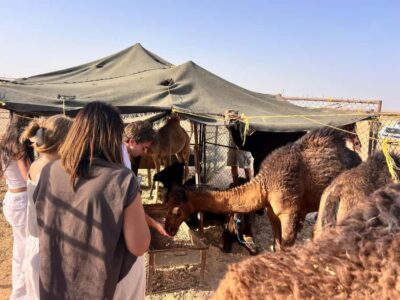
Sunset Desert Safari – Rub Al Khali – Empty Quarter
Read our review →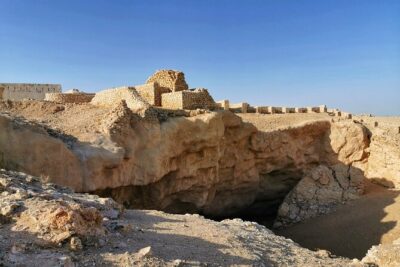
Desert Safari, Sunset & Sand Bashing (Rub Al Khali Desert)
Read our review →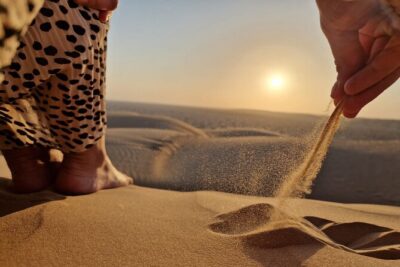
Magical Night Stay in Rub Al Khali Empty Quarter Desert Salalah
Read our review →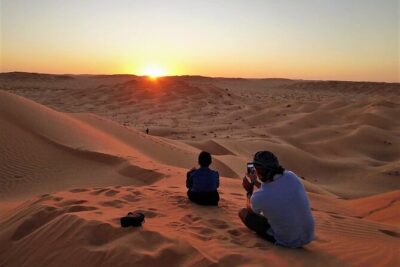
Desert Sunset Magic – Salalah Empty Quarter Experience
Read our review →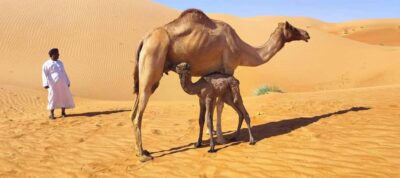
Magical Desert Safari By Land Cruise in Empty Quarter
Read our review →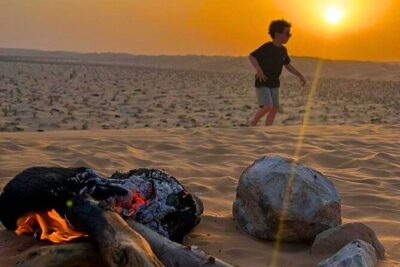
Private Sunset Experience in Empty Quarter Desert
Read our review →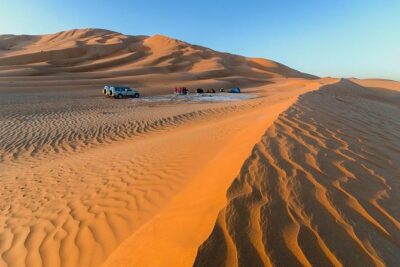
Browse the lists this tour appears in