
Reviewed · SALALAH TOURS
Jebel Safari – Tour della montagna
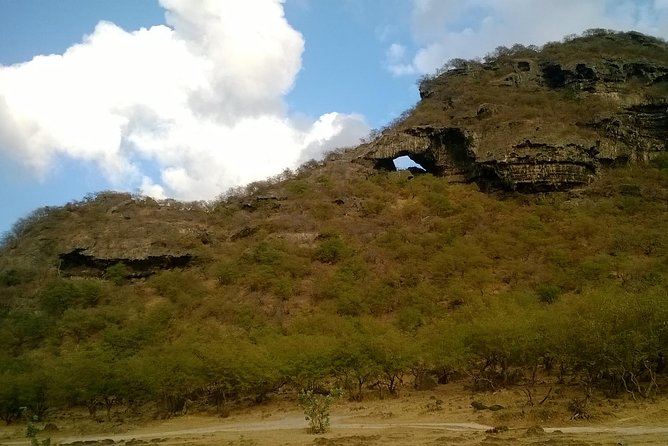
Salalah’s best day trips mix ancient ports and mountain scenery, and this one covers both without making you choose. You begin at Taqa and Khor Rori, then climb toward Jebel Samhan for sinkholes, desert roses, dragon blood trees, and views near the Arabian leopard reserve.
I like the range of the day: the old governor’s house gives you a look at everyday Omani architecture, while Sumhurram connects the coast to the old Indian Ocean spice trade. I also like the private format for up to four people, though eight hours of driving and sightseeing makes this a full day, not a relaxed half-day outing.
Key points to know before booking
- Taqa and Khor Rori open the day with culture and coastal scenery, before the road turns into the mountains.
- Sumhurram is an important archaeological stop, linked to the Hadramout kingdom and the spice trade across the Indian Ocean.
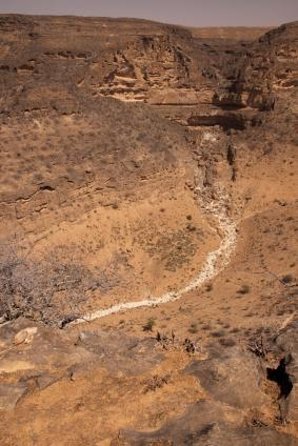
- Tawi Ateer and Teeq Cave bring the day into dramatic mountain country, with sinkholes, desert roses, and dragon blood trees.
- An easy trek and Arabic-style picnic lunch make the mountain section active without turning it into a hard hike.
- Wadi Hinna’s baobab forest and Mirbat’s dhow boats provide a quieter finish after the high viewpoints.
- The $502.57 price covers a private group of up to four, so the value improves when you fill the vehicle.
Why this Jebel Safari covers so much
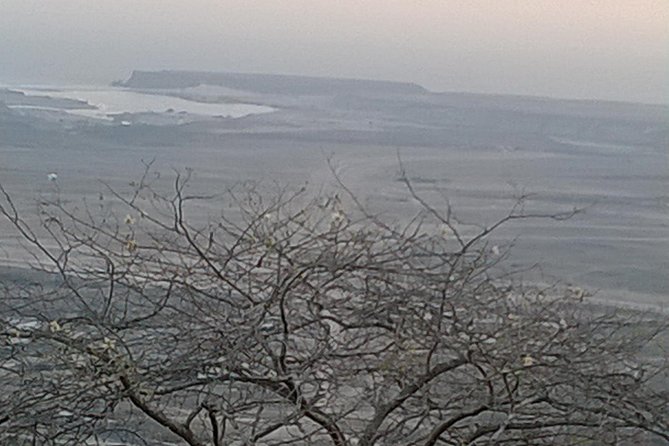
This is not a single-viewpoint excursion. It is a broad tour of the Dhofar region, moving from an old coastal settlement to a UNESCO archaeological site, then into the high mountains and back down through a baobab-growing valley.
That variety is the main reason to choose it. In one day, you see several sides of Oman: traditional domestic architecture, a former trading port, unusual geology, dry mountain vegetation, a nature reserve, and a fishing town still tied to Indian Ocean boat traditions.
The trade-off is simple. You will spend a good part of the day in the vehicle. The reward is that each section feels different, so the driving connects a series of meaningful stops rather than taking you to one viewpoint and back.
The tour is private, and only your group takes part. That gives you more breathing room than a large coach trip, especially if you want to pause at a viewpoint or ask questions along the way. Guide Salim is named as the guide for this mountain outing, while Geraldina handles arrangements and can be contacted in Italian.
more half-days around Salalah worth comparing
- East Salalah Mountain Safari, Wadi Darbat, Beach, Camels, Dunes
★ 5.0 · 206 reviews - Mountain Safari Private Tour
★ 5.0 · 105 reviews - Sunset Desert Safari Salalah Tour in Rub Al Khali – Empty Quarter
★ 5.0 · 91 reviews
Taqa’s old house and the first look at Omani life
The morning begins in the village of Taqa, where you visit the old house of the city’s governor. The value here is not just the age of the building. You get to see the interior of a traditional Omani home, which adds human scale to a day otherwise filled with grand views and open country.
A historic house can tell you things a mountain overlook cannot. Rooms, layout, and domestic details help you picture how local authority and family life once worked in Dhofar. This is a good early stop because it gives the day a cultural base before the tour shifts toward ruins and geology.
Do not expect a long museum visit based on the information provided. The house is one part of a packed route, so the stop works best as a concise introduction to Taqa rather than a detailed architectural study.
Khor Rori and Sumhurram’s old trading route
From Taqa, the tour continues to the lagoon of Khor Rori and the archaeological site of Sumhurram. The lagoon gives you a change of pace after the village, with water and open coastal views before you focus on the ruins.
Sumhurram was a port built by the kingdom of Hadramout to control the spice trade across the Indian Ocean. That fact gives the site real purpose. You are not looking at an isolated pile of stones. You are seeing the remains of a place tied to shipping, commerce, and the movement of goods between Arabia and the wider Indian Ocean world.
The site is identified as a UNESCO site, which makes it one of the day’s major cultural stops. I would pay attention to the setting as much as the remains themselves. The relationship between the port, lagoon, and coast helps explain why this location mattered.
This part of the route suits you if you want more than mountain scenery. It also gives photographers a useful contrast: water and ruins below, rugged high country ahead.
Tawi Ateer, Teeq Cave, and the mountain road
After the coastal stops, the route climbs toward the highest mountain area in the region. The road brings a clear shift in mood. The air, views, and plant life change as you move away from the coast and into the Jebel Samhan area.
The itinerary includes Teeq Cave and the Tawi Ateer sinkhole, also called the bird’s well. Tawi Ateer is one of the most unusual sights of the day, and the second large sinkhole mentioned on the route adds scale to the stop.
You can expect to see desert rose plants and dragon blood trees around the mountain country. These details matter because they make the scenery distinct from a standard rocky mountain drive. The trees and plants give the viewpoints something to study, not just something to photograph.
The exact walking distance is not stated, but the excursion is described as an easy trek. That makes it a reasonable choice if you want to walk a little without signing up for a demanding hike. Still, you should be prepared for uneven outdoor ground and a day that keeps moving from one site to the next.
Teeq Cave is included in the stop description, though no cave access details are provided. I would treat it as part of the mountain sightseeing program rather than assume a long underground visit.
A completely different sort of day from Salalah:
- Salalah: Wadi Darbat, Jabal Samhan, Baobab, Mirbat Sand Dune
★ 4.6 · 178 reviews - Salalah: Sunset Desert Safari – Rub Al Khali – Empty Quarter
★ 4.6 · 79 reviews - West Salalah Tour – Caribbean of Orient – Fazayah Beach with City
★ 5.0 · 74 reviews - Salalah City Tour: Discover the Best of Oman’s Coastal Gem
★ 4.8 · 58 reviews
The highest viewpoint and Arabian leopard reserve
The tour reaches its highest panoramic point near the beginning of the national reserve for the Arabian leopard. This is likely the most dramatic view of the day, but the value goes beyond the photo.
The reserve reference adds context to the mountain country. You are looking at habitat connected with one of Arabia’s rarest animals, even though the tour information does not promise a leopard sighting. Keep your expectations practical: this is a panoramic and nature stop, not a wildlife safari with guaranteed animals.
The mountain views are also where the private format can help. A group of up to four can take in the scenery at its own pace within the available schedule. The guide may also add stops when time allows, as Salim did on one reported outing, so the day can have a little flexibility rather than feeling like a rigid checklist.
Picnic lunch with an Arabic touch
Lunch is served at the highest panoramic area as a picnic. One description of the outing notes an Arabic-style lunch, which fits the setting far better than stopping at a generic restaurant would.
I like this arrangement because it keeps the day outdoors and reduces the need to descend from the mountain simply to eat. You can use the meal as a pause between the climb and the drive down through Wadi Hinna.
The details of the menu are not specified, so you should not book expecting a particular dish. The important point is that lunch is built into the mountain portion of the day, and the picnic setting is part of the experience.
With eight hours on the road, bring water and any personal snacks you may need. That is sensible preparation for any long mountain outing, even when lunch is provided.
Wadi Hinna and its baobab forest
The route descends through Wadi Hinna, where you stop to see a forest of baobab trees. This is one of the day’s more distinctive natural sights.
Baobabs give the valley a different character from the sinkholes and high ridges. Their unusual trunks and shape make this stop worthwhile even if you have already taken plenty of mountain photographs. It also breaks up the return drive with another clear point of interest.
The tour information does not promise a long walk through the forest. Expect a sightseeing stop rather than a full botanical tour. You might find that the baobabs are especially appealing after the exposed high-country views because the valley feels like a new chapter in the route.
Mirbat, dhows, and the Indian Ocean connection
Before returning to Salalah, you reach Mirbat. Fishermen still sail from here in traditional Indian Ocean boats called dhows.
Mirbat is a fitting final stop because it brings the tour back to the coast and reconnects the day with maritime life. Earlier, Sumhurram showed you the commercial side of the Indian Ocean trade. In Mirbat, the focus shifts to boats and fishing traditions that remain visible in the town.
The route therefore forms a useful arc: Taqa introduces local homes, Sumhurram introduces trade, the Jebel section shows the mountains and protected habitat, and Mirbat brings you back to the sea.
As with the other stops, the information does not specify how long you stay in Mirbat or guarantee access to a particular boat. The dhow sight is best understood as a chance to see the town’s working maritime character, not a scheduled boat ride.
What the $502.57 group price really means
The listed cost is $502.57 per group of up to four people. That works out to about $125.64 each if four people share the vehicle, before considering any personal extras.
For a private eight-hour tour with pickup offered, that can be fair value for a small group that wants a full route without joining strangers. The price is harder to justify for one person or a couple, since the same group rate is spread across fewer people.
The route includes many separate sights, a private setup, a guide, and a picnic lunch. You are paying for the day’s transport and access to a wide area as much as for any single attraction. If your priority is seeing several Dhofar highlights in one outing, the cost makes more sense than booking a short scenic transfer.
You should also compare this with your energy level. An eight-hour day is efficient, but it is not leisurely. If you prefer long stays at one archaeological site or a slow lunch, this route may feel too packed.
Who will get the most from this outing
I would choose this tour if you want a broad introduction to the area around Salalah and have only one open day. It suits people who enjoy changing scenery, short walks, cultural sites, and viewpoints more than those who want a single focused activity.
It is also a good match for a family or group of friends who can share the private vehicle. The easy trek makes the walking portion more approachable than a serious mountain hike, and the route has enough variety to keep the day from becoming repetitive.
History fans will value Taqa and Sumhurram. Nature-focused visitors will likely prefer Tawi Ateer, the dragon blood trees, the Arabian leopard reserve area, and Wadi Hinna’s baobabs. If you care most about boats and coastal life, Mirbat gives the day a strong finish.
The main caution is the pace. You move from village to lagoon, ruins, mountains, a sinkhole, a viewpoint, a wadi, and a coastal town in roughly eight hours. This is a sightseeing circuit, not a retreat.
Practical details that affect your decision
Pickup is offered, and confirmation is received at booking. The experience uses a mobile ticket, which is useful when you are already moving between several stops.
The tour is private, with only your group participating, and the maximum group size is four. Service animals are allowed, and the supplied information says most people can take part.
The cancellation terms are generous if your plans may shift: you can cancel for a full refund up to 24 hours before the start time. Cancellations or changes made less than 24 hours before the local start time are not accepted for a refund.
The tour provider is DhoIT, also called Dhofar International Tourism. If communicating in Italian matters to you, Geraldina is identified as a contact for arrangements. Salim is the guide associated with the mountain excursion.
Should you book the Jebel Safari?
Book it if you want one private day that joins Dhofar’s coast, ruins, mountains, sinkholes, trees, and fishing traditions. The combination is the strongest reason to go, and the easy trek plus picnic lunch keeps the outdoor section manageable.
I would skip it if you want a slow archaeological visit, a dedicated wildlife search, or a short outing with little time in the vehicle. The Arabian leopard reserve area does not mean a leopard sighting, and the cave and dhow portions should not be treated as long guided visits unless confirmed before booking.
For four people, the price is easier to defend. For a smaller group, decide if the convenience and wide coverage are worth paying the full private rate. If they are, this is a useful, well-packed way to see far more of Dhofar than Salalah’s immediate surroundings.
FAQ
Where does the Jebel Safari take place?
The tour is based in Salalah, Oman, and visits Taqa, Khor Rori, Sumhurram, the high mountain area, Wadi Hinna, and Mirbat.
How long does the tour last?
The experience lasts approximately eight hours.
How many people can join the private tour?
The price covers one private group of up to four people.
Is pickup offered?
Yes, pickup is offered.
Is lunch included?
A picnic lunch is included at the highest panoramic viewpoint. The outing is also described as including an Arabic-style lunch, but specific menu details are not provided.
Which archaeological site is visited?
You visit Sumhurram, an archaeological port connected with the kingdom of Hadramout and the Indian Ocean spice trade. It is identified as a UNESCO site.
What natural sights are included?
The route includes Teeq Cave, the Tawi Ateer sinkhole, another large sinkhole, desert rose plants, dragon blood trees, the Arabian leopard reserve area, Wadi Hinna’s baobab forest, and mountain viewpoints.
Is the walking difficult?
The outing is described as including an easy trek. The information does not give a precise walking distance or detailed terrain description.
Can I cancel for a full refund?
Yes. You can cancel at least 24 hours before the experience start time for a full refund. Cancellations or changes made less than 24 hours before the local start time are not accepted for a refund.
Newest Salalah trips on the site
- Salalah: Wadi Darbat, ,Teeq Cave – Baobou Trees Tour★ 4.3 · 3 reviews
- Salalah East Adventure: Waterfalls, Mountain & Safari★ 5.0 · 3 reviews
- Salalah: Horse Riding by the Beach★ 4.4 · 3 reviews
- Elite Private Full Day Tour – Salalah Main Attractions★ 5.0 · 3 reviews
- Salalah City Tour :Salalah Tours★ 5.0 · 3 reviews
- East Salalah Adventure: Nature, History, and Scenic Views★ 5.0 · 3 reviews
- West Coast Mountains and Beaches (Fazayah beach + Shaat cliff)★ 5.0 · 3 reviews
- Half day Salalah City Tour with Souq Visit★ 5.0 · 3 reviews
Salalah Tours, compared.
East Salalah Mountain Safari, Wadi Darbat, Beach, Camels, Dunes
Read our review →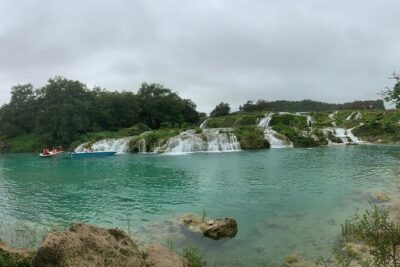
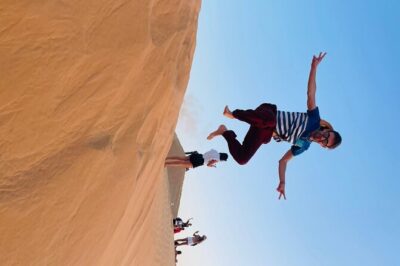
Sunset Desert Safari Salalah Tour in Rub Al Khali – Empty Quarter
Read our review →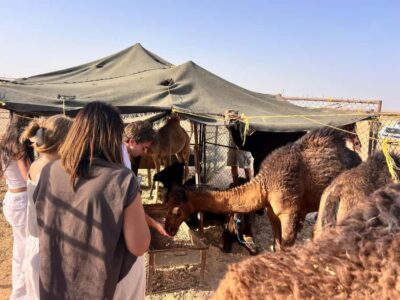
Sunset Desert Safari – Rub Al Khali – Empty Quarter
Read our review →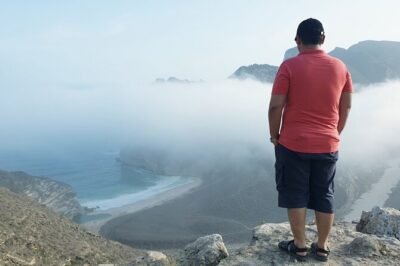
West Salalah Tour – Caribbean of Orient – Fazayah Beach with City
Read our review →
Salalah City Tour: Discover the Best of Oman’s Coastal Gem
Read our review →
Sunset desert safari tour in Salalah(private tour)
Read our review →
East & West Salalah Combination Tour – Darbat Waterfall, Mughsail
Read our review →Browse the lists this tour appears in