
Reviewed · SALALAH TOURS
Historical Salalah City Tour
Salalah’s story comes together in a compact half-day route: Sultan Qaboos Mosque, the palace of Oman’s former ruler, the frankincense souq, and the Al Baleed archaeological site. I like that the tour connects grand landmarks with ordinary local life, including fruit plantations and a coconut drink at the market. I also like the chance to ask a local guide about religion, customs, and Dhofar’s past rather than simply ticking off photo stops.
I especially value the English-speaking guides assigned to this tour. Salem, Amin, and Rashid are named in recent feedback, with particular praise for clear explanations and local knowledge. The main caution is time: the outing can feel closer to two and a half hours of sightseeing plus hotel driving, and some stops may be brief if you want a detailed museum visit.
Key points to know before booking
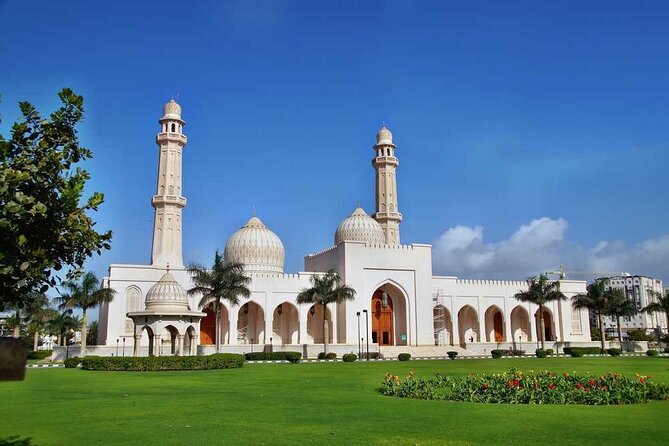
- Sultan Qaboos Mosque: Visit inside during the permitted hours, Saturday through Thursday from 8:30 to 11:00, with strict clothing rules.
- Al Baleed and the Frankincense Land Museum: See one of Dhofar’s important historic sites and learn how old and modern Oman connect.
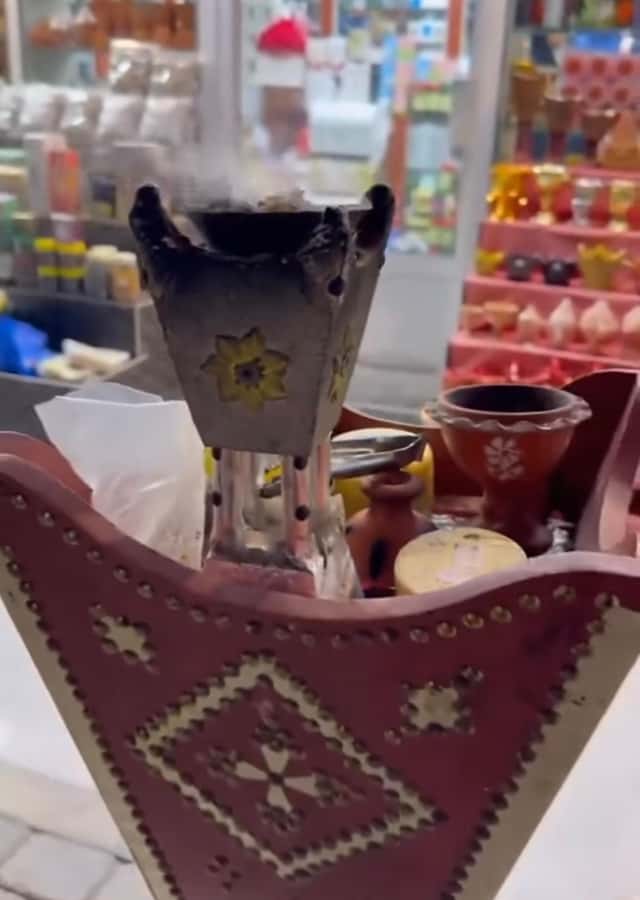
- Al Hosn Souq: Browse frankincense, handmade gifts, and local market stalls near the old palace area.
- Local guides make the difference: Salem, Amin, and Rashid are among the guides praised for clear English and useful answers.
- A taste of everyday Salalah: The route includes plantations, fruit shops, and a complimentary coconut drink.
- Good value for a first look: At $104 per person, it suits visitors who want transport, a guide, and several sights in one organized outing.
A quick introduction to Salalah’s character
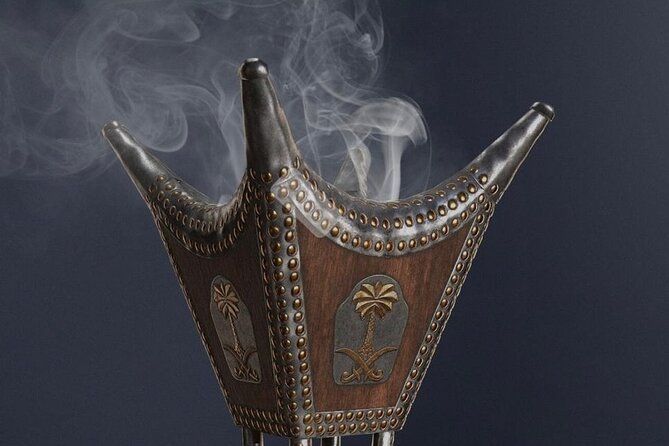
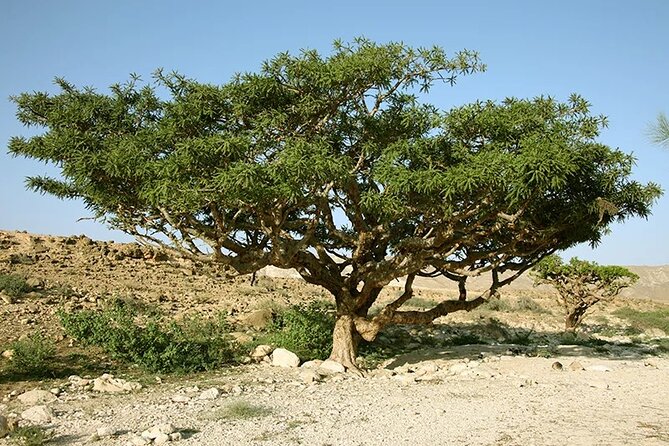
Salalah is the largest city in Dhofar, in southern Oman, and it has a different feel from the country’s better-known northern cities. Its identity is tied to frankincense, the aromatic resin that helped make southern Arabia famous for centuries.
The city tour gives you several ways to understand that identity. You see the religious life of modern Oman at Sultan Qaboos Mosque, the political center represented by the Sultan’s Palace, and the trade traditions preserved at Al Hosn Souq. The final stops shift the mood toward daily life, with fruit stalls, coconut drinks, and plantations.
This is not a full historical expedition. It is a broad introduction, useful on a first day in Salalah or during a short stay. You get a guide, a vehicle, and a planned route, but you should not expect long, detailed exploration at every stop.
More City Tours in Salalah
- West Salalah Tour – Caribbean of Orient – Fazayah Beach with City
★ 5.0 · 74 reviews - Salalah City Tour: Discover the Best of Oman’s Coastal Gem
★ 4.8 · 58 reviews - Salalah City Tour with History, Culture, Souq Shopping, Halwa
★ 4.5 · 39 reviews
Starting at Sultan Qaboos Mosque
The mosque is usually the most structured stop on the tour. It is open to visitors from Saturday through Thursday between 8:30 and 11:00, and it is closed on Fridays. That narrow visiting window matters, so check that your tour time matches the opening hours.
Dress carefully. Women need a scarf, long sleeves, and long pants. Shorts, short skirts, tight clothing, and see-through clothing are not allowed. Men also need full-covered clothing, so this is not the place for casual beachwear.
Your guide explains local traditions and the basics of Islamic prayer. One useful feature of a guided visit is that you can ask about customs that may not be obvious when you enter a mosque on your own. The stop is not only about architecture. It gives you a respectful introduction to religious life in Oman.
The available time appears to include a period of about 20 minutes on your own. That can be enough for a quiet look and photographs where permitted, but it is not a long architectural study. If the mosque is the main reason you want this tour, confirm the timing before you book.
A photo stop at the Sultan’s Palace
The route continues to the Sultan’s Palace, also known as Al Hosn Palace in the surrounding area. The palace is viewed from outside, so think of this as a photo stop rather than a palace tour.
The guide provides background on Sultan Qaboos, who was born in Salalah in 1940, as well as information about his successor and the national emblem. That context gives the building more meaning than a quick roadside photograph would have on its own.
You will not enter the palace grounds or inspect its rooms. Still, this stop helps link Salalah to Oman’s modern political story. It also breaks up the visit to religious and commercial sites with a look at the city’s royal presence.
Frankincense and gifts at Al Hosn Souq
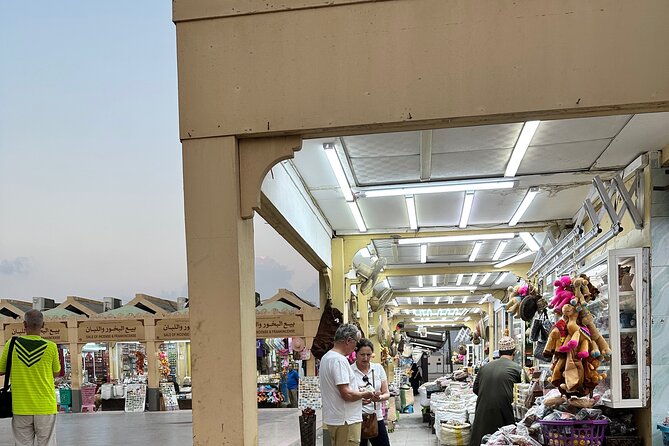
Al Hosn Souq, also called Haffa Souq in the tour information, is one of the most appealing stops for shoppers and curious browsers. It is described as the oldest local market for frankincense and handmade gifts, making it a natural place to learn about the product that shaped Dhofar’s trade.
Frankincense comes in different grades and forms, and the souq gives you a chance to see it sold as a local product rather than as a vague symbol on a souvenir shelf. You may also find handmade gifts and other traditional items. The guide can explain what you are looking at and help put the market into local context.
A tea stop is included in the souq portion of the route. You get some free time to look around, though the amount of time may be limited. One account describes about 15 minutes of independent browsing, so plan your shopping quickly if you already know you want frankincense to take home.
This is a market visit, not a formal shopping demonstration. Prices, product quality, and sales conversations can vary. Ask questions, compare items, and do not feel obliged to buy simply because you accept tea or spend time at a stall.
more forts and old quarters near Salalah
- Historical Salalah City Tour with Culture, Food & Shopping
★ 4.6 · 20 reviews - East Salalah Highlights: Half-Day Heritage & Scenic Countryside
★ 5.0 · 13 reviews - Historical Salalah City Tour
★ 5.0 · 4 reviews - East Salalah Adventure: Nature, History, and Scenic Views
★ 5.0 · 3 reviews
Understanding Dhofar at Al Baleed
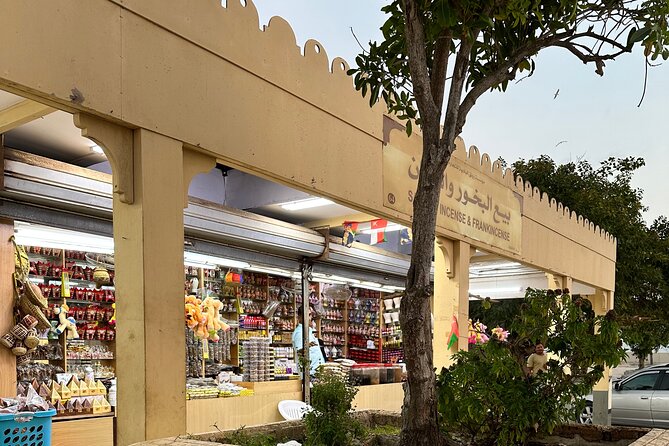
The Al Baleed archaeological site and the Museum of the Land of Frankincense provide the strongest historical part of the outing. Al Baleed is a UNESCO World Heritage site, and the museum explains the role of frankincense in Oman’s past.
The visit is valuable because it moves beyond Salalah’s modern streets. You learn about the development of Oman and the difference between older and modern Oman, with frankincense acting as the connecting thread. The site also helps explain why Dhofar matters within the wider history of Arabia and Indian Ocean trade.
The museum is a place where you can read displays and look at exhibits at your own speed. The guide is meant to add explanation and answer questions, but the amount of guided discussion may depend on the person leading your group and the time available.
The listed route places the museum near the end, while the broader description also places Al Baleed before the souq. That suggests the order can change. The important point is that Al Baleed and the museum are included, but you should allow for the possibility that the sequence will not match the exact order you imagined.
One practical warning: the whole excursion may feel short once hotel pickup and return driving are counted. A recent account described around one hour in total for the hotel transfers, with roughly two and a half hours at the stops. If you want to spend a long time reading every display, this may feel rushed.
Fruit plantations and a coconut drink
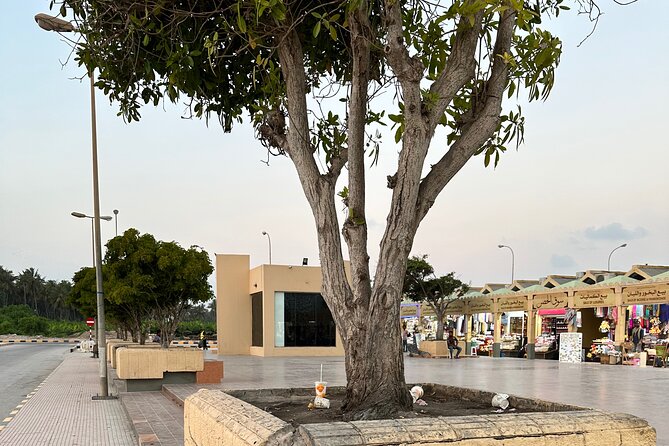
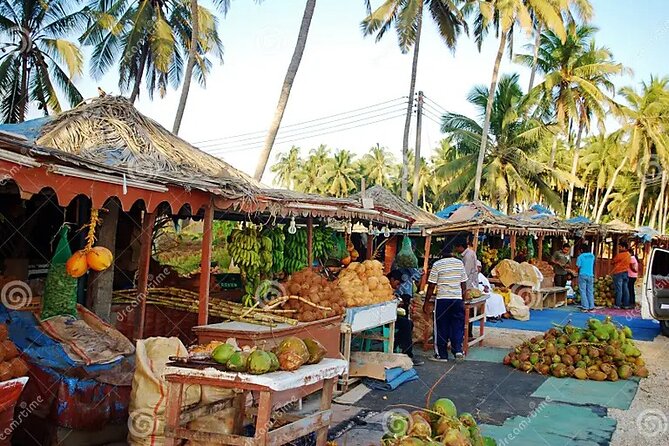
The final part of the tour brings you closer to Salalah’s food-growing side. You drive through fruit plantations and may pass areas such as Ain Razat, along with fruit shops and local market stalls.
This is a useful counterpoint to the mosque, palace, and museum. Salalah is not only a historic trading center or a royal city. The plantations show a more practical side of Dhofar and give you a look at the produce associated with the area.
The tour includes a free coconut drink at the Salalah Fruit Market. It is a small touch, but it gives the route an easy, local finish. You are not just looking at souvenirs and historic buildings. You get to try something connected to the region’s produce.
The description also mentions Al Haffa Beach and Al Nahdhah Tower among the places passed during the drive. These may be viewing points from the vehicle rather than extended stops, so do not assume you will have time to explore each one on foot.
The guide can make this tour much better
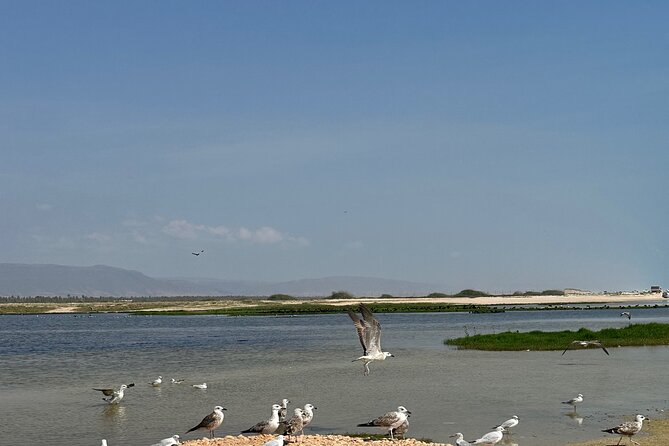
The strongest part of this experience is likely to be the guide. The tour is conducted in English, and the guide is expected to explain religion, local traditions, Salalah’s past, and the difference between old and modern Oman.
Guides named in recent feedback include Salem, Amin, and Rashid. Amin is from Salalah and is described as having particularly strong local knowledge. Salem is praised for being prepared and courteous, while Rashid is noted for answering questions throughout the day.
That does not mean you are guaranteed one of these three guides. Assignments can change. It does mean the experience can offer more than a driver pointing out buildings, especially if you ask questions and make clear what interests you.
There is one important distinction to keep in mind. Some people want a guide who talks at every stop and leads them through each display. Others prefer short explanations followed by free time. This tour appears to lean toward a mix of guided information and independent browsing, and the balance may vary.
Vehicles, timing, and comfort
The tour uses newer vehicle models with comfort options. That matters in Dhofar, where you may spend a fair amount of time driving between hotel pickup, city sights, the souq, Al Baleed, and the plantations.
It is described as a half-day tour, but the exact sightseeing time can be shorter once transport is included. The route has several stops, so you get a broad view of Salalah rather than a slow visit to one or two sites.
The itinerary may work well if you are staying in Salalah and want someone else to handle the route. It is also practical for a first orientation, since you can see the central sights before deciding where to return on your own.
If you are traveling with a packed schedule, leave some space around the tour. The mosque’s opening hours are fixed, and driving time can affect the pace. Also, the listed price is per person, so a private booking or small group may feel more worthwhile than a solo booking.
Is $104 per person good value?
At $104 per person, this is not the cheapest way to see Salalah. The value comes from the combination of an English-speaking local guide, transportation, several major sights, and the convenience of a single half-day plan.
I would consider the price reasonable for someone who wants a guided introduction and does not want to arrange each stop separately. The mosque, palace photo stop, souq, museum, plantations, and coconut drink give you a wide sample of the city and its surroundings.
The value is less convincing if you mainly want a long museum visit or a relaxed shopping trip. Some free time is built in, but the route can move quickly. You may also spend about an hour in hotel driving, depending on where you stay.
The tour receives a 4.7 rating from 22 posted ratings, with strong praise for guide courtesy, English, preparation, and local insight. One low rating raises a practical concern: the guest felt the explanations were too short, the free time was poorly managed, and the tour ended earlier than expected. I would treat that as a reminder to confirm the schedule and ask your guide for more detail at the sites that matter most to you.
Who should book this Salalah tour?
I would choose this tour if you are visiting Salalah for the first time and want a clear introduction to its religious, royal, commercial, and agricultural sides. It also suits you if you prefer having a local person explain customs rather than figuring out the context alone.
It is a good match for couples, families, and short-stay visitors who want several highlights without committing to a full-day excursion. The newer vehicles are another plus if comfort matters during transfers.
You may want a different plan if your priority is a slow archaeological visit, extended shopping, or a highly detailed museum tour. Independent visitors with plenty of time could spend longer at Al Baleed and the souq, though they would need to arrange their own transport and explanations.
Bring a scarf, long sleeves, and long pants. The mosque rules are firm, and the rest of the tour is not a reason to dress as if you were heading to the beach.
Should you book it?
Book this tour if you want a well-rounded first look at Salalah, with a local English-speaking guide and transport between the major sights. Its best moments are the mosque explanation, the frankincense market, Al Baleed, and the simple coconut stop that brings you into everyday local life.
At $104, I would book it when convenience and context matter more than having a long, leisurely visit at each stop. Before paying, confirm the pickup time, the mosque visit window, and how much time is planned at Al Baleed. That small check will help you get the kind of half-day you want.
Cancellation is available up to 24 hours before the tour for a full refund, and you can reserve now and pay later. Those terms make it easier to fit the outing around your Salalah plans.
FAQ
How long is the Historical Salalah City Tour?
It is described as a half-day tour. Sightseeing may take around two and a half hours, with hotel driving adding roughly another hour depending on the pickup and return route.
What is the price?
The price is $104 per person.
Is an English-speaking guide included?
Yes. The tour includes an experienced local English-speaking guide.
Which guides may lead the tour?
Guides named in the available tour feedback include Salem, Amin, and Rashid. The specific guide for your booking is not guaranteed in advance.
Can I enter Sultan Qaboos Mosque?
The tour includes a visit to Sultan Qaboos Mosque during its visitor hours. It is open Saturday through Thursday from 8:30 to 11:00 and closed on Fridays.
What should women wear at the mosque?
Women should bring a scarf and wear long sleeves and long pants. Full-covered clothing is required.
Are shorts and short skirts allowed?
No. Shorts, short skirts, tight clothing, and see-through clothing are not allowed.
Is the Sultan’s Palace open to tour participants?
The palace is visited from outside as a photo stop. The tour does not include entry into the palace.
What is included at the fruit market?
The tour includes a free coconut drink at the Salalah Fruit Market.
Can I cancel for a full refund?
Yes. You can cancel up to 24 hours in advance for a full refund. You can also reserve and pay later.
Newest Salalah trips on the site
- Salalah: Wadi Darbat, ,Teeq Cave – Baobou Trees Tour★ 4.3 · 3 reviews
- Salalah East Adventure: Waterfalls, Mountain & Safari★ 5.0 · 3 reviews
- Salalah: Horse Riding by the Beach★ 4.4 · 3 reviews
- Elite Private Full Day Tour – Salalah Main Attractions★ 5.0 · 3 reviews
- Salalah City Tour :Salalah Tours★ 5.0 · 3 reviews
- East Salalah Adventure: Nature, History, and Scenic Views★ 5.0 · 3 reviews
- West Coast Mountains and Beaches (Fazayah beach + Shaat cliff)★ 5.0 · 3 reviews
- Half day Salalah City Tour with Souq Visit★ 5.0 · 3 reviews
Salalah Tours, compared.
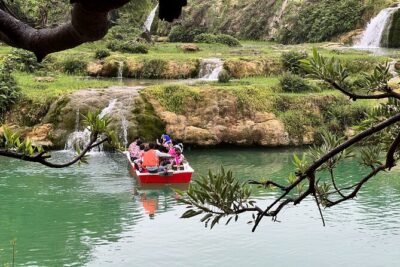
East Salalah Mountain Safari, Wadi Darbat, Beach, Camels, Dunes
Read our review →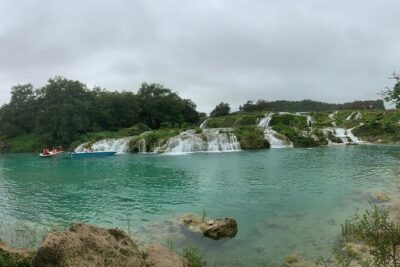
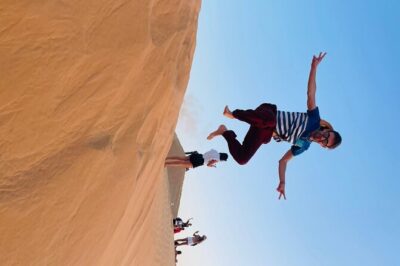
Sunset Desert Safari Salalah Tour in Rub Al Khali – Empty Quarter
Read our review →
Sunset Desert Safari – Rub Al Khali – Empty Quarter
Read our review →
West Salalah Tour – Caribbean of Orient – Fazayah Beach with City
Read our review →
Salalah City Tour: Discover the Best of Oman’s Coastal Gem
Read our review →
Sunset desert safari tour in Salalah(private tour)
Read our review →
East & West Salalah Combination Tour – Darbat Waterfall, Mughsail
Read our review →Browse the lists this tour appears in